7 Best Padel Balls UK 2026: Powerful Picks for Every Player
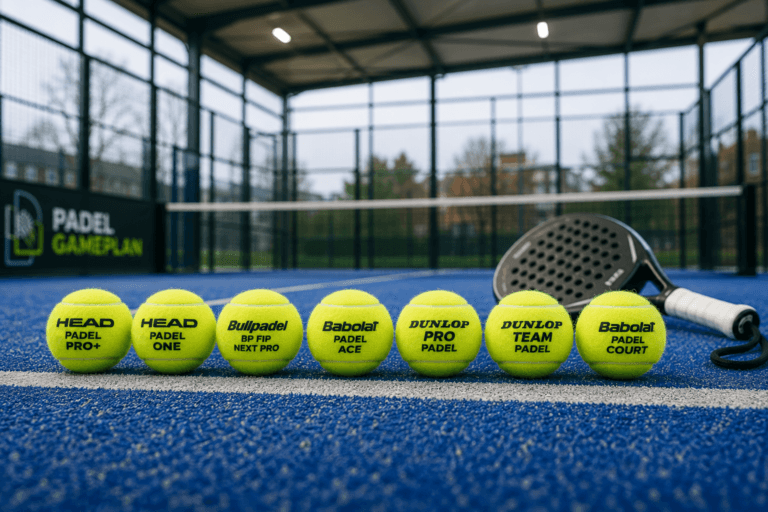
Choosing the 7 best padel balls UK 2026 players can buy depends on playing level, court type and preferred pace. HEAD Padel Pro+ is the best overall choice in this comparison for most club players, while HEAD Padel ONE is the most manageable beginner option and Dunlop Pro Padel is a practical choice for frequent club and match play.
UK conditions also matter. Indoor, covered and outdoor courts can produce different playing characteristics, while cold temperatures and damp felt can make a pressurised ball feel slower or less responsive. This guide compares beginner-friendly, value, club and faster match-oriented options available from UK retailers.
If you are building a complete setup, see the Padel Starter Kit UK guide, the best padel rackets in the UK, the best padel shoes in the UK and the guide to the best padel ball pressurizers.
Quick Answer: What Are the Best Padel Balls in the UK?
HEAD Padel Pro+ is the best overall option here for most UK club players. HEAD Padel ONE is the beginner-friendly choice, while Dunlop Pro Padel suits frequent club and match use. Players wanting a faster response can consider Bullpadel BP FIP Next Pro or Babolat Ace Padel.
Best Padel Balls UK 2026: Quick Picks
| Best For | Padel Ball | Playing Feel | Typical Price | Amazon UK |
|---|---|---|---|---|
| Best Overall | Balanced, medium-fast | £8-£10 | Check price | |
| Best for Beginners | Controlled | £6-£10 | Check price | |
| Best for Fast Rallies | Fast and lively | £10-£15 | Check price | |
| Best Fast Alternative | Fast | £8-£10 | Check price | |
| Best for Frequent Club Play | Fast, extra bounce | £5-£10 | Check price | |
| Best Value | Balanced, medium-fast | £7-£10 | Check price | |
| Best Budget Choice | Medium | £10-£15 | Check price |
How to Choose the Best Padel Balls
Playing level: Beginners often benefit from a more manageable response that supports longer rallies. Experienced players may prefer a livelier ball that rewards faster reactions.
Court type: Indoor courts normally offer steadier conditions. Outdoor courts expose the ball to temperature changes, moisture and wind.
Playing speed: A faster ball can make rebounds and rallies feel more demanding. A controlled option may be easier for coaching, drills and social sessions.
Availability and price: Prices change regularly. Compare the current cost per tube and multi-pack rather than assuming a larger pack is automatically better value.
7 Best Padel Balls UK Players Can Buy in 2026
Some product mentions may include affiliate links.
The products below are assessed from manufacturer information, intended playing level, UK availability and stated performance characteristics. No laboratory pressure-retention testing was conducted for this comparison.
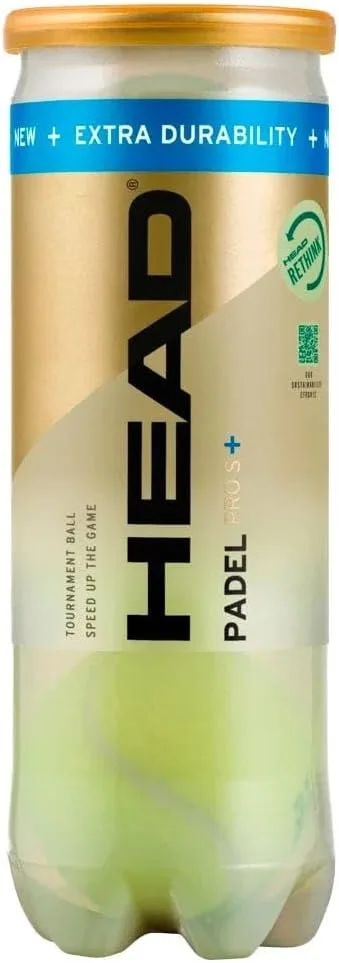
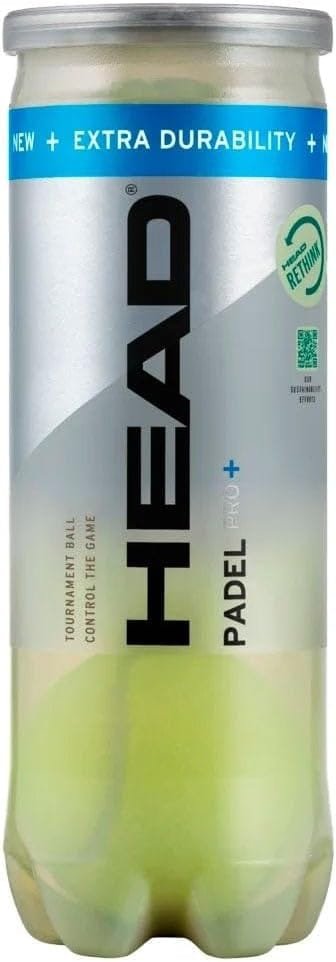
1. HEAD Padel Pro+
HEAD Padel Pro+ is a balanced all-round padel ball intended for club sessions, coaching and match play. Its responsive medium-fast feel suits improving, intermediate and experienced UK players.
| Specification | HEAD Padel Pro+ |
|---|---|
| Playing Feel | Medium-fast |
| Capacity | 3 balls |
| Best For | Club players and all-round use |
| Durability | High |
| Indicative Price | £8-£10 |
Pros
- Balanced speed and control
- Responsive bounce for club play
- Suitable for coaching and matches
- Widely available in the UK
Cons
- May feel lively for complete beginners
- Costs more than basic recreational balls
- Not the cheapest option for occasional play
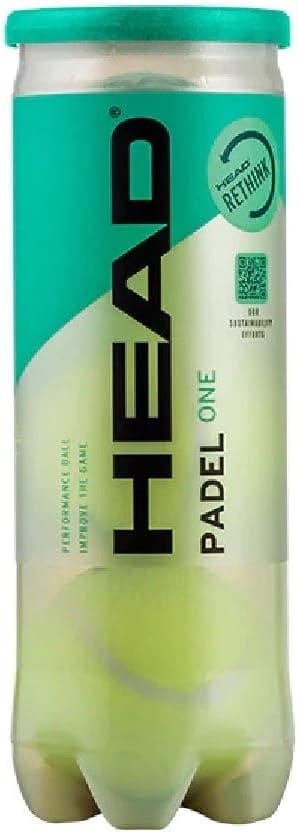
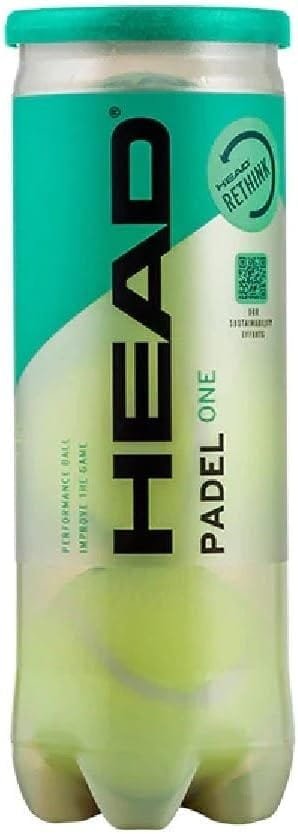
2. HEAD Padel ONE
HEAD Padel ONE is the most controlled option in this guide. Its manageable response can help newer players build consistency during coaching, training and recreational play.
| Specification | HEAD Padel ONE |
|---|---|
| Playing Feel | Controlled |
| Capacity | 3 balls |
| Best For | Beginners and improving players |
| Durability | Medium |
| Indicative Price | £6-£10 |
Pros
- Manageable pace for learning
- Supports longer beginner rallies
- Suitable for drills and coaching
- Comfortable for recreational play
Cons
- Limited speed for advanced players
- Less suited to high-intensity matches
- May feel restrained to aggressive players
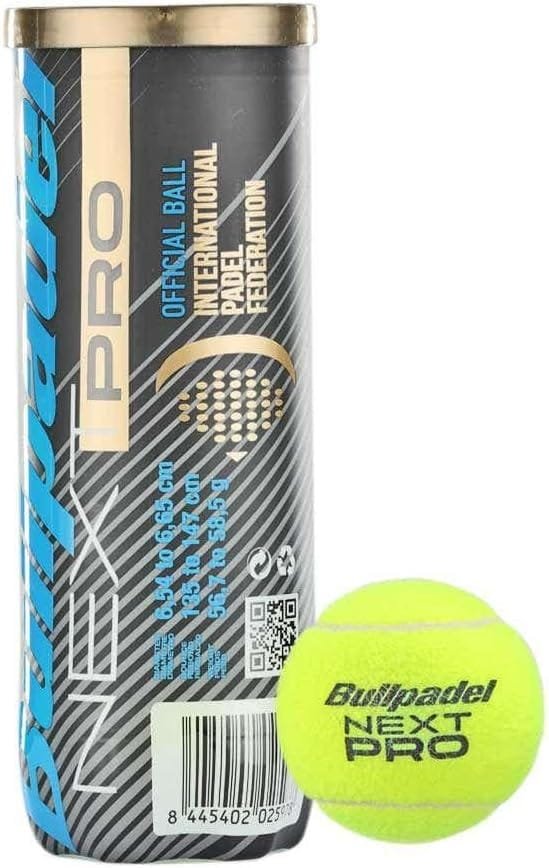
3. Bullpadel BP FIP Next Pro
Bullpadel BP FIP Next Pro is a lively performance ball for players who prefer faster rallies. It is positioned for competitive club sessions and match-style play.
| Specification | Bullpadel BP FIP Next Pro |
|---|---|
| Playing Feel | Fast and lively |
| Capacity | 3 balls |
| Best For | Players preferring faster rallies |
| Durability | Medium |
| Indicative Price | £10-£15 |
Pros
- Fast, responsive feel
- Strong initial bounce
- Suitable for competitive club sessions
- Useful for attacking players
Cons
- Can feel too quick for beginners
- Less suitable for slower social play
- Requires control at higher rally speeds
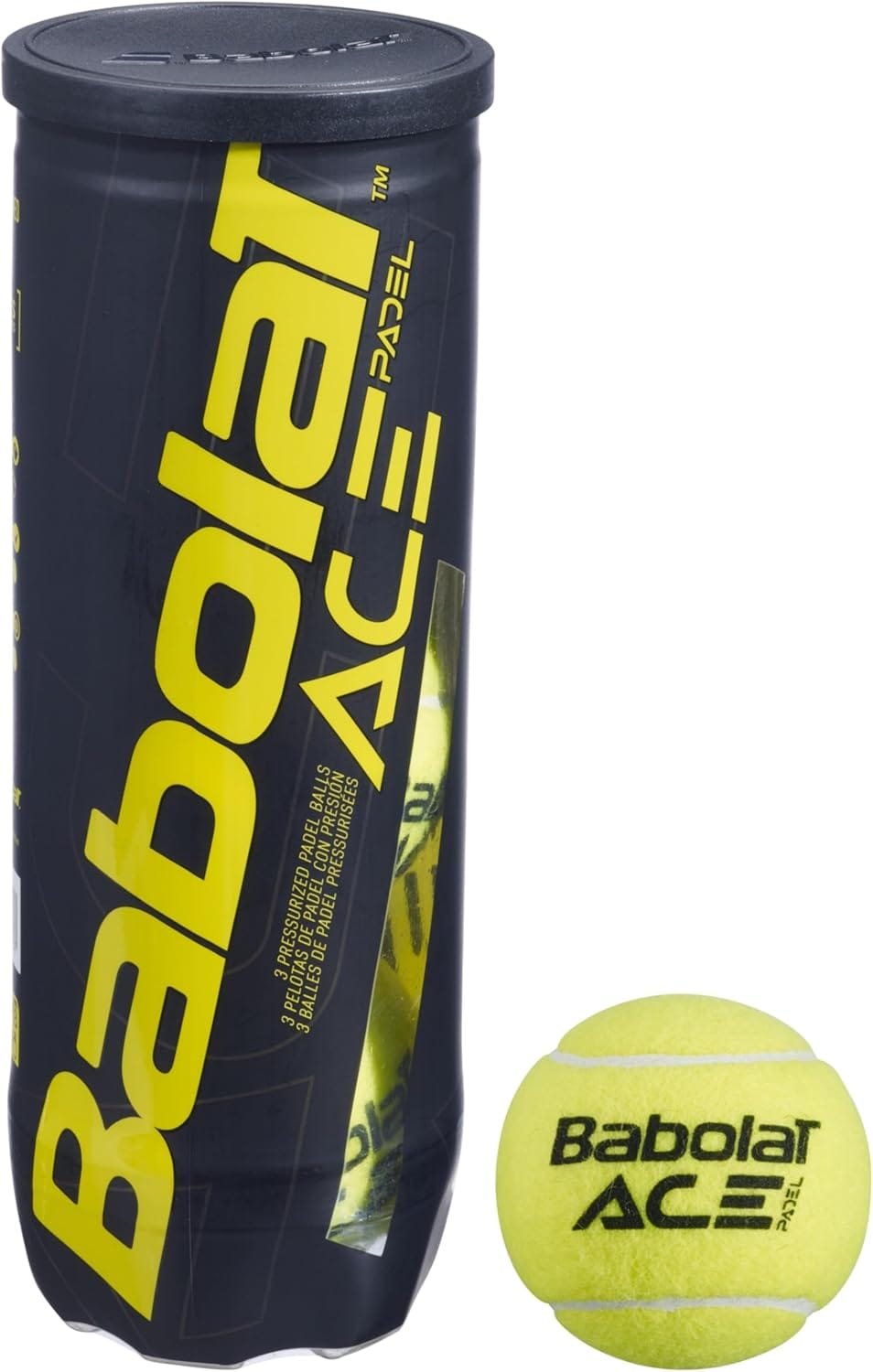
4. Babolat Ace Padel
Babolat Ace Padel is a fast match-oriented ball aimed at advanced and competitive players. Its responsive feel suits players who want sharper reactions during regular match play.
| Specification | Babolat Ace Padel |
|---|---|
| Playing Feel | Fast |
| Capacity | 3 balls |
| Best For | Competitive players |
| Durability | Medium-high |
| Indicative Price | £8-£10 |
Pros
- Fast and responsive feel
- Suitable for advanced match play
- Designed for competitive sessions
- Useful for attacking players
Cons
- Can carry a premium price
- Too fast for many beginners
- Less suited to relaxed sessions
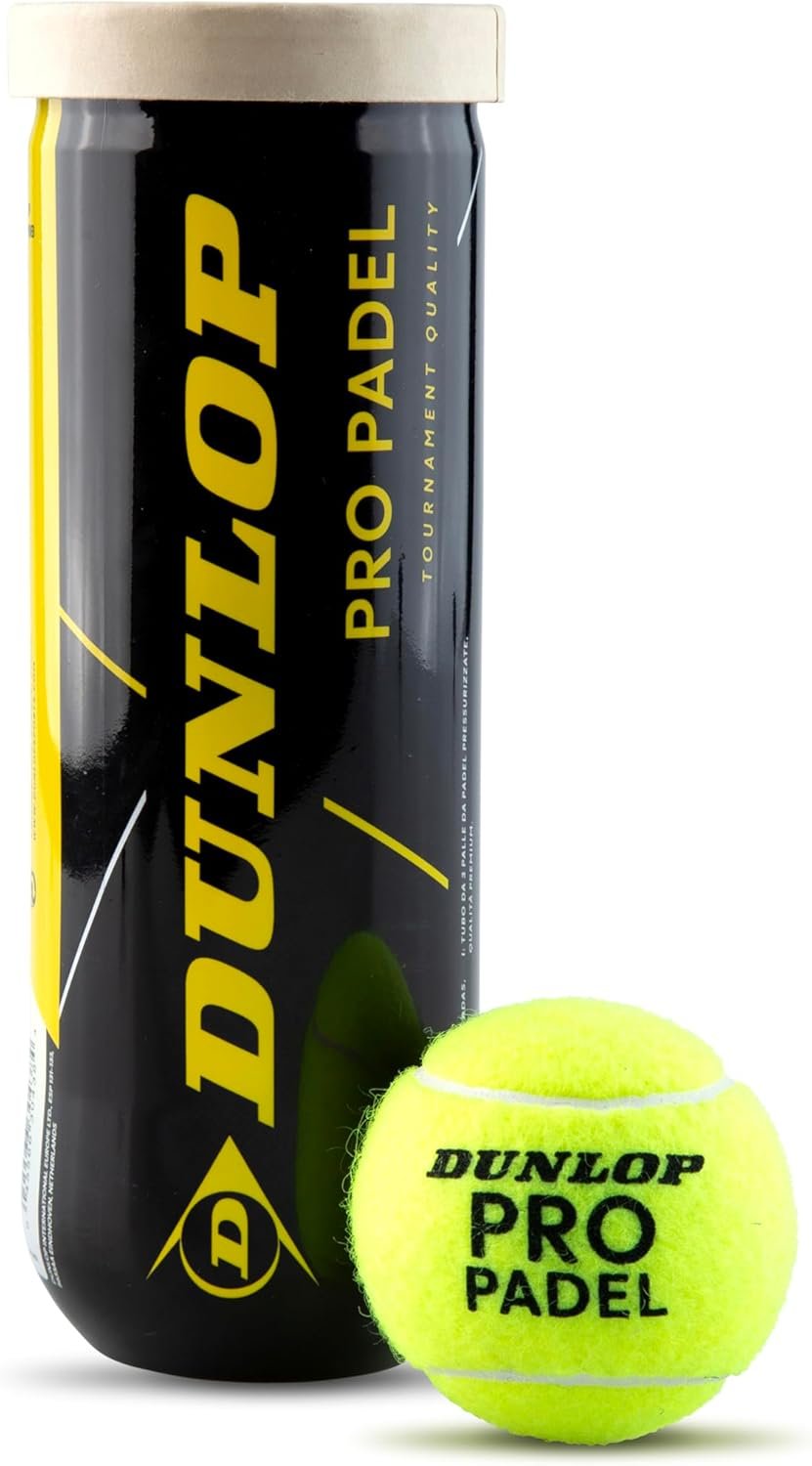
5. Dunlop Pro Padel
Dunlop Pro Padel is positioned as a fast and durable ball with extra bounce. Its synthetic cloth construction makes it suitable for frequent club sessions, leagues and competitive play.
| Specification | Dunlop Pro Padel |
|---|---|
| Playing Feel | Fast with extra bounce |
| Capacity | 3 balls |
| Best For | Frequent club players |
| Durability | High |
| Indicative Price | £5-£10 |
Pros
- Durable synthetic cloth construction
- Fast and lively response
- Suitable for clubs and leagues
- Designed for frequent use
Cons
- May feel too lively for beginners
- Can cost more than entry-level balls
- Less suited to slower social sessions
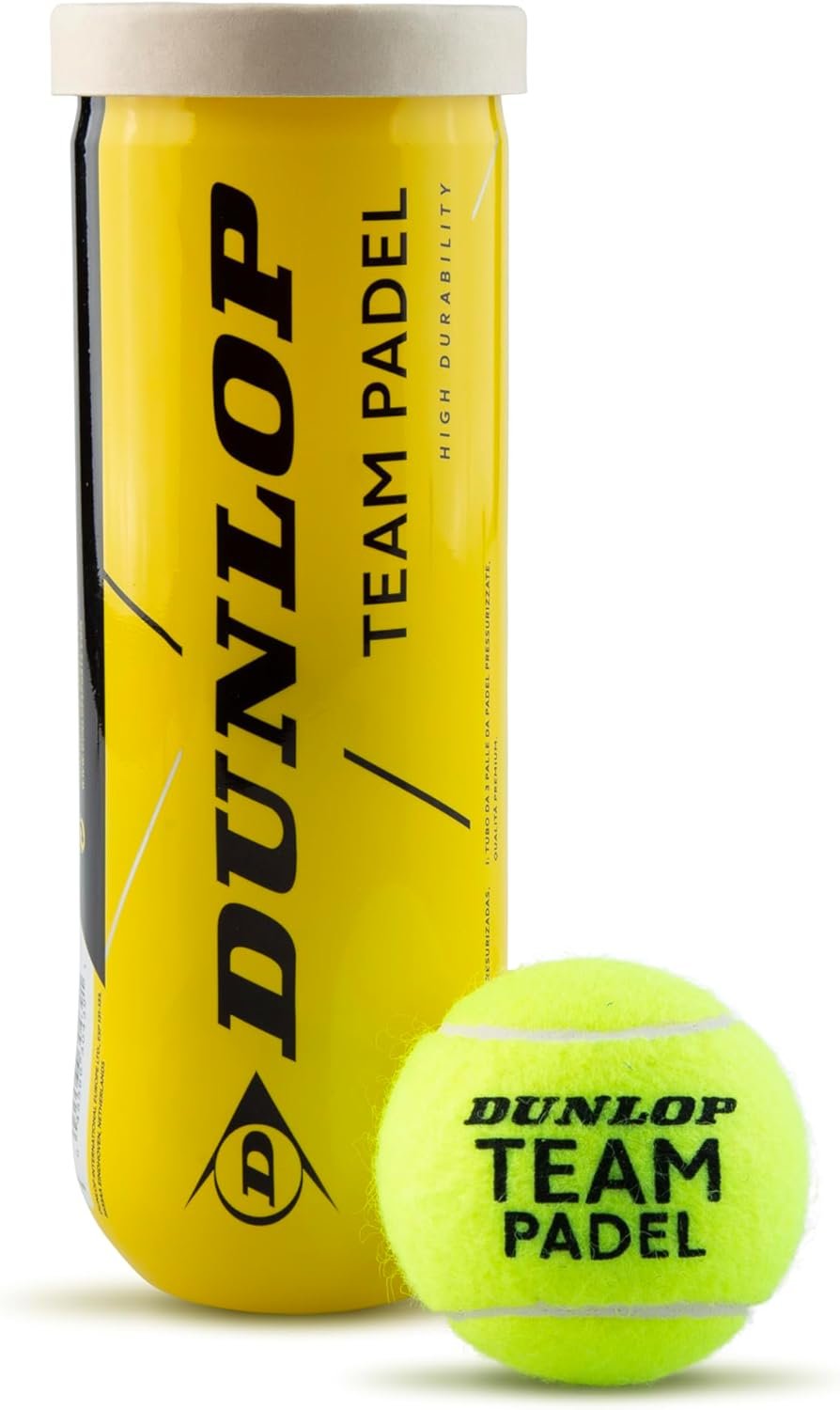
6. Dunlop Team Padel
Dunlop Team Padel offers a balanced medium-fast response for social sessions, improving players and regular club use. It is an accessible alternative to more competition-focused balls.
| Specification | Dunlop Team Padel |
|---|---|
| Playing Feel | Medium-fast |
| Capacity | 3 balls |
| Best For | Social and improving players |
| Durability | Good |
| Indicative Price | £7-£10 |
Pros
- Good value for regular sessions
- Balanced pace for social play
- Suitable for improving players
- Useful for club training
Cons
- Not positioned as a top competition ball
- May feel lively for complete beginners
- Less controlled than beginner options
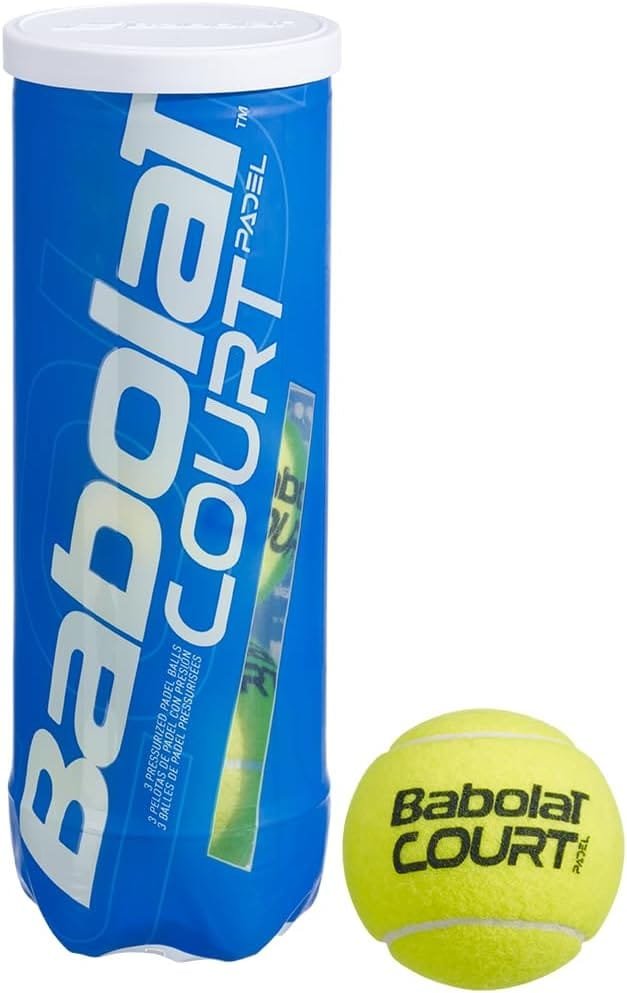
7. Babolat Court Padel
Babolat Court Padel is a recreational ball intended for casual matches, beginner training and social play. Its medium response makes it a practical choice for occasional sessions.
| Specification | Babolat Court Padel |
|---|---|
| Playing Feel | Medium |
| Capacity | 3 balls |
| Best For | Beginners and casual players |
| Durability | Medium |
| Indicative Price | £10-£15 |
Pros
- Accessible recreational option
- Suitable for casual sessions
- Beginner-friendly positioning
- Easy to control
Cons
- Less responsive than premium match balls
- Not designed for advanced competition
- May feel restrained to faster players
Best Padel Balls UK 2026: Comparison Table
| Ball | Best For | Speed or Feel | Intended Use | Typical Price |
|---|---|---|---|---|
| HEAD Padel Pro+ | All-round players | Medium-fast | Club and match play | £8-£10 |
| HEAD Padel ONE | Beginners | Controlled | Training and recreation | £6-£10 |
| Bullpadel BP FIP Next Pro | Fast-rally players | Fast and lively | Competitive club play | £10-£15 |
| Babolat Ace Padel | Competitive players | Fast | Match-oriented play | £8-£10 |
| Dunlop Pro Padel | Frequent club players | Fast, extra bounce | Club, league and matches | £5-£10 |
| Dunlop Team Padel | Value-focused players | Medium-fast | Social and club play | £7-£10 |
| Babolat Court Padel | Beginners and casual players | Medium | Training and recreation | £10-£15 |
Price note: Prices are indicative ranges observed when the guide was prepared. Check the current listing, tube quantity, delivery charge and seller before buying.
How These Padel Balls Were Compared
The comparison uses manufacturer descriptions, stated playing characteristics, intended player level, construction information, UK retailer availability and available competition information. Padel Gameplan did not conduct laboratory pressure-retention or durability testing. Descriptions such as fast, controlled and durable therefore reflect manufacturer positioning and comparative editorial assessment rather than independent laboratory measurements.
Players buying balls for sanctioned competition should verify the exact model against the current approved-ball information published by the relevant organiser or the International Padel Federation.
Padel Ball Speed: Fast vs Controlled Options
Faster padel balls tend to create livelier rallies and quicker rebounds from the glass. They can suit experienced players who have consistent control and prefer an attacking pace. More controlled balls can make rallies easier to manage during coaching, social games and early-stage development.
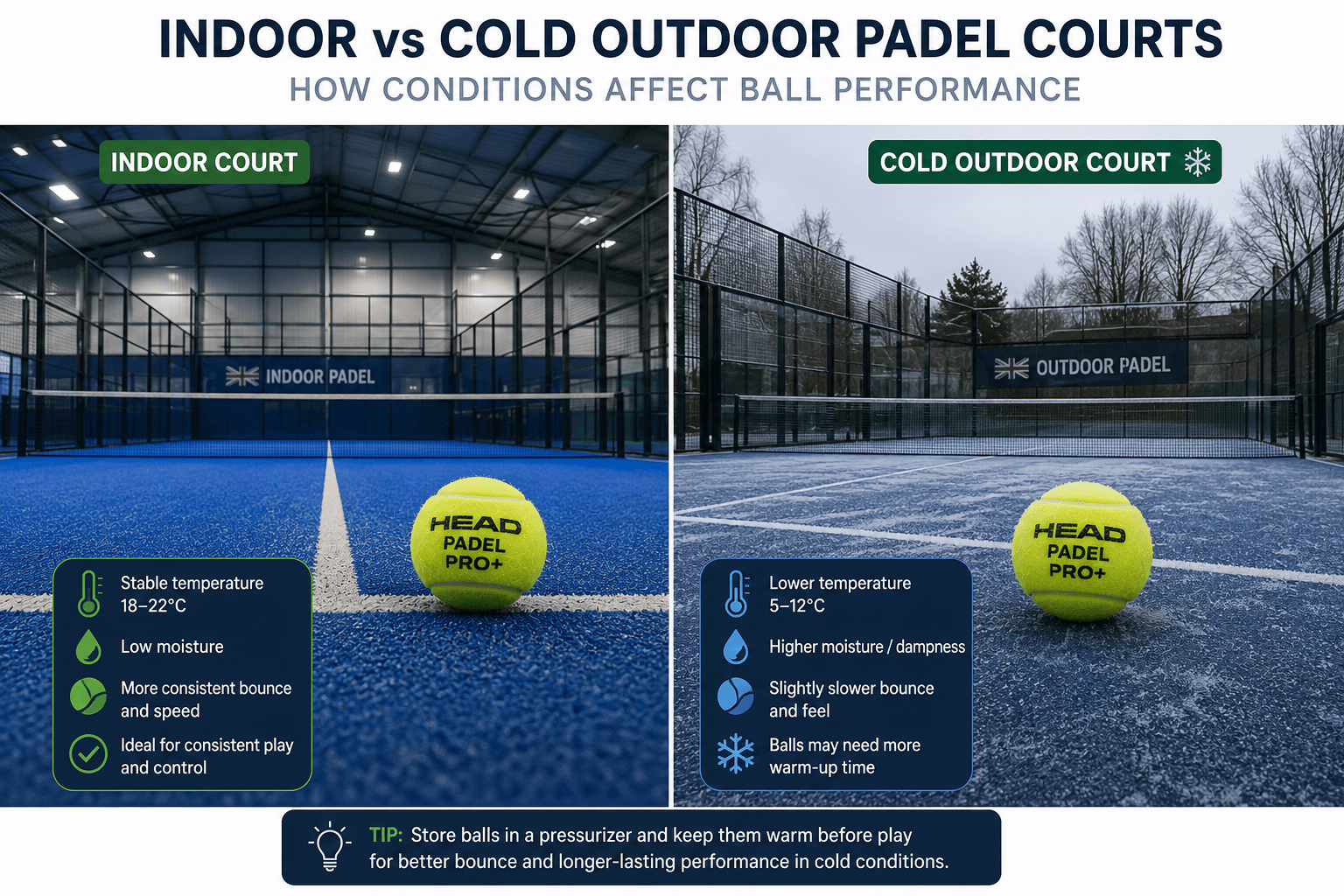
Temperature affects perceived speed. A pressurised ball can feel slower in cold UK conditions and quicker on a warm indoor court. Bullpadel BP FIP Next Pro and Babolat Ace Padel are the speed-focused options here. HEAD Padel ONE offers the most controlled positioning.
Best Padel Balls for Indoor Courts in the UK
Indoor courts normally provide more stable temperature and moisture conditions. HEAD Padel Pro+ is the strongest all-round choice for varied club use. Players wanting quicker rallies may prefer Bullpadel BP FIP Next Pro or Babolat Ace Padel, particularly on a faster surface.
Best Padel Balls for Cold Outdoor UK Courts
Cold weather can make pressurised balls feel slower and lower-bouncing. Dunlop Pro Padel and Babolat Ace Padel are reasonable options for players seeking a livelier response, but no model is immune to temperature. Keep balls dry, avoid prolonged storage in an unheated car or garage and allow them to adjust gradually to the court environment.
Pressurised vs Depressurised Padel Balls
Pressurised balls are the type most commonly encountered at clubs and in competition. They are sealed in pressurised cans and gradually lose internal pressure after opening. Depressurised training balls rely more heavily on the rubber construction for bounce and can maintain a steadier response over time, although their playing feel differs from a conventional match ball.
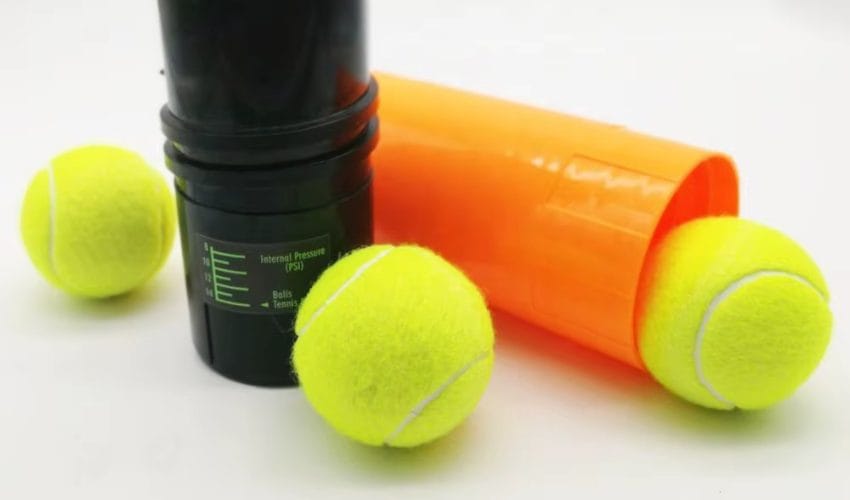
A padel ball pressurizer may help maintain pressure between sessions. It cannot repair worn felt, damaged rubber or a misshapen ball.
Padel Balls vs Tennis Balls: What Is the Difference?
Padel and tennis balls look similar, but they are made to meet different sport-specific pressure and bounce requirements. A tennis ball can feel faster and less predictable in padel, particularly when rebounding from the glass. Proper padel balls are the appropriate choice for club play, coaching and matches. See the Padel Rules UK guide for the basic playing rules.
How Long Do Padel Balls Last?
Usable life depends on playing frequency, stroke intensity, temperature, storage and the individual model. Many recreational players notice a meaningful reduction in bounce after several sessions, but there is no single reliable lifespan for every ball and playing environment.
Replace the balls when bounce becomes noticeably lower or inconsistent, the felt is badly worn, the ball feels unusually soft, or different balls from the same tube begin responding very differently.
How UK Weather Affects Padel Ball Performance
Cold conditions normally make a pressurised ball feel slower and lower-bouncing. Damp felt can absorb moisture, increase weight and reduce responsiveness. Indoor courts therefore tend to offer more predictable ball behaviour than exposed outdoor courts.
Store opened balls at a stable indoor temperature, keep them dry and avoid large temperature swings. Do not place wet balls directly into an airtight container before drying them.
How to Make Padel Balls Last Longer
- Rotate all three balls during the session to distribute wear.
- Keep balls dry and away from extreme heat or cold.
- Close the original tube immediately after play.
- Consider a pressure-maintaining container for frequent play.
- Replace balls with damaged rubber, badly worn felt or inconsistent bounce.
For footwear that supports movement on different court surfaces, see the best padel shoes UK guide.
Common Mistakes When Buying Padel Balls
- Buying tennis balls by mistake: choose balls specifically labelled for padel.
- Choosing maximum speed as a beginner: a controlled ball often supports better rally development.
- Ignoring pack quantity: compare price per tube rather than headline price alone.
- Assuming approval is permanent: verify the exact current model before sanctioned competition.
- Leaving balls in an unheated car: large temperature changes affect playing feel.
Final Verdict: Which Padel Balls Should You Buy?
HEAD Padel Pro+ is the best overall choice in this comparison for most UK club players because it offers a balanced mix of pace and control. HEAD Padel ONE is the clearer beginner option. Dunlop Pro Padel suits frequent club and match use, while Bullpadel BP FIP Next Pro and Babolat Ace Padel suit players who intentionally want a faster response.
For social sessions and value-focused purchasing, compare Dunlop Team Padel and Babolat Court Padel. Current price, tube quantity and delivery cost should be checked before ordering.
Frequently Asked Questions About Padel Balls
What are the best padel balls for beginners in the UK?
HEAD Padel ONE and Babolat Court Padel are the beginner-oriented choices in this comparison. HEAD Padel ONE has the more controlled positioning, while Babolat Court Padel is intended for recreational and training use.
What are the best padel balls for club players?
HEAD Padel Pro+ is the best all-round club option here, while Dunlop Pro Padel suits frequent club and match use. Players wanting faster rallies can also consider Bullpadel BP FIP Next Pro.
How many padel balls are needed for a session?
Three balls are standard because most padel balls are supplied in three-ball tubes. Rotating all three during play helps distribute felt and impact wear.
How long do padel balls last?
It varies with playing frequency, intensity, weather and storage. Replace them when bounce becomes noticeably lower or inconsistent, rather than relying on a fixed number of sessions.
Are padel balls and tennis balls the same?
No. They look similar, but regulation padel balls use padel-specific pressure and bounce requirements. Tennis balls can feel faster and less predictable on a padel court.
Does UK weather affect padel ball performance?
Yes. Cold temperatures can reduce perceived bounce and speed, while damp felt can add weight and reduce responsiveness.
What does FIP-approved mean?
It means the exact ball model has met the technical requirements applicable to the relevant approval process. Current status should be checked before sanctioned competition because approved lists can change.
Can padel balls be stored in a pressurised tube?
Yes. A pressure-maintaining container is designed to reduce pressure loss between sessions, although it cannot repair worn felt or damaged rubber.
Which padel balls suit cold outdoor courts?
A livelier ball such as Dunlop Pro Padel or Babolat Ace Padel may help counter a slower feel, but storage temperature and moisture can matter as much as the selected model.
Where can padel balls be bought in the UK?
Padel balls are available from specialist UK padel retailers, major sports shops and Amazon UK. Check the seller, delivery charge, tube quantity and return conditions before buying.
Publication and Sources
This guide was prepared by the Padel Gameplan Editorial Team using manufacturer product information, UK retailer listings and sport-specific technical guidance. Participation context can be checked through the LTA’s report on padel participation in Great Britain.