7 Best Padel Balls in UAE 2026 – Proven Picks That Never Disappoint

Discover the 7 best padel balls for UAE players in 2026 - covering Dubai, Abu Dhabi, Sharjah, Ras Al Khaimah, Ajman, Fujairah and Al Ain. FIP-approved options reviewed across all skill levels, with expert buyer guidance on pressure, bounce, durability and UAE climate conditions.
best padel balls

7 Best Padel Balls in UAE 2026 – Proven Picks That Never Disappoint

By the Padel Gameplan Editorial Team | Published: 29 March 2026 | Updated: 29 March 2026


Selecting the best padel balls in UAE 2026 is one of the most practical decisions a player can make – yet it is often overlooked in favour of rackets and shoes. The ball used on court directly affects bounce consistency, rally speed, spin response, and how long each session feels competitive. For players across Dubai, Abu Dhabi, Sharjah, Ras Al Khaimah, Ajman, Fujairah, and Al Ain, this choice carries an added layer of complexity: the UAE’s heat and humidity place demands on padel ball performance that cooler-climate markets rarely consider. This guide covers what the best padel balls are, how FIP specifications govern their construction, which brands are currently certified, and how to match ball selection to your playing conditions and skill level.


What Makes a Padel Ball Different from a Tennis Ball

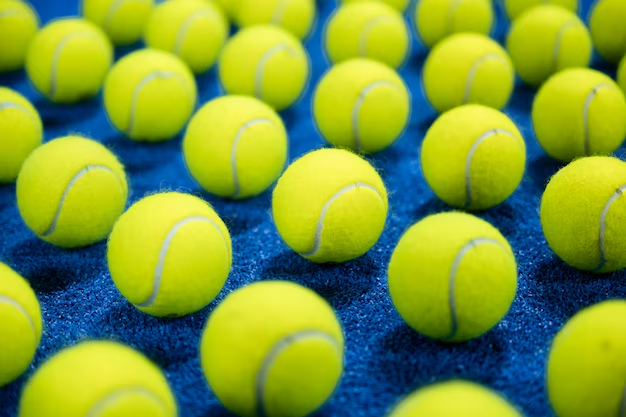
Padel balls and tennis balls appear similar at a glance, but they are engineered to different specifications. The key differences lie in internal pressure, diameter, and felt composition – all of which are regulated by the International Padel Federation (FIP).

According to FIP rules, a padel ball must have a diameter measuring between 6.35 and 6.77 cm, an internal pressure between 4.6 and 5.2 kg per 2.54 square centimetres, and a bounce between 135 and 145 cm when dropped from a height of 2.54 metres onto a hard surface. Tennis balls are pressurised slightly higher and sized larger – making them unsuitable for padel’s enclosed glass-and-mesh court environment, where the ball interacts with walls and a smaller court at speed.

The lower pressure in padel balls produces a softer, more controlled bounce that suits the technical demands of the sport. Beginners often find that using a properly pressurised padel ball makes rallies easier to sustain, as the flight and rebound are predictable and less aggressive than a tennis ball.

When play takes place at an altitude of more than 1,000 metres above sea level, a different type of ball may be used, with the bounce specified as more than 121.92 cm and less than 135 cm. This is relevant context for players travelling internationally or competing in mountain-altitude events, though UAE venues are at sea level.


best-padel-balls-2


FIP Ball Standards and Why Certification Matters

Only balls certified and approved by the FIP may be used in FIP Tournaments and competitions that are part of the official calendar – including all FIP Championships, Premier Padel, CUPRA FIP Tour, FIP Promises, and all other competitions recognised by the FIP worldwide.

For recreational players in the UAE, FIP certification serves as a reliable quality benchmark. A certified ball has passed standardised testing for bounce consistency, pressure retention, and felt durability. Choosing FIP-approved balls for regular club play means performance characteristics align with what is used at professional level – which benefits players who are trying to develop consistent technical habits.

For 2026, the FIP has introduced stricter criteria for bounce and durability in padel balls, benefiting players looking for more consistent and longer-lasting performance on court.


Pressurised vs Depressurised Padel Balls

Understanding the difference between pressurised and depressurised padel balls helps players choose the right option for their playing frequency.

Pressurised balls are by far the most common type found in UAE padel clubs and tournaments. These balls come sealed in pressurised cans and are at peak performance when first opened – reactive, consistent, and fast. However, the internal pressure gradually escapes through the rubber over time, meaning the balls lose their bounce after approximately 3 to 5 matches.

Depressurised balls do not rely on internal air pressure. Instead, they get their bounce from the thickness and composition of the rubber wall itself. This means they maintain a consistent bounce over a much longer period – potentially lasting months rather than days. The trade-off is playing feel: depressurised balls feel slightly heavier on impact and do not have the same lively responsiveness as fresh pressurised balls. They are also heavier overall, which can affect swing and the speed of play.

For most players across UAE clubs – whether playing in Dubai, Abu Dhabi, or any of the other five emirates – pressurised balls are the standard recommendation for match play and structured coaching sessions. Depressurised options are sometimes used in extended training drills where consistency over time is prioritised over peak feel.


FeaturePressurised BallsDepressurised Balls
Performance when newPeak responsivenessModerate – consistent throughout life
Lifespanapprox. 3-5 matchesSeveral months
Bounce feelLively, reactiveSlightly heavier
Best useMatch play, tournaments, coachingExtended drills, casual play
Cost efficiencyLower per can, higher per sessionHigher upfront, lower per session
FIP approval availableYesLimited models


How UAE Climate Affects Padel Ball Performance

This is a factor that most ball-buying guides written for European markets overlook entirely – and it matters significantly for players across all seven UAE emirates.

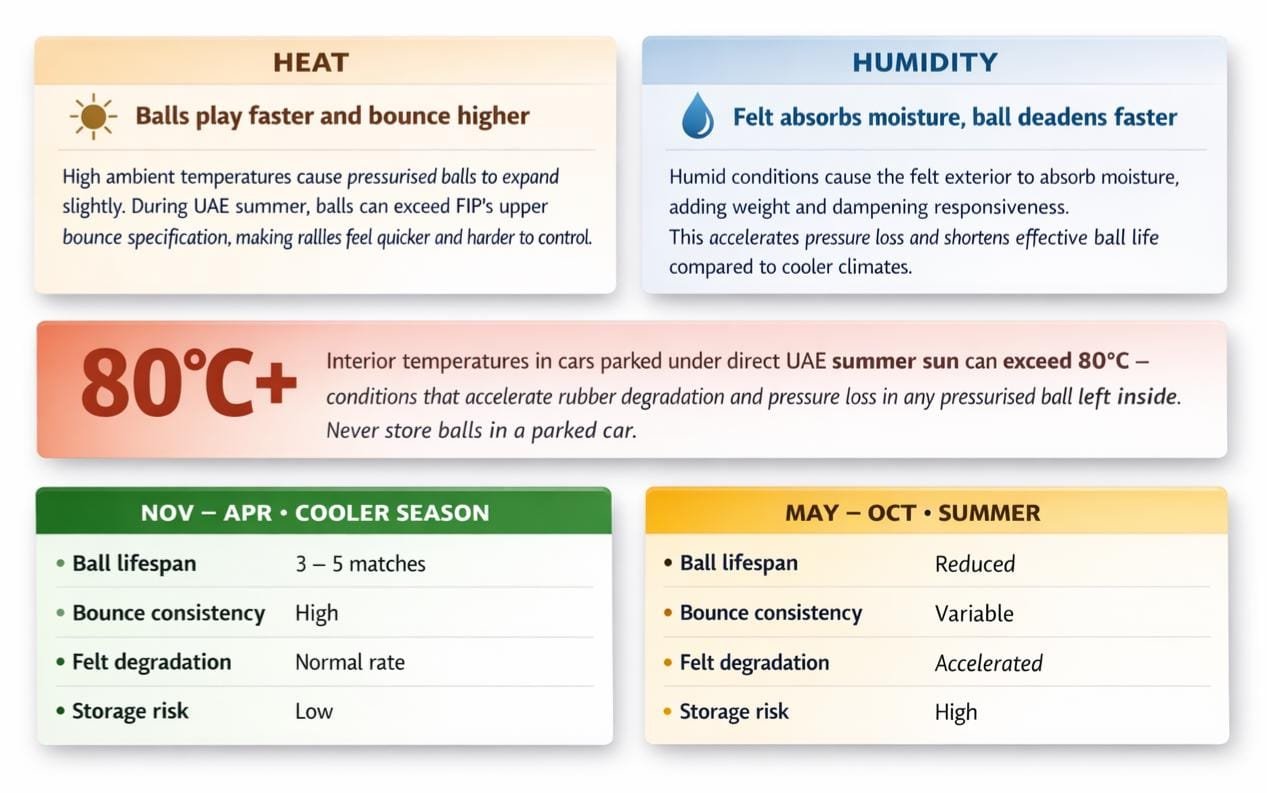
Heat causes pressurised padel balls to expand slightly, making them feel livelier and potentially bounce higher than the FIP specification ceiling. During UAE summer months, when indoor court temperatures can still remain warm, players may notice that balls feel faster and harder to control compared with playing during the cooler months of November to April.

Humidity affects the felt on the exterior of the ball. In humid conditions, the felt can absorb moisture, which adds weight to the ball and dampens its responsiveness – effectively accelerating the deadening process that happens naturally with use. Many players at UAE clubs report that balls lose their feel more quickly during summer months than in winter, even when stored correctly between sessions.

Practical guidance from coaches and regular club players in the UAE commonly includes:

  • Storing balls in a pressurised ball tube or sealed container rather than leaving them loose in a bag
  • Keeping balls away from car boots and outdoor storage where they are exposed to extreme heat
  • Rotating multiple balls during sessions rather than using a single ball continuously
  • Replacing balls more frequently during peak summer play when pressure loss accelerates


In the UAE context, high ambient temperatures mean balls may play faster and lose pressure more quickly than packaging guidance typically suggests. Players who are accustomed to ball performance in cooler climates often notice a meaningful difference when first playing in the UAE summer.
 

Current FIP-Approved Best Padel Ball Brands in 2026

The following brands and models appear on the current FIP-approved certifications list, with certifications confirmed and active in 2025-2026: All For Padel (Adidas) Speed Rx, Babolat Padel Court, Babolat Padel Ace, Bullpadel Next Pro, Bullpadel Next, Decathlon Kuikma C, Decathlon Kuikma S, Dunlop Pro Padel, and Dunlop Fort Padel, among others. The FIP updates this list periodically, and players competing in official events should verify current certifications directly on the FIP website at padelfip.com.

For players across UAE clubs and venues in Dubai, Abu Dhabi, Sharjah, Ras Al Khaimah, Ajman, Fujairah, and Al Ain, the brands most commonly stocked include Head, Bullpadel, Babolat, Wilson, and Dunlop. Availability varies by venue and retailer, and pricing on Amazon.ae typically ranges from approx. AED 25 to AED 35 per can for single cans, with bulk options available at lower per-can rates.

7 Best Padel Balls for UAE Players in 2026

Some product mentions may include affiliate links.

The following padel balls are among the most widely used and available options for players in the UAE in 2026, reviewed across performance characteristics, FIP status, and suitability for UAE playing conditions.


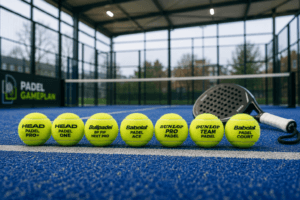
Head Padel Pro

Head Padel Pro Ballsimage

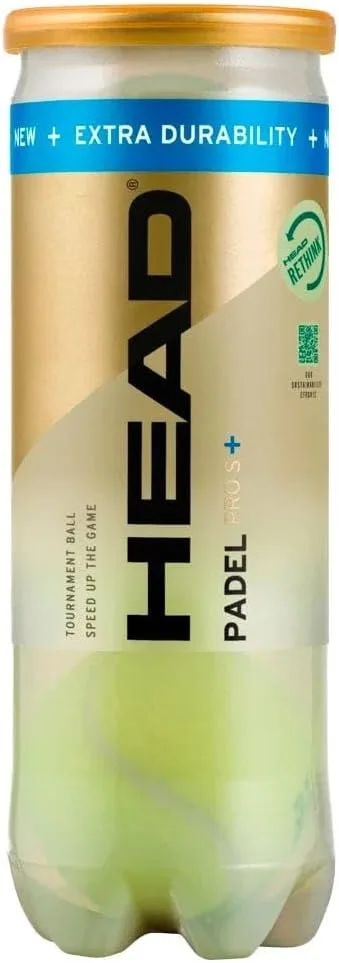
The Head Padel Pro is one of the most consistently referenced options in the UAE padel community. Head is an FIP-approved ball brand, and the Pro model is designed for match play and regular club sessions. The felt construction is noted by many players for holding up reasonably well through multiple sessions, and the bounce is described as predictable and well within FIP parameters when fresh from the can.

Head padel balls are widely stocked across UAE padel retailers and available on Amazon.ae, making them straightforward to restock. Many coaching programmes at UAE academies use Head balls as a standard session ball, which reflects their consistency at moderate-to-intensive use levels.

Suitability: All skill levels from beginner through to advanced club players.


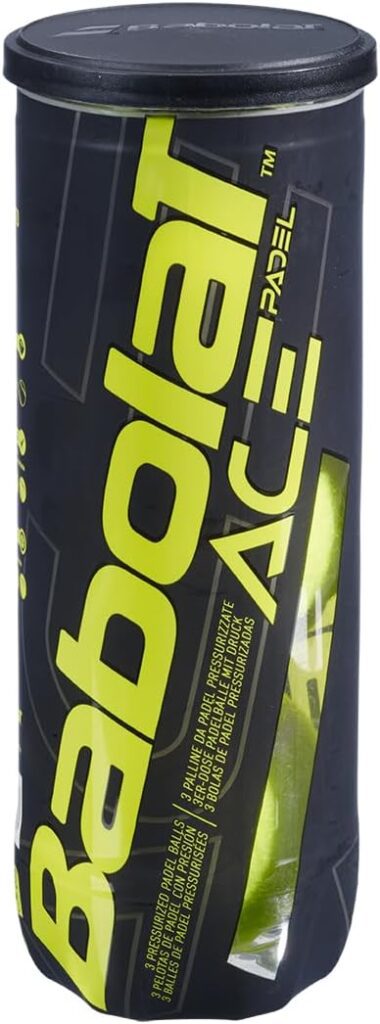
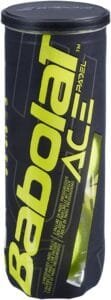
Babolat ACE Padel

babolat ace padel ballsimage

The Babolat ACE Padel is positioned toward competitive and regular club play. Babolat is an FIP-approved ball brand, and the ACE model is noted in the player community for a lively feel from the can and good initial bounce consistency. Babolat’s padel ball range has been developed alongside their broader racket sport heritage, and the ACE model reflects that emphasis on performance-oriented construction.

For UAE players who play multiple sessions per week, the Babolat ACE offers a reliable match-standard feel. The felt construction performs acceptably in warmer indoor conditions, though as with all pressurised balls, players using them during summer months may notice pressure changes more quickly than in cooler climates.

Suitability: Intermediate to advanced players; regular club and competitive use.


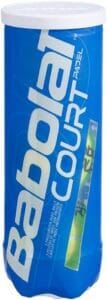
Babolat Padel Court

babolat padel court ballsimage

The Babolat Padel Court is Babolat’s more accessible option alongside the ACE, designed for a broader range of players. It appears on the FIP-approved certifications list with active certification running through 2027. The Court model is frequently referenced as a solid choice for beginners and casual players who want a certified ball without the premium price of top-tier competition models.

Suitability: Beginners and recreational players; casual social sessions.


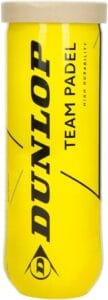
Dunlop Team Padel

Dunlop Team Padel Ballsimage

The Dunlop Team Padel is the entry-level model in Dunlop’s padel ball range, sitting below the Pro Padel in terms of speed and price, and positioned specifically for recreational sessions, friendly matches, and training. It is a distinct product from the Dunlop Pro Padel already featured in this article and fills a different slot – making it an accessible and practical option for beginners and casual players across UAE clubs in Dubai, Abu Dhabi, Sharjah, Ras Al Khaimah, Ajman, Fujairah, and Al Ain.

According to brand documentation, the Team Padel is built with an exclusive core construction and high-quality synthetic felt, with durability as the primary design focus. Player feedback commonly notes a consistent, balanced bounce suited to extended casual sessions and a comfortable feel at moderate pace – characteristics that help new players develop their game without the ball playing too fast or aggressively. The Team Padel is approved by the Spanish Padel Federation and is available on Amazon.ae through Dunlop’s established distribution network.

Suitability: Beginners and recreational players; casual social sessions, training, and home practice.


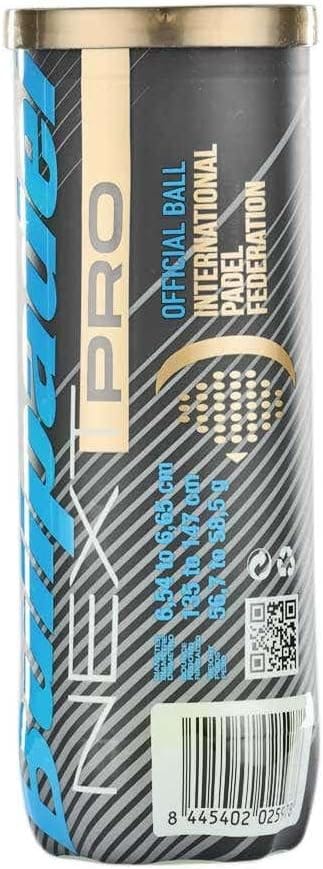
Bullpadel Next Pro


bullpadel next pro ballsimage

Bullpadel is one of the most prominent padel brands in the UAE market, with strong visibility across clubs in Dubai and Abu Dhabi. Both the Bullpadel Next Pro and Bullpadel Next appear on the FIP-approved certifications list with certifications confirmed in 2025.

The Next Pro is noted for a fast, reactive feel straight from the can with lively and consistent bounce during the first two to three matches. The trade-off is durability – players report that Bullpadel balls tend to lose their edge more noticeably after three to four matches compared with some premium alternatives. For high-frequency players in the UAE who go through balls quickly, Bullpadel’s bulk-purchase options offer reasonable cost-per-session value.

Suitability: All levels; particularly cost-effective for high-volume training use.


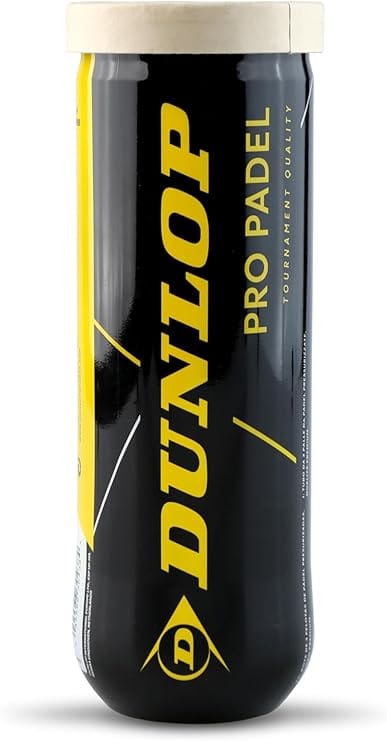
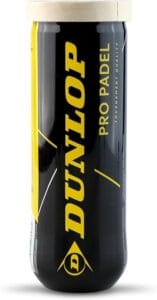
Dunlop Pro Padel


dunlop pro padel ballsimage

The Dunlop Pro Padel is FIP-approved and widely noted for durability – with consistent bounce that holds up for longer than many balls in a similar price range. Both the Dunlop Pro Padel and Dunlop Fort Padel carry active FIP certification through 2027.

Dunlop has a long history in racket sports and the Pro Padel model reflects that experience in felt construction and pressure retention. Players who prioritise durability over outright performance peak – particularly those playing two to three sessions per week – commonly report that Dunlop balls hold their bounce characteristics for longer than similarly priced options.

Suitability: Intermediate to advanced players; regular club use where durability per can is a priority.


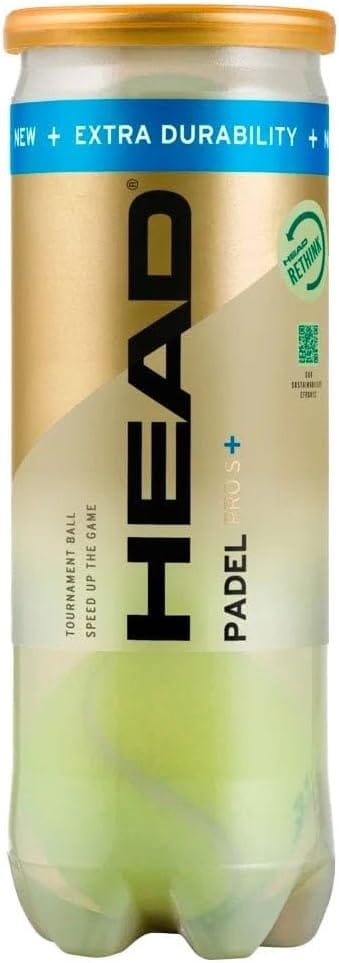
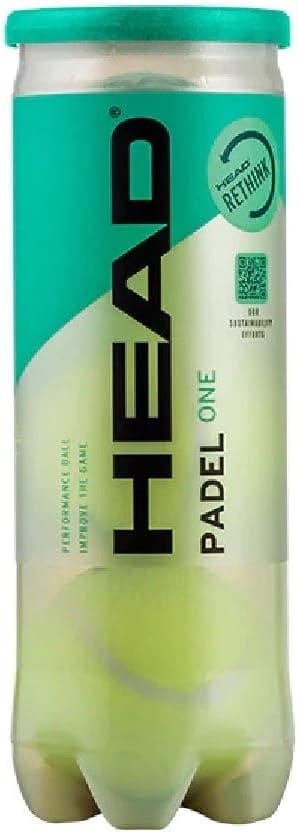
HEAD 3B Padel ONE


head 3b padel one ballsimage

The HEAD 3B Padel ONE is the entry-level model in Head’s padel ball range, positioned specifically for players who are new to the sport or playing at a recreational pace. It sits below the Head Padel Pro and Head Padel Pro S in Head’s lineup, making it a purpose-built option for beginners, casual social players, and junior padel participants across UAE clubs in Dubai, Abu Dhabi, Sharjah, Ras Al Khaimah, Ajman, Fujairah, and Al Ain.

Head is an FIP-approved padel ball brand with a long-established presence in racket sports. The Padel ONE is designed with a slower, more controlled bounce compared with Head’s competition-grade models – a characteristic that many beginners and new players find helpful when developing their technique and building confidence in rallies. The more forgiving ball response allows players to focus on footwork, positioning, and basic stroke mechanics without the added challenge of a fast, reactive ball.

Suitability: Complete beginners, new and occasional players, and junior padel participants.


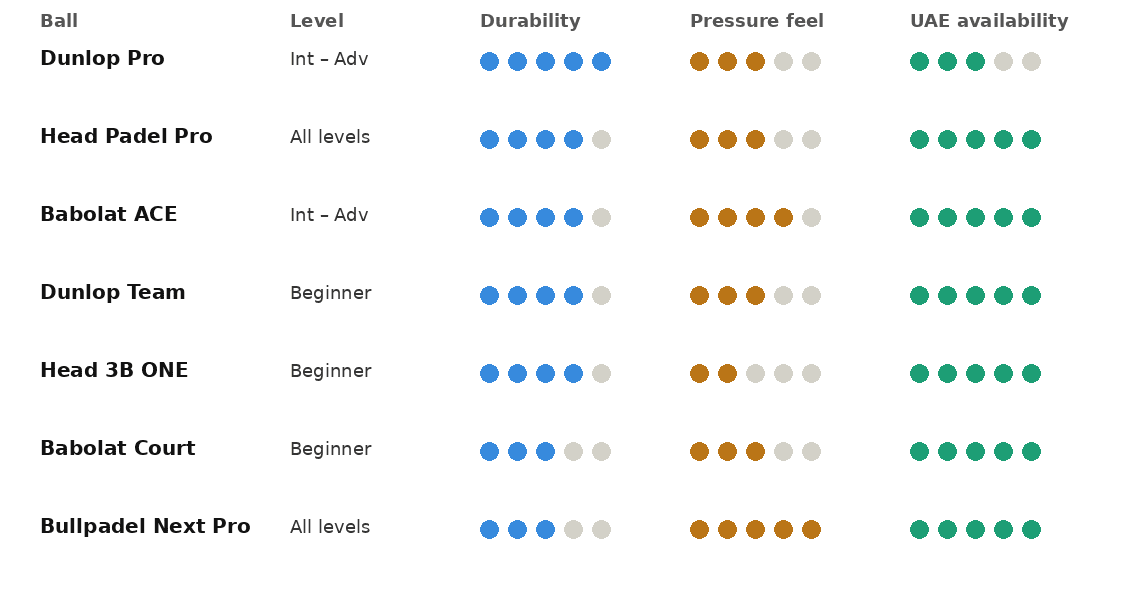
Best Padel Balls Comparison Table

BallFIP ApprovedBest ForPressure FeelDurabilityUAE Availability
Head Padel ProYesAll levelsMediumGoodWide
Babolat ACE PadelYesIntermediate-AdvancedLivelyGoodWide
Babolat Padel CourtYesBeginners-RecreationalMediumModerateWide
Dunlop Team PadelYesBeginners-RecreationalMediumGoodWide
Bullpadel Next ProYesAll levels / TrainingFast-LivelyModerateWide
Dunlop Pro PadelYesIntermediate-AdvancedMediumExcellentModerate
HEAD 3B Padel ONEYesComplete Beginners-RecreationalSlow-MediumGoodWide


How to Choose the Right Padel Ball for Your Level and Playing Frequency

Selecting the best padel balls for UAE conditions in 2026 is most straightforward when the choice is guided by three factors: playing frequency, skill level, and primary use.

Players who play once or twice per week for recreational sessions will typically prioritise value per can and beginner-friendly feel over peak performance characteristics. Wilson, Babolat Court, and Head Padel balls are commonly recommended in this category.

Players who play three or more times per week – whether in regular leagues, coaching programmes, or competitive club play – will benefit from prioritising durability and FIP certification. Dunlop, Babolat ACE, and Bullpadel Next Pro are frequently referenced at this level.

Parents enrolling children in junior padel programmes at UAE academies should check with the specific programme whether balls are provided. Many academies in Dubai, Abu Dhabi, Sharjah, and across the northern emirates provide balls as part of the session fee, particularly for younger age groups using adapted training balls.

For players competing in UAE tournaments or club leagues that fall under FIP-affiliated governance, all balls used in official match play must be FIP-approved. Checking the current certification list at padelfip.com before purchasing for competition use is advisable, as certification renewals occur on a two-year cycle.


best-padel-balls-1


How to Make Padel Balls Last Longer in UAE Conditions

Maximising the lifespan of padel balls is particularly relevant in the UAE, where heat and humidity accelerate pressure loss. The following practices are commonly recommended by coaches and experienced club players.

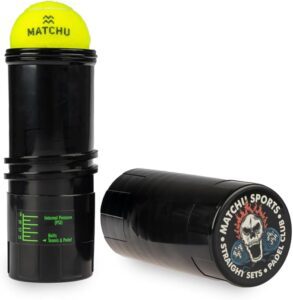
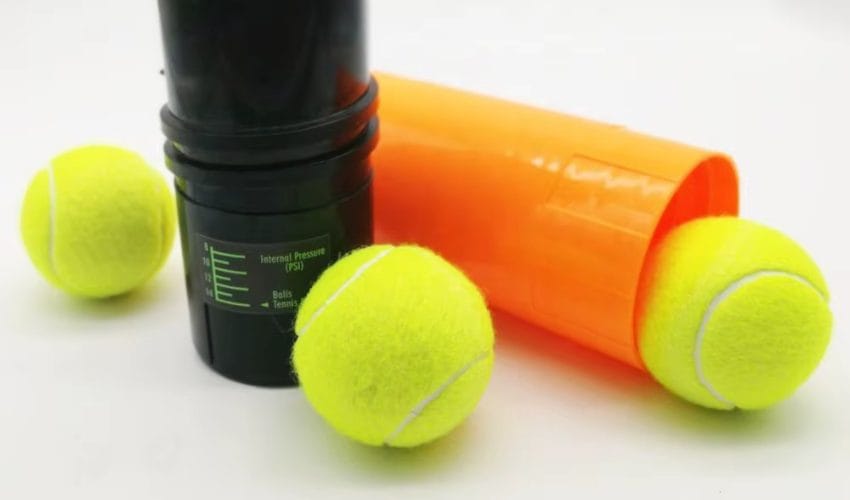
Store balls in a pressurised ball tube or airtight container when not in use. Leaving balls loose in a racket bag – especially when stored in a hot car or outdoor locker – accelerates the rate at which internal pressure escapes. Pressurised tubes are inexpensive and available from UAE padel retailers and Amazon.ae.

Rotate multiple balls during sessions. Using three to four balls across a session rather than hitting one ball continuously distributes wear more evenly and reduces the stress on any individual ball’s felt and rubber. This practice is standard in structured coaching sessions at UAE academies.

Keep balls away from extreme heat sources. Storing balls in air-conditioned spaces when possible – rather than in outdoor bags or vehicle boots during UAE summer – preserves both the felt and the rubber core. Temperatures inside a parked car in UAE summer can reach levels that noticeably degrade rubber compounds within a short period.

Check balls before high-stakes play. Squeeze each ball gently and bounce it briefly before starting an important session or match. A ball that feels noticeably soft or fails to reach the expected bounce height should be replaced rather than used for competitive play.

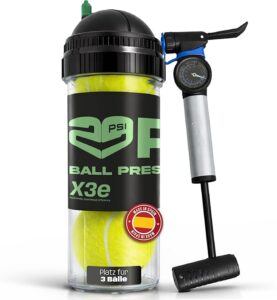
If you would like to extend ball life further, the guide to the best padel balls pressurizers covers the top options available in the UAE.


Padel Ball Care for Beginners: What New UAE Players Should Know

For players discovering padel for the first time across UAE courts – whether in Dubai, Sharjah, Ras Al Khaimah, Ajman, Fujairah, or Al Ain – a few practical points will help get the most from early purchases.

Most new players do not need to buy tournament-grade balls immediately. A standard FIP-approved ball from a recognised brand such as Head, Babolat, Wilson, or Bullpadel is entirely adequate for beginner-level social sessions and coaching classes. The performance difference between a mid-range and top-tier ball is most noticeable at intermediate and advanced levels, where players have developed the technique to detect subtle differences in pressure and response.

Beginners also benefit from understanding that padel balls are consumable items – not long-term equipment. Even the best padel balls lose their performance characteristics within a set number of sessions. Budgeting for regular replacement is simply part of playing padel regularly.

For parents enrolling children in junior padel programmes across UAE academies, many programmes provide balls during sessions. When purchasing independently for home practice or informal play, a standard can of Head or Wilson padel balls is a sensible starting point. For more on getting children started in the sport, see the guide on Padel for Children UAE.
 

10 Frequently Asked Questions: Best Padel Balls

1. What are the best padel balls for beginners in the UAE?

For beginners in the UAE, commonly recommended options include the HEAD 3B Padel ONE, Dunlop Team Padel, and Babolat Padel Court. These offer accessible, controlled performance at reasonable price points and are widely available across Dubai, Abu Dhabi, and other emirates. All three are from FIP-approved brands, meaning the ball meets consistent technical standards.

2. How many padel balls do I need for a session?

Coaches commonly recommend bringing three to four balls to each session. Rotating balls during play distributes wear evenly and keeps the bounce consistent throughout. Using a single ball for an entire session accelerates pressure loss and felt wear.

3. How often should padel balls be replaced?

For regular players – those playing two to three times per week – many players report replacing pressurised padel balls every three to five matches. Players who play less frequently may find balls last longer in calendar terms, though pressure loss is gradual and ongoing from the moment the can is opened.

4. Are padel balls and tennis balls the same?

No. Padel balls are specifically engineered to different specifications from tennis balls. They have a slightly smaller diameter, lower internal pressure, and felt designed for padel court surfaces and wall interaction. Using tennis balls in padel is possible in casual sessions but produces a noticeably different bounce and speed.

5. Does UAE heat affect padel ball performance?

Yes. High ambient temperatures cause pressurised padel balls to expand slightly, making them feel livelier and faster. Humidity can also affect the felt exterior, adding weight and dampening responsiveness. Many players across UAE clubs report that balls lose their optimal feel more quickly during summer months. Proper storage – away from heat and in sealed containers – helps slow this process.

6. What does FIP-approved mean for padel balls?

FIP-approved means the ball has passed testing conducted by an accredited FIP laboratory and meets the technical specifications required for use in official FIP competitions. The approved ball list is maintained and updated on the FIP website at padelfip.com. For recreational play, FIP approval serves as a reliable quality benchmark.

7. Can padel balls be stored in a pressurised tube?

Yes, and this is commonly recommended. Pressurised storage tubes are designed to maintain internal ball pressure between sessions. They are particularly useful in the UAE, where ambient heat and humidity accelerate natural pressure loss. Pressurised tubes are available from UAE padel retailers and on Amazon.ae.

8. Which padel balls are best for UAE indoor courts in summer?

For UAE indoor courts during summer months, balls with denser felt construction and noted durability – such as Dunlop Pro Padel and Babolat ACE Padel – are commonly preferred by regular players. These hold their characteristics for longer even under warm playing conditions. Regardless of brand, storing balls in sealed containers and rotating multiple balls per session is recommended.

9. Are there padel balls specifically designed for children?

Some junior padel programmes use adapted or lower-pressure training balls for younger children, particularly in the early learning stages. These are typically provided by the academy as part of the programme. Standard FIP-approved balls are appropriate for children who have progressed past the introductory stage and are participating in structured club sessions.

10. Where can I buy padel balls in the UAE?

Padel balls are available from UAE padel-specific retailers, major sports stores, and online through Amazon.ae. Brands including Head, Babolat, Wilson, Bullpadel, and Dunlop are available for delivery across Dubai, Abu Dhabi, Sharjah, Ras Al Khaimah, Ajman, Fujairah, and Al Ain. Pricing typically ranges from approx. AED 25 to AED 35 per can.


This article was researched and published by the Padel Gameplan Editorial Team for Padel Gameplan, a UAE-based padel research and curation platform serving players across all seven emirates. Sources consulted include the official FIP Rules of Padel (January 2026 edition), the FIP Ball Certification Process document, Padel Mad’s 2026 padel ball comparison guide, PadelGear.info’s 2026 ball buying guide, and TiendaPadelPoint’s FIP 2026 regulation update overview.

Facebook
LinkedIn
Pinterest
Threads
X
Reddit
Telegram

OTHER PADEL BLOGS