

10 Powerful Benefits of Padel for Children UK Parents Should Know in 2026
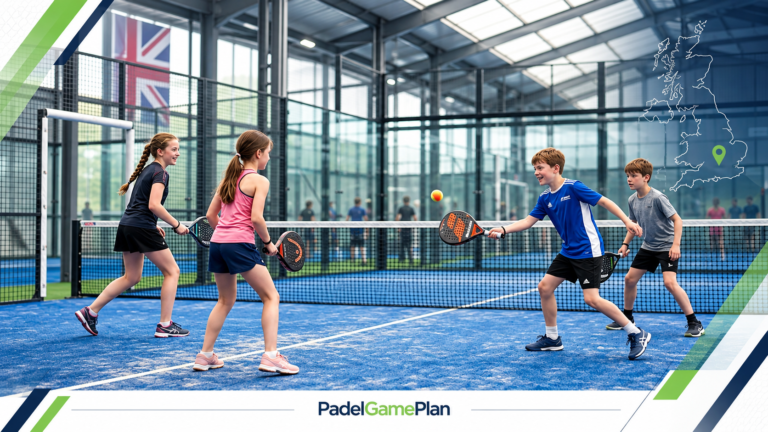
These 10 powerful benefits of padel for children UK families should know in 2026 cover fitness, coordination, teamwork, confidence and practical access to a beginner-friendly racket sport. Padel is usually played as doubles on a compact enclosed court, and children can use slower balls and adapted activities while learning.The LTA says padel can be introduced to children as young as four and highlights physical fitness, coordination, focus, problem-solving and decision-making among its benefits. A padel session can also contribute towards the UK recommendation that children and young people aged 5 to 18 average at least 60 minutes of moderate or vigorous physical activity each day across the week.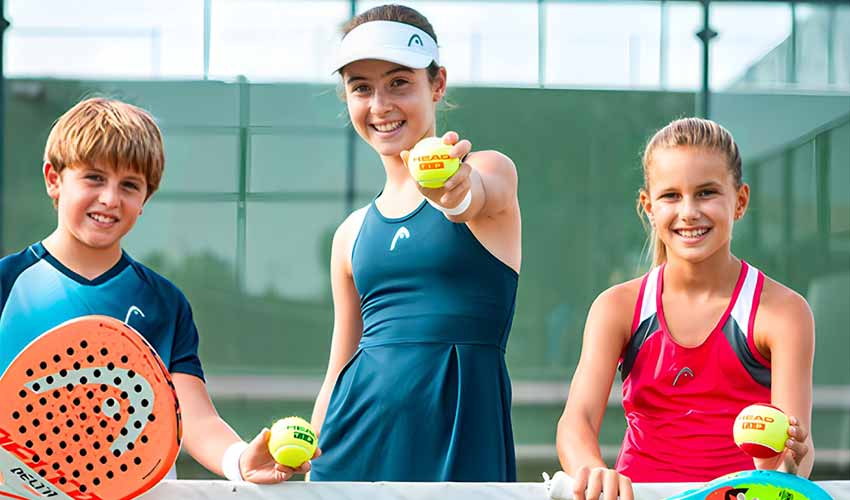
Quick Answer: Is Padel Good for Children?
The benefits of padel for children UK families may value include regular movement, social play and shared decision-making. Padel can be a suitable choice for children who enjoy active, social games. Its doubles format encourages communication, while the compact court and adapted balls can make early rallies easier to build. It is not risk-free, so parents should choose age-appropriate coaching, check safeguarding arrangements and make sure the child uses suitable footwear and equipment.What Age Can Children Start Padel in the UK?
The LTA presents padel as an activity for children from age four. That does not mean every venue accepts four-year-olds. Minimum ages, session lengths and groupings vary, so parents should check directly with the club. Readiness also depends on attention span, coordination, confidence and whether the child enjoys group instruction.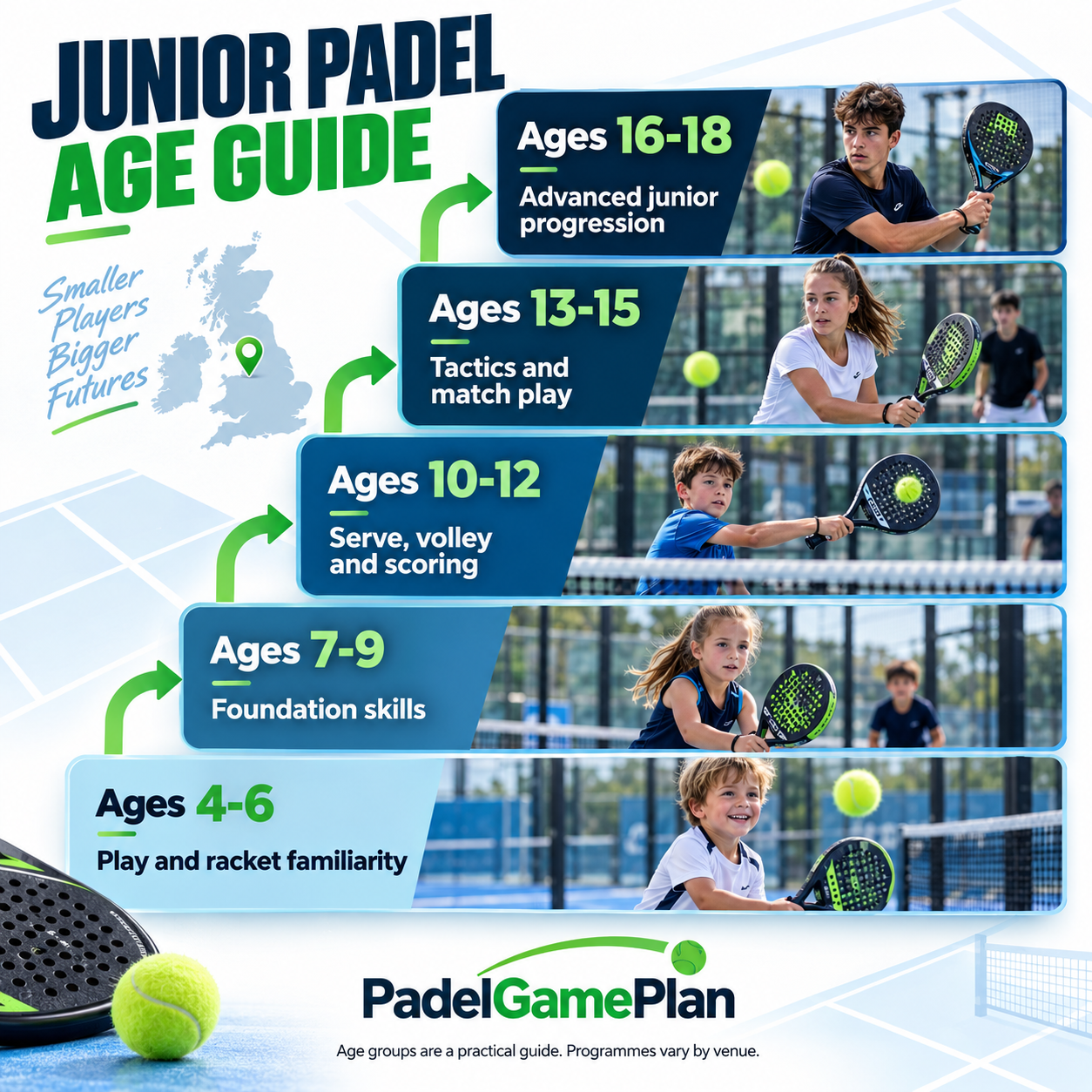
| Age | Practical Stage | Suitable Focus | Parent Check |
|---|---|---|---|
| 4-6 | Play-based introduction | Balance, movement, racket familiarity and simple ball games | Ask whether the session is designed specifically for early years |
| 7-9 | Foundation | Contact point, basic forehand and backhand, simple teamwork | Look for adapted balls, short instructions and frequent activity |
| 10-12 | Skill development | Serve, volley, scoring, court position and wall awareness | Check that groups are balanced by ability as well as age |
| 13-15 | Tactical development | Doubles movement, shot selection, match play and conditioning | Ask about social and competitive pathways |
| 16-18 | Advanced junior or adult transition | Consistency, tactics, competition and adult social play | Confirm the most suitable junior or adult group with the coach |
Important: This table is a practical guide, not a mandatory LTA pathway. Individual venues may use different age bands.
10 Powerful Benefits of Padel for Children
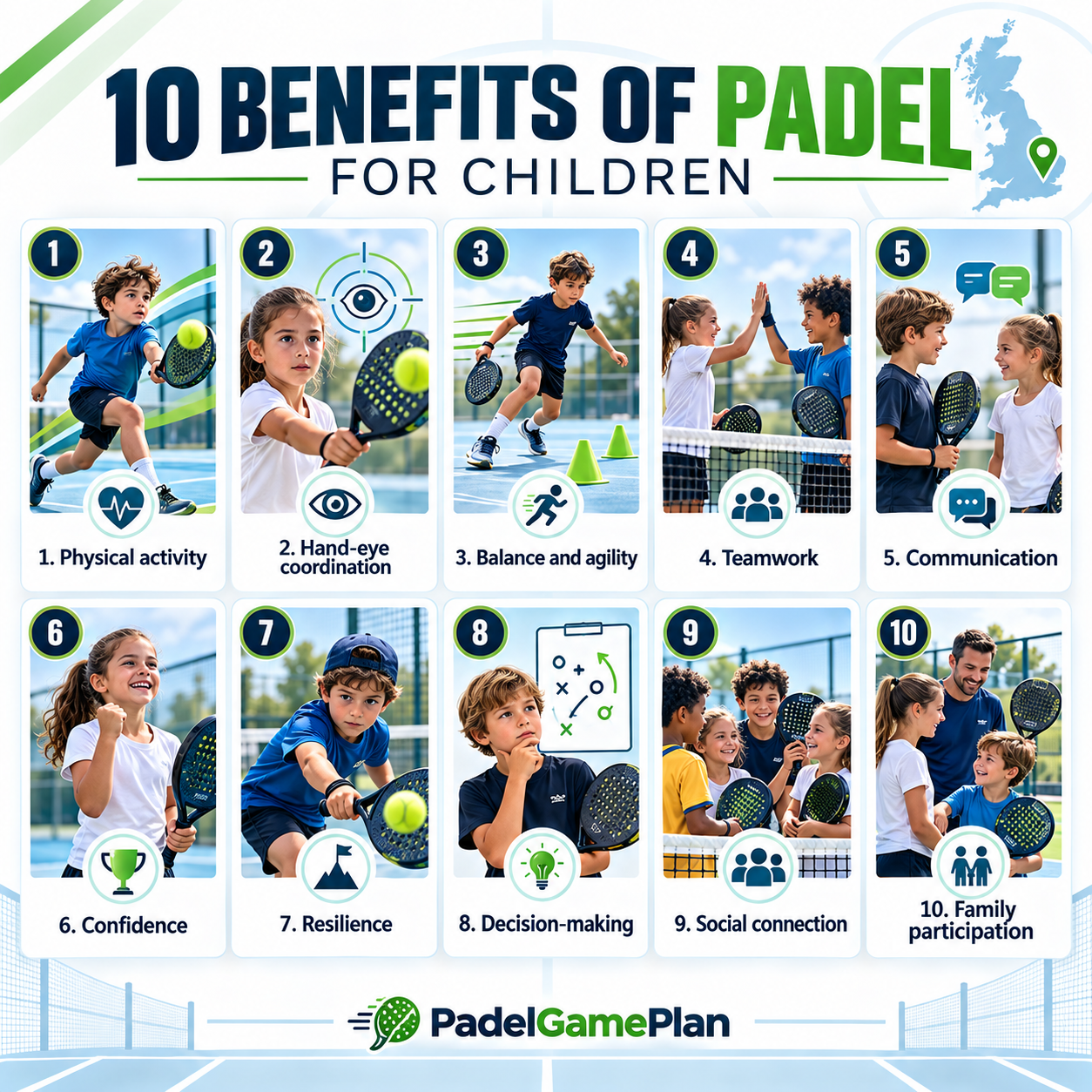
The benefits of padel for children UK parents commonly consider extend beyond physical activity. Age-appropriate sessions can also support coordination, communication, confidence and social development.Regular Physical Activity
Padel includes short runs, changes of direction, reaching and repeated movement. Depending on the intensity and time spent playing, a session can contribute to a child’s weekly physical activity.Hand-Eye Coordination
Children track the ball, judge its height and speed, and time racket contact. Wall rebounds add another visual and movement challenge as skills progress.Balance, Agility and Footwork
Moving forwards, backwards and sideways helps children practise balance and body control. Good junior coaching teaches safe stopping, recovery and positioning rather than simply hitting harder.Teamwork
Because padel is normally played in pairs, children learn to share space, support a partner and understand that both players influence the point.Communication
Simple calls such as “mine”, “yours” and “leave” teach clear communication. Children also learn to encourage a partner and discuss positioning between points.Confidence Through Achievable Progress
Adapted balls, suitable rackets and simple targets can help beginners experience early success. Confidence is more likely to grow when coaching rewards effort, learning and decision-making rather than only winning.Resilience and Emotional Control
Each rally ends quickly and the next point starts soon afterwards. This creates regular chances to reset after a mistake, manage frustration and try a different choice.Focus and Decision-Making
Players decide where to stand, whether to let the ball rebound and where to direct the next shot. These repeated choices can develop concentration and tactical awareness.Social Connection
Group coaching and doubles play create natural interaction. Rotating partners can help children meet other players while learning respectful behaviour on court.A Sport Families Can Share
Parents, carers and older siblings can play on the same court when the activity is adapted to the youngest participant. This can make padel a practical option for active family time.Padel Safety and Safeguarding for Children in the UK
Padel does not involve player-to-player contact, but injuries can still occur through falls, sudden changes of direction, collisions, racket contact or being struck by a ball. The enclosed court should not be described as eliminating risk. Sensible supervision, suitable coaching and clear court rules remain important.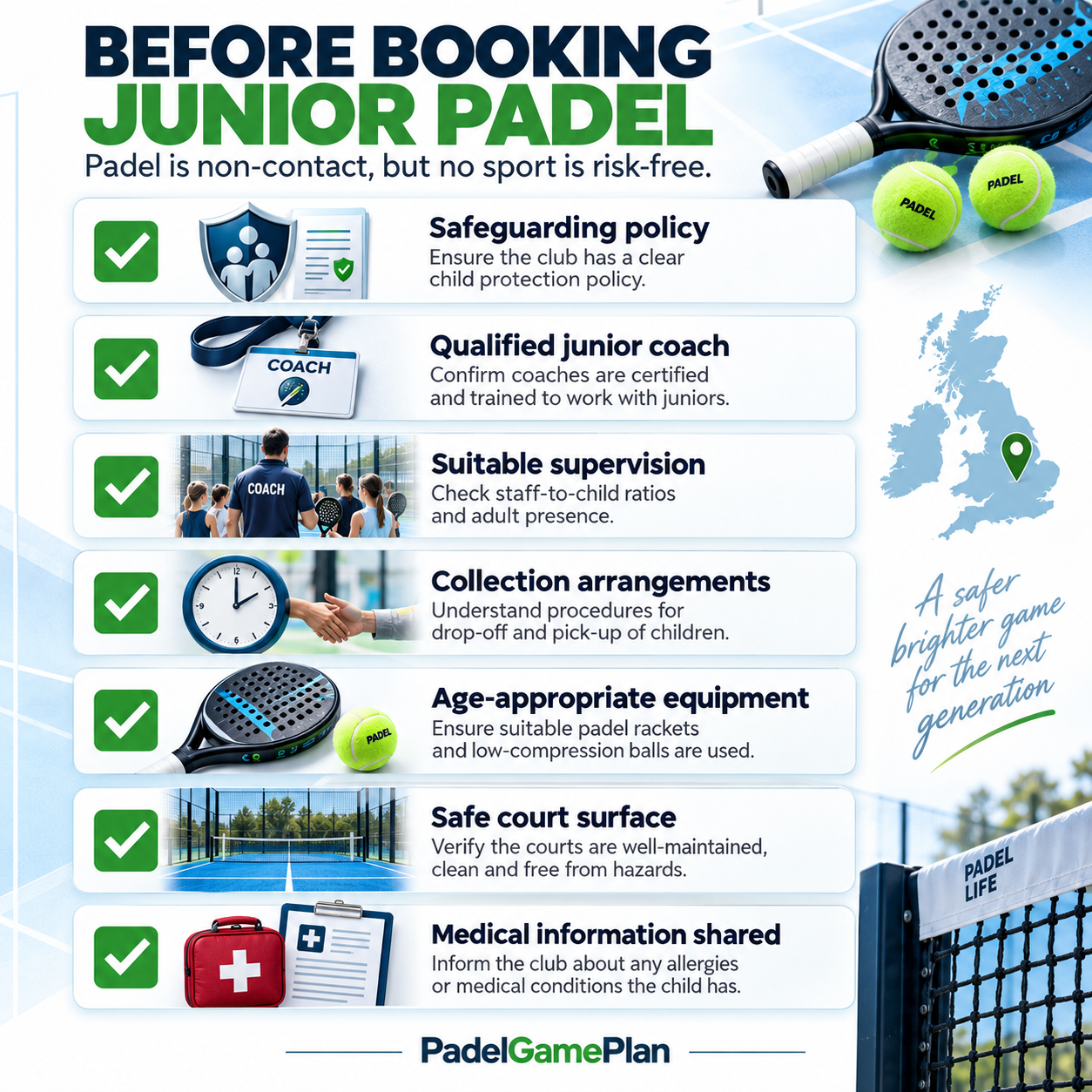
Parent Checklist Before Booking
- Check the venue’s safeguarding policy and how to contact its welfare or safeguarding lead.
- Ask whether the coach is appropriately qualified and experienced with the child’s age group.
- Confirm supervision, collection arrangements and what happens if a session is cancelled.
- Ask whether rackets and slower balls are supplied for beginners.
- Check whether courts are indoor, covered or outdoor and what the wet-weather policy is.
- Tell the coach about relevant medical needs, allergies or previous injuries.
- Make sure the child has suitable trainers, comfortable clothing and water.
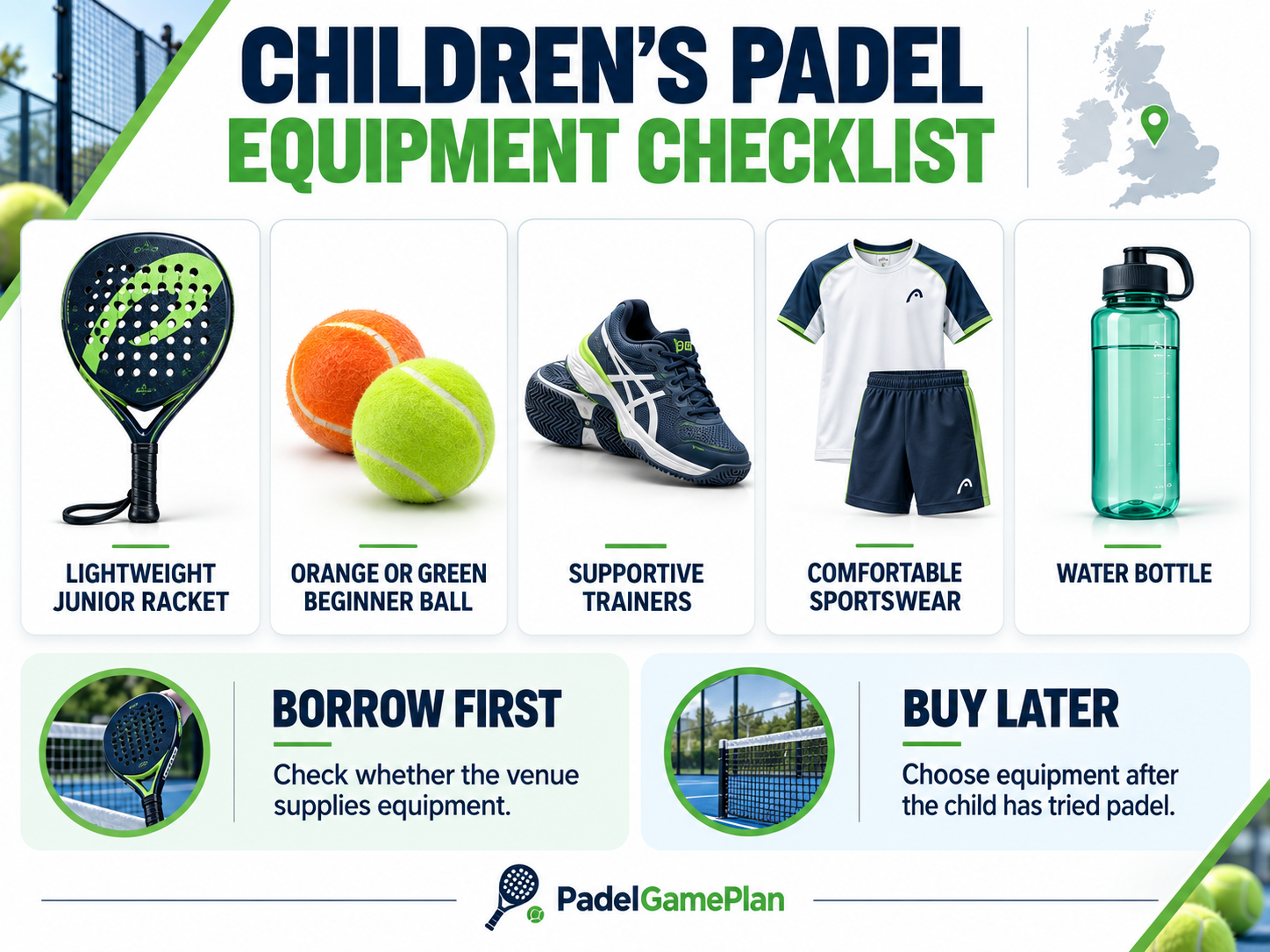
What Equipment Does a Child Need for Padel?
Some product mentions may include affiliate links.| Item | What to Look For | Beginner Advice |
|---|---|---|
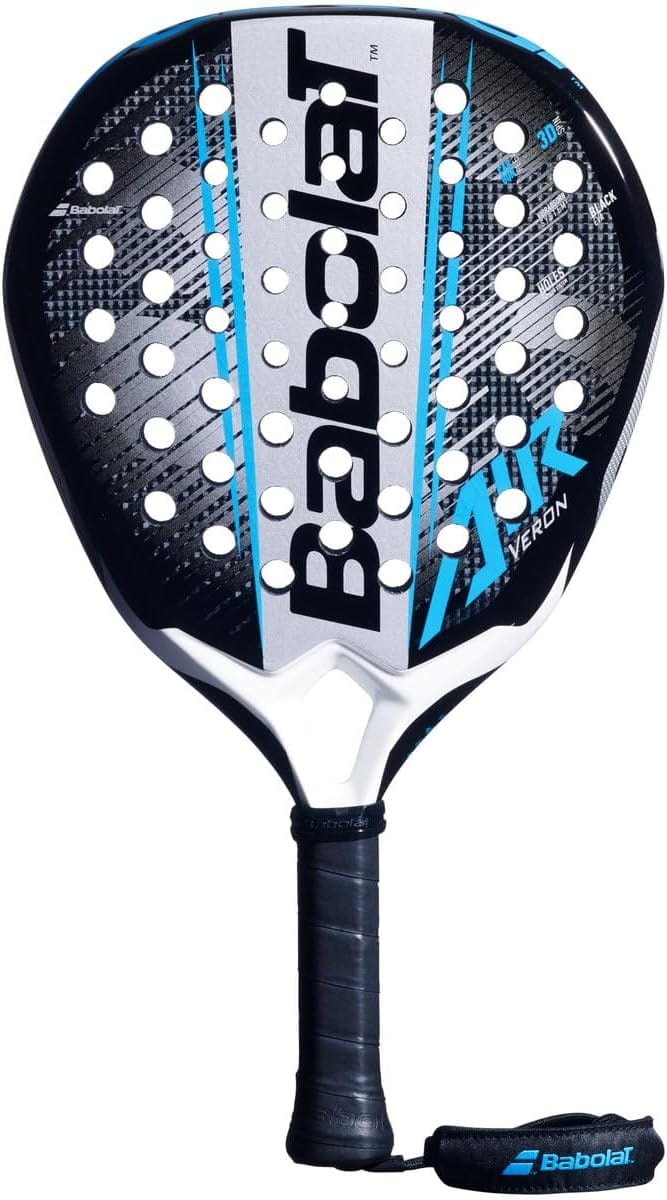
| Junior padel racket | Manageable weight, comfortable grip and age-appropriate size | Borrow or hire first if the venue supplies equipment |
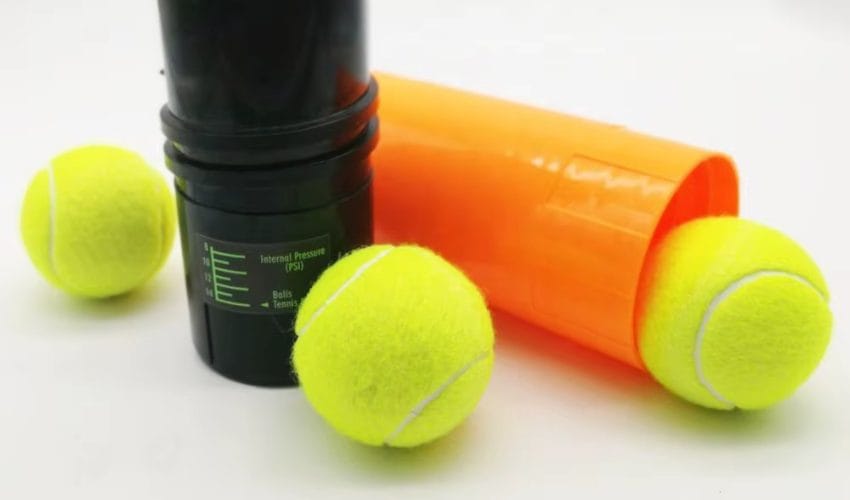
| Padel balls | Standard padel balls for confident juniors; slower orange or green tennis balls for beginners | The LTA recommends orange or green tennis balls as a useful starting option |
| Sports shoes | Comfortable trainers with secure fit, grip and lateral support | Avoid worn, smooth soles that may slip |
| Sportswear | Comfortable clothing that allows free movement | Use layers for cool or changeable UK conditions |
| Water bottle | Easy to identify and large enough for the session | Bring water for indoor and outdoor sessions |
Padel vs Tennis for Children: UK Comparison
When comparing the benefits of padel for children UK parents should also consider tennis, local coaching quality, travel time and cost. Both sports can support fitness, coordination and social development. The better choice depends on the child and which activity they are keen to repeat. For a wider breakdown, read Padel vs Tennis: Key Differences Explained.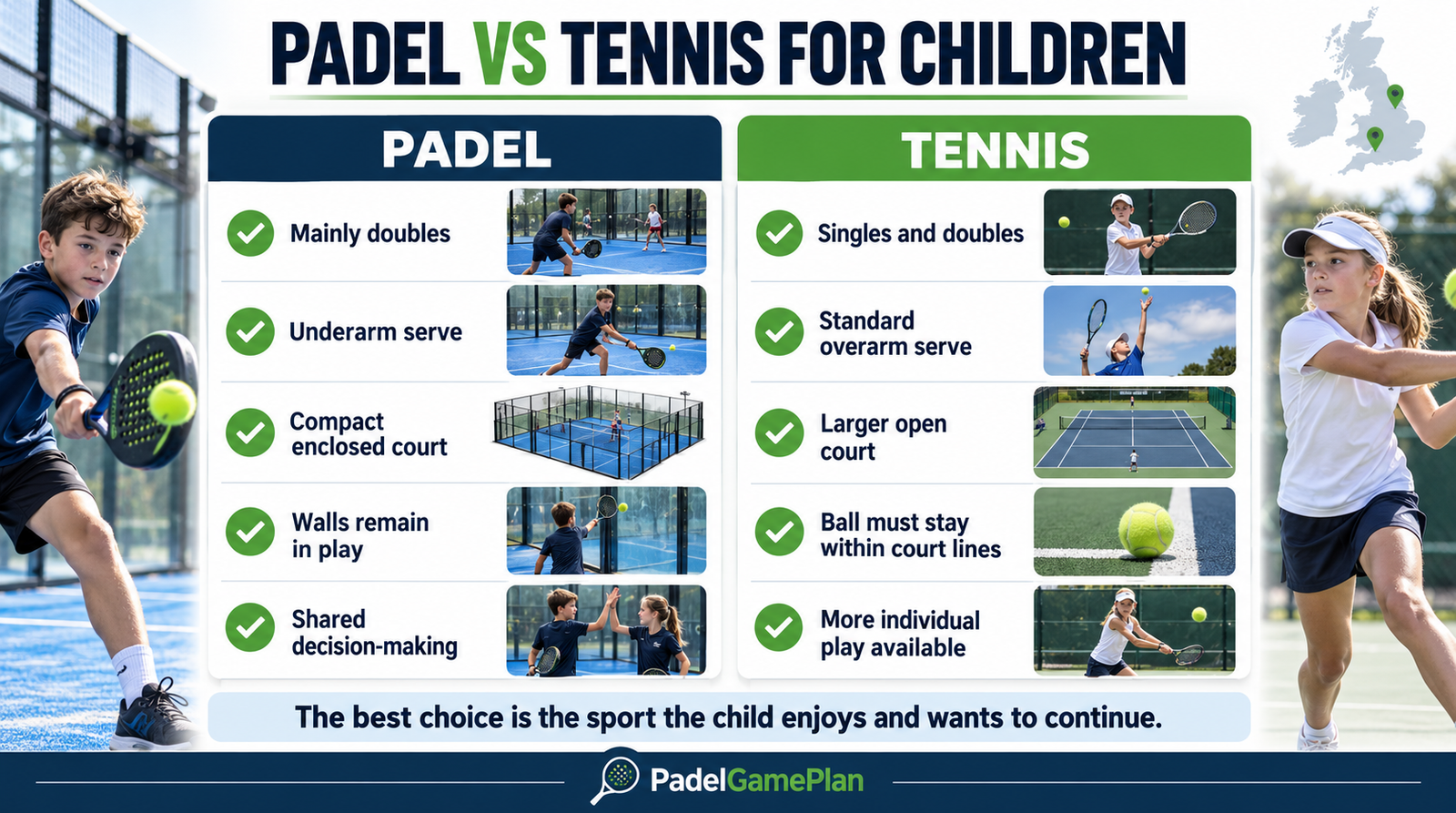
| Factor | Padel for Children | Tennis for Children |
|---|---|---|
| Usual format | Mainly doubles | Singles and doubles |
| Serve | Underarm after a bounce | Overarm is standard, with adapted junior formats available |
| Court | Compact and enclosed, with walls used after the bounce | Larger open court, scaled down in junior programmes |
| Beginner ball options | Orange or green tennis balls can slow play for young beginners | Red, orange and green stages are established in junior tennis |
| Social structure | A partner is involved in most games | Can be individual or team-based |
| Weather planning in the UK | Depends on whether the local court is indoor, covered or outdoor | Indoor and outdoor options vary by venue |
| Best choice | Often suits children who enjoy quick, shared rallies | Often suits children who enjoy singles as well as team formats |
How to Find Padel Coaching for Children in the UK
For parents researching junior padel UK opportunities or comparing kids padel UK programmes, the most useful starting point is a postcode search followed by direct checks with each venue. Padel coaching for children is not offered at every court, and the available age groups may change between school terms.- Use the LTA Padel court finder to search by postcode, town or city.
- Ask nearby venues whether they run junior groups, family sessions, holiday camps or one-to-one lessons.
- Confirm the accepted ages, coach-to-player ratio, session length and whether equipment is included.
- Check the venue’s safeguarding arrangements and wet-weather policy before paying for a term.
- Book a trial session where possible before purchasing a racket or a long coaching block.
Junior Padel Competitions in Britain
Children who enjoy match play can progress into junior competition. The LTA Padel Youth Tour is designed for players aged 9 to 18 and provides an opportunity to earn LTA ranking points. Competition should be introduced when the child understands basic scoring, can start points reliably and wants the extra challenge. A coach can help identify a suitable first event.Weather and Court Type Matter
Outdoor sessions may be affected by rain, wind or slippery surfaces. Covered courts protect against rain but may still be exposed to cold or wind, while indoor courts usually provide the most predictable conditions. Check the venue’s cancellation policy and do not play on an unsafe surface.Related PadelGamePlan Guides
The following links from the original article have been retained. UK readers should check whether location-specific UAE information applies before using it.- Padel for Beginners Guide
- Padel Coaching Hub
- Padel Coaching Guide
- Padel Lessons Guide
- Kids Padel Classes Guide
- Padel Clothing Guide
- Padel Serve Techniques
- Best Padel Rackets for Beginners
- Best Padel Shoes
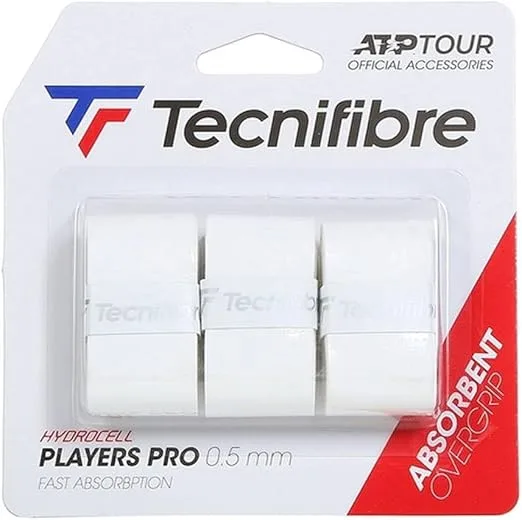
- Best Padel Overgrips
- Best Padel Balls
- Best Padel Ball Pressurisers
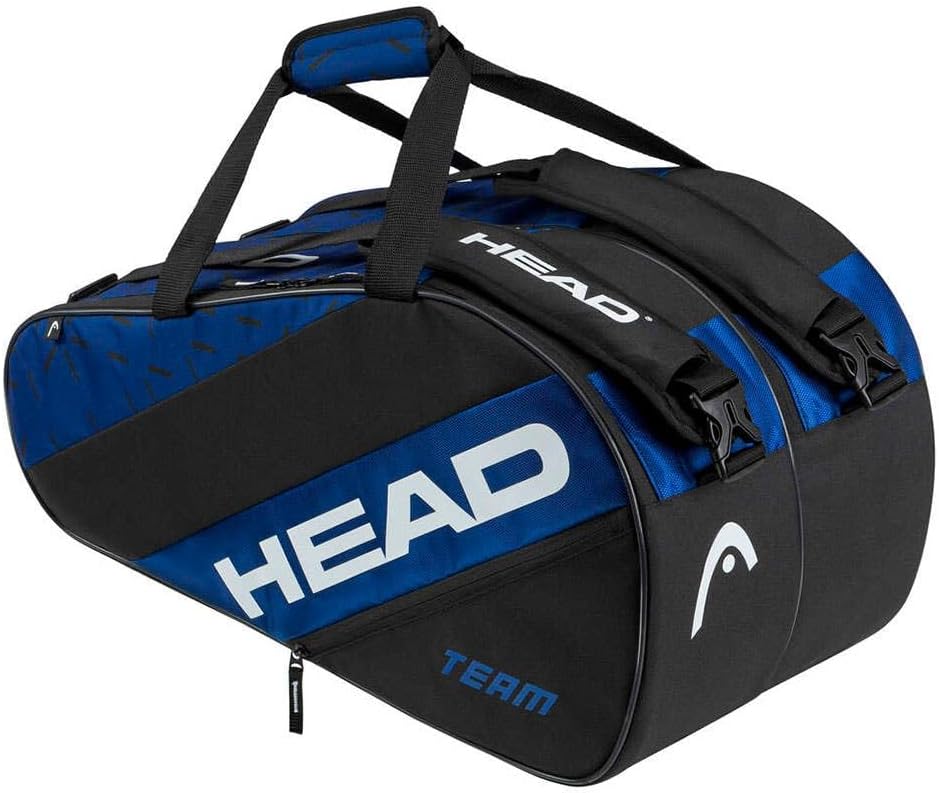
- Best Padel Bags
10 Frequently Asked Questions About Padel for Children in the UK
1. What age can a child start padel in the UK?
The LTA says padel can help children as young as four stay active. Actual minimum ages vary by venue, and younger children need play-based, age-appropriate sessions.
2. Is padel safe for children?
Padel is non-contact, but it is not risk-free. Suitable footwear, adapted equipment, clear court rules, supervision and an age-appropriate warm-up help manage common risks.
3. Does a child need tennis experience before starting padel?
No. Beginner sessions should teach the grip, movement, contact point, serve and basic positioning from the start.
4. What ball should a young beginner use?
The LTA recommends orange or green tennis balls as useful options for children starting padel because they are less pressurised and travel more slowly than standard balls.
5. Does a child need a junior padel racket immediately?
Not always. Many venues lend or hire rackets and balls, so ask what is included before buying equipment.
6. What should children wear for padel in the UK?
Comfortable sports clothing and secure trainers are the basics. Layers are useful in cool conditions, and outdoor sessions may require a light waterproof layer before and after play.
7. Can padel help children meet UK activity guidance?
Yes. An active padel session can contribute towards the recommended average of at least 60 minutes of moderate or vigorous physical activity per day across the week for ages 5 to 18.
8. Is padel or tennis easier for children?
Some beginners find padel’s compact court, underarm serve and doubles format approachable. Others prefer tennis. A trial lesson in each sport is a practical way to compare.
9. Are there junior padel competitions in Britain?
Yes. The LTA Padel Youth Tour serves players aged 9 to 18, while local venues may also run social matches and junior events.
10. How can parents check a junior padel programme?
Ask about coaching qualifications, age groups, safeguarding, supervision, equipment, court type, weather cancellations and trial sessions. The LTA provides official court, coach and safeguarding resources.