Padel Clothing UK 2026: What to Wear, 7 Essentials & Best Brands
By the Padel Gameplan Editorial Team | Published: 25 Jul 2026 | Updated: 20 Sep 2026
This Padel Clothing UK 2026 guide covers 7 essentials, practical padel outfits and the best brands for men and women. Suitable clothing should be breathable, flexible and appropriate for the court conditions, but a specialist wardrobe is not required for most sessions.
This guide explains what to wear for padel in the UK, compares seven essential clothing categories and highlights established padel clothing brands for men and women. It also covers indoor and outdoor outfits, seasonal layering and whether tennis clothes can be worn for padel.
What to Wear for Padel in the UK: Quick Answer
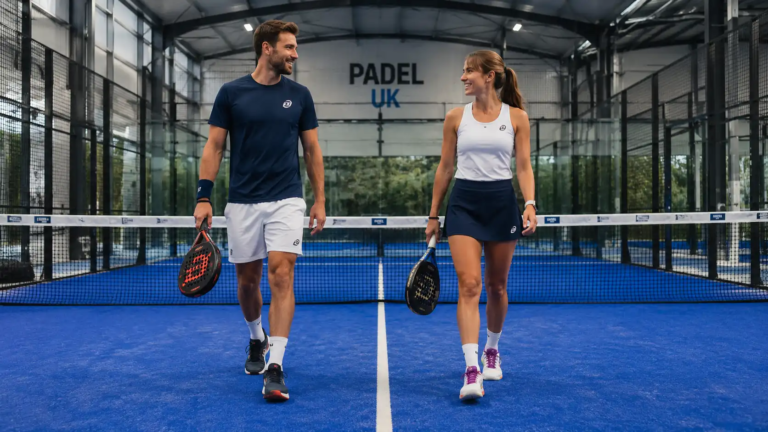
For a first padel session, wear a breathable performance top, flexible shorts, leggings, a skirt or skort, sports socks and suitable court shoes. Tennis clothes and other comfortable sportswear are normally fine. On outdoor or covered UK courts, bring a lightweight layer that can be removed after warming up.
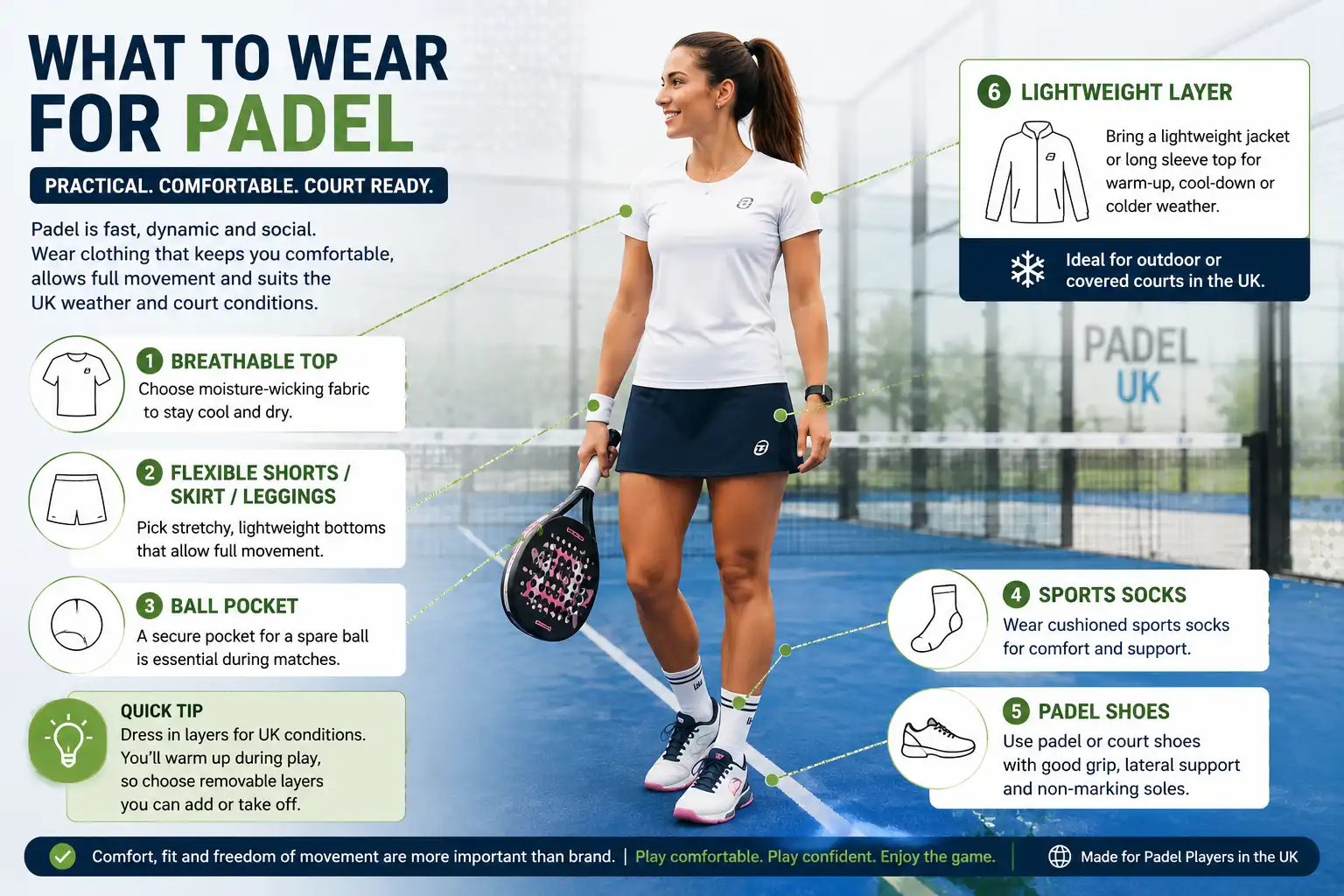
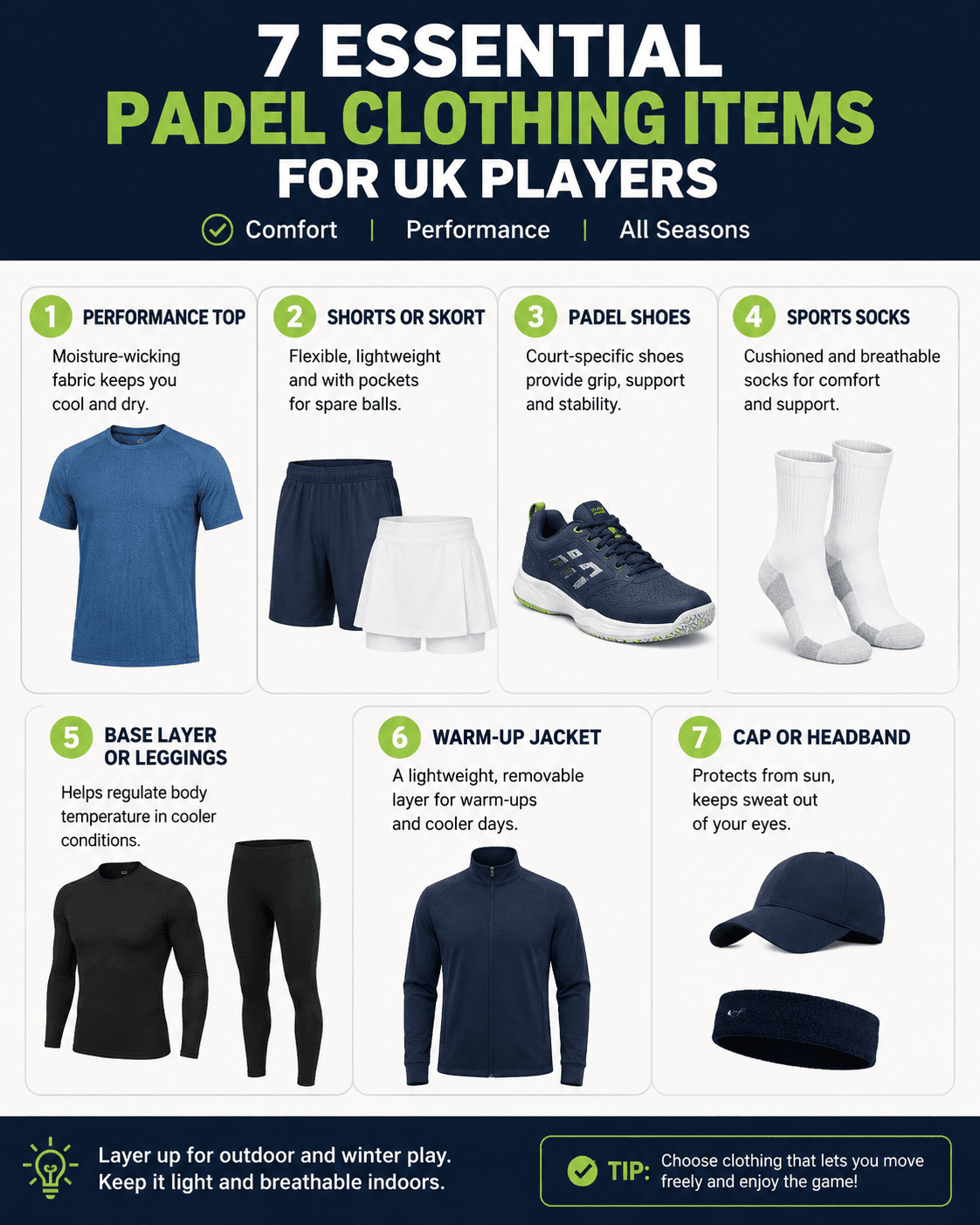
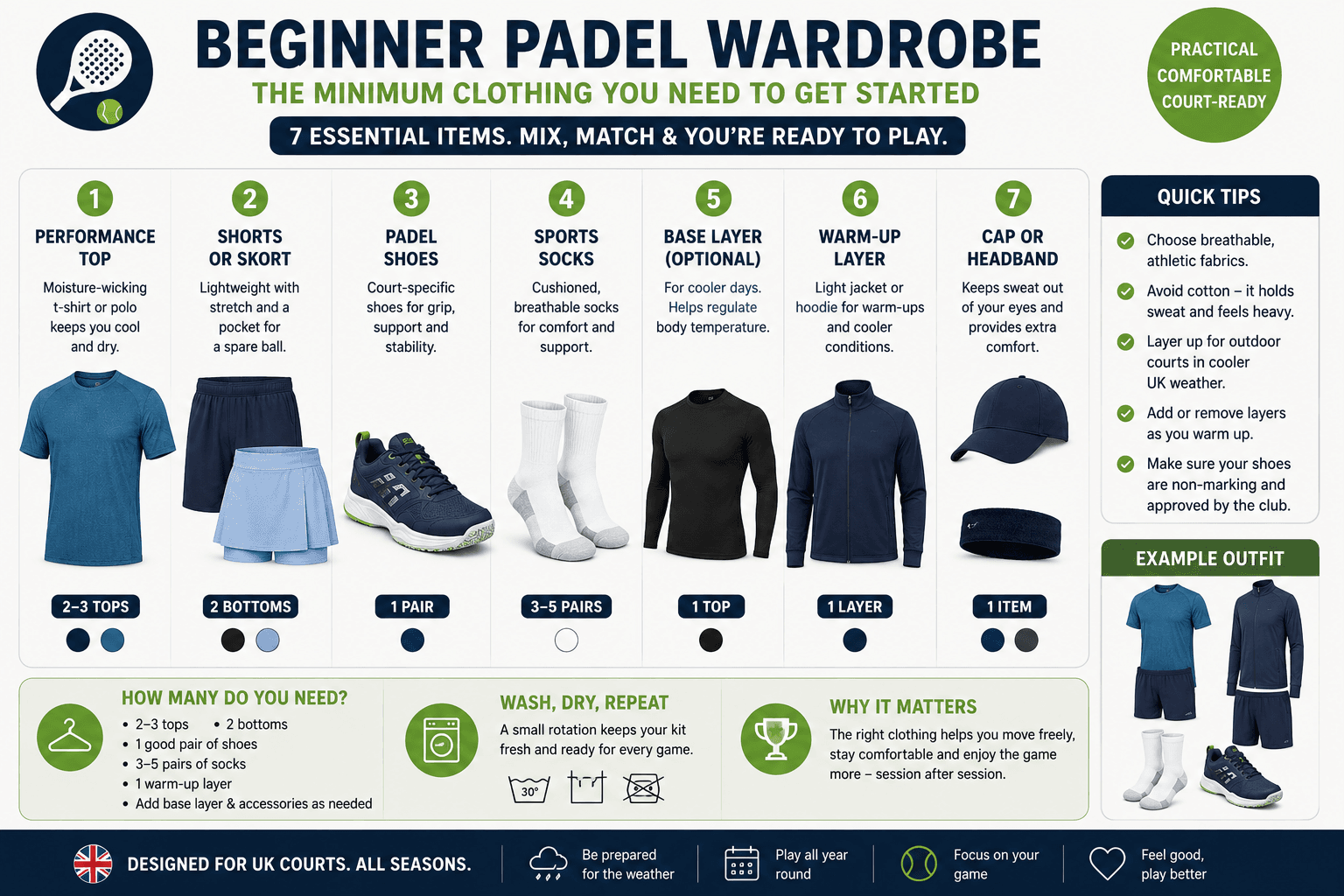
The most useful padel clothing for UK players generally falls into seven categories: a moisture-wicking top, flexible shorts or a skirt with pockets, suitable padel or court shoes, comfortable sports socks, an optional base layer or leggings, a removable warm-up layer, and weather-appropriate accessories such as a cap or headband. Together these cover indoor, covered and outdoor play across the UK calendar.
Players preparing for their first session can also use the padel starter kit UK guide to understand the other equipment they may need.
What to Wear for Padel in the UK: Outfit Guide
A practical first-session outfit does not need to be padel-branded. Many players start in clothing they already own and add padel-specific items later as they play more regularly.
Men’s Padel Clothing and Outfit Ideas
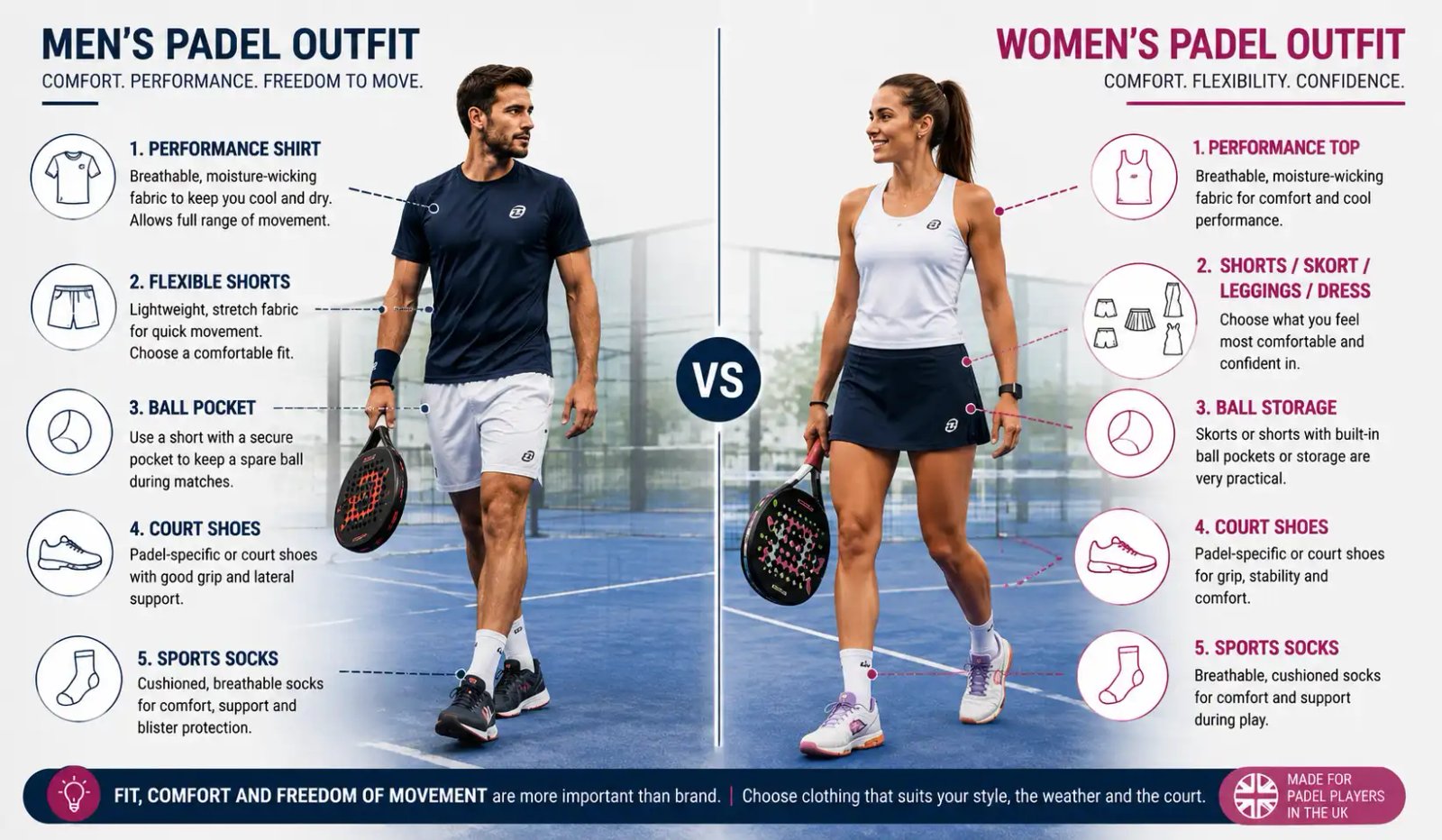
For most players, men’s padel clothing can be kept simple: a lightweight performance t-shirt or polo, flexible shorts and suitable court shoes. Shorts with at least one secure pocket are especially useful because players often keep a spare ball ready when serving.
In warmer indoor sessions, breathable short-sleeved tops and lightweight shorts are usually the most practical combination. For cooler outdoor or covered UK courts, a long-sleeved performance top or lightweight training layer can be added before and after play.
There is no need to buy an entirely padel-specific outfit. Tennis clothing and other court sportswear can work well provided it allows unrestricted shoulder movement, side steps and lunges.
Women’s Padel Clothing and Outfit Ideas
Women’s padel clothing can include performance tops paired with shorts, leggings, skirts or skorts, while padel dresses are another option for players who prefer an all-in-one outfit. The best choice depends mainly on comfort, freedom of movement, preferred coverage and the conditions at the court.
Shorts and skorts with integrated ball storage can be particularly practical during matches. Stretch leggings are also useful for cooler UK sessions, while lighter shorts, skirts and dresses may feel more comfortable during warmer indoor play.
As with men’s clothing, padel-specific apparel is optional. Suitable tennis clothing can usually be worn for padel as long as it is comfortable during repeated lateral movement and does not restrict reaching, turning or lunging.
Indoor Padel Outfit
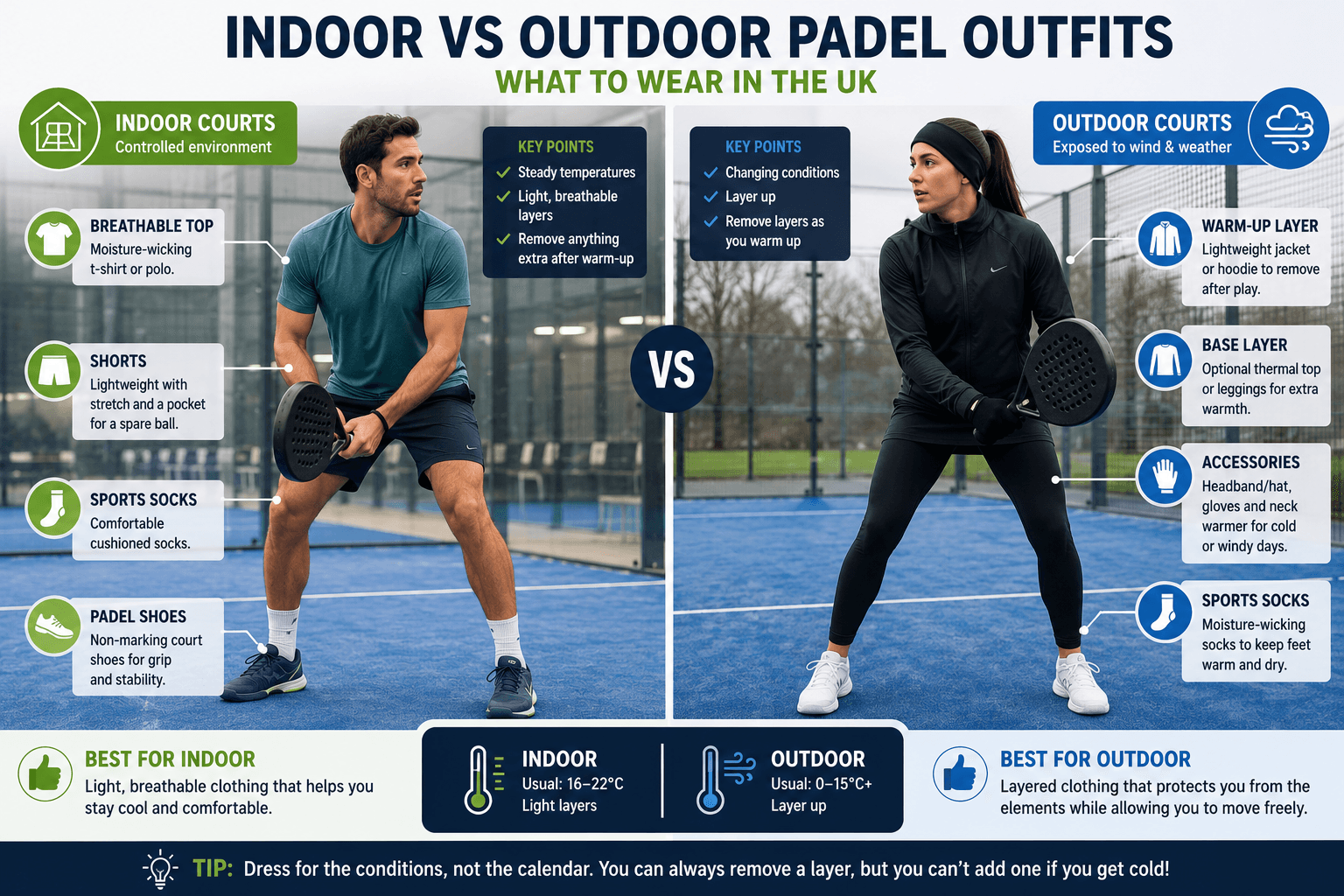
Indoor centres are generally designed to offer more consistent conditions than outdoor courts, though the exact temperature varies by venue and by how busy the hall is. A single breathable layer during play is often sufficient. Many indoor venues still feel cool before players warm up, so a light layer to remove after the first few rallies is a practical addition.
Outdoor Padel Outfit
Covered courts are sheltered from rain but not from outside temperature, so a removable jacket for warm-up is useful for most of the year. Fully outdoor courts add wind and, depending on the season, sun or cold to the equation, so layering matters more here than indoors.
Ordinary tennis clothing or suitable gym clothing is often adequate for a first session, provided it stretches, breathes and includes somewhere to store a ball.
Beginner Padel Outfit Checklist
- Moisture-wicking top
- Shorts, skort or leggings with a usable pocket
- Padel shoes or suitable non-marking court shoes approved by the venue
- Sports socks
- Removable layer for warm-up and cool-down
Best Padel Clothing Brands in the UK: Quick Comparison
Several sports brands now offer clothing designed or marketed specifically for padel, while others sell tennis and court apparel that works equally well for recreational play. When comparing padel clothing brands, the most useful factors are usually fabric comfort, freedom of movement, breathability, pocket design and UK availability rather than the logo alone.
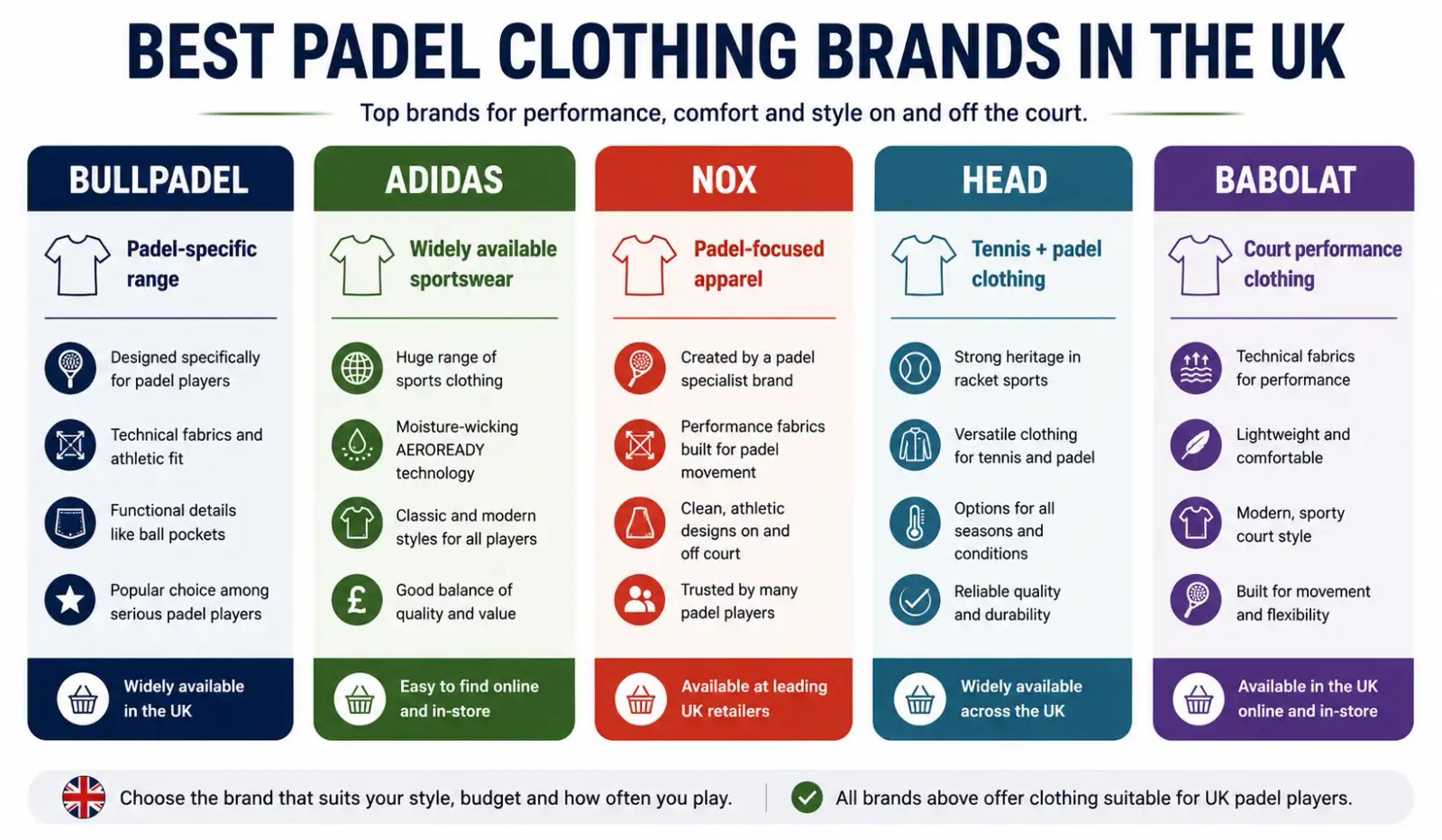
Popular brands seen across padel clothing ranges include Bullpadel, adidas, NOX, HEAD and Babolat. Each offers different styles of tops, shorts, skirts, dresses and training layers, although ranges and UK stock can change throughout the year.
| Brand | Common Padel Clothing | Good For |
|---|---|---|
| Bullpadel | Padel shirts, shorts, skirts, dresses and jackets | Players wanting a padel-specific clothing range |
| adidas | Performance tops, shorts, skirts and training layers | Players who want widely available performance sportswear |
| NOX | Padel shirts, shorts and training apparel | Players who already use NOX padel equipment |
| HEAD | Court tops, shorts, skirts and warm-up clothing | Players wanting versatile tennis and padel clothing |
| Babolat | Performance tops, shorts, skirts and court apparel | Players wanting lightweight court sportswear |
Which brand is best? Bullpadel and NOX are useful starting points for padel-specific ranges. adidas, HEAD and Babolat are practical alternatives for players who prefer widely available court clothing. Fit, fabric and usable ball storage matter more than choosing one logo.
Do You Need a Padel-Specific Clothing Brand?
No. You do not need to buy clothing from a dedicated padel brand to play comfortably. Suitable tennis or general court sportswear can work perfectly well if it provides enough stretch, breathability and freedom of movement.
Padel-specific ranges can be useful because they may include features such as deeper ball pockets, lightweight technical fabrics and designs intended for court movement, but these are practical advantages rather than requirements.
Why Clothing Choice Matters in Padel
Padel involves repeated lateral movement, split steps, lunges and overhead shots. The court walls can extend rallies by returning balls that would normally leave the playing area in some other racket sports, and players often carry a spare ball in a pocket while serving. Body temperature also shifts quickly during a session, rising during a rally and dropping again between points or games.
Clothing that restricts the shoulders or hips can make it harder to reach overhead shots or move into a low, balanced position for a volley. Denim, heavy cotton and loose, non-athletic garments tend to be impractical rather than dangerous: they can restrict movement, trap moisture, and become uncomfortable once damp. Clothing does not prevent injury on its own, and no single garment can guarantee safety on court, but comfortable, well-fitting sportswear supports the kind of free movement that padel demands.
What to Look for in Padel Clothing UK Players Can Use Year-Round
Moisture-Wicking Fabrics
Most padel-specific and general performance clothing uses polyester, polyamide (nylon) or elastane, often blended together. Brand documentation from sportswear manufacturers, such as Adidas’s description of its AEROREADY moisture-wicking technology, describes these synthetic fibres as designed to move sweat away from the skin to the fabric surface, where it can evaporate more quickly than it would from cotton. Specific fabric percentages and finishes vary by product and brand, so it is worth checking the garment label rather than assuming a fixed ratio or technology applies across the market.
Cotton can feel comfortable for light, casual use, but it tends to absorb sweat, become heavier as a session goes on, and feel cold once play stops and the body cools down. For UK conditions, where indoor halls can be warm and outdoor courts can turn cool quickly between points, this is a practical consideration rather than a strict rule.
Stretch and Range of Motion
Padel demands mobility through the shoulders and hips, quick side-to-side steps, and frequent squatting or lunging to reach low balls. Clothing with a four-way stretch or added elastane typically moves with these actions rather than resisting them. A secure but non-restrictive fit, particularly around the waistband and shoulders, helps garments stay in place during fast direction changes.
Breathability and Temperature Regulation
Because UK padel sessions can involve a cool start and a much warmer middle section, breathable base garments paired with removable layers tend to work better than a single heavy item. This balance is discussed further in the layering section below.
Pockets and Ball Storage
Deep, secure pockets in shorts, skirts or dresses are useful because many players carry a second ball while serving, rather than asking a partner to hold it or leaving it at the back of the court. Shorts designed primarily for running sometimes have shallow or absent pockets, which can be inconvenient during a match.
Seams, Waistbands and Comfort
Flat or low-profile seams reduce the chance of chafing during repeated movement. Waistbands with a drawcord or a wide elastic band tend to stay in place better during lunges and side steps than a narrow, purely elastic waistband. Garments that shift or need constant adjustment can be distracting during play.
Layering for UK Weather
A simple three-part system works for most UK sessions:
- A moisture-managing base garment, such as a breathable top and shorts or leggings
- An optional insulating mid-layer, such as a long-sleeved top, for cooler indoor or covered courts
- A lightweight outer layer, such as a shower-resistant jacket or hoodie, worn before and after play rather than during active rallies
Heavy outer layers are normally removed once players warm up, since padel raises body temperature quickly even at a recreational pace.
| Feature | Performance sportswear | Standard cotton clothing | Why it matters for padel |
|---|---|---|---|
| Moisture management | Designed to move moisture across the fabric surface and dry faster than standard cotton | Absorbs and holds moisture | Affects comfort during longer rallies |
| Drying speed | Generally dries faster | Generally dries more slowly | Relevant for back-to-back sessions or changing between sets |
| Weight when damp | Stays relatively light | Becomes noticeably heavier | Extra weight can feel uncomfortable during movement |
| Stretch | Often includes elastane for four-way stretch | Limited stretch in most weaves | Affects lunges, split steps and overhead reach |
| Comfort during activity | Designed to support moisture evaporation and airflow during activity | Can feel cold once wet and stationary | Matters between points and during breaks in cooler UK conditions |
| Suitability for regular play | Widely used for frequent training and matches | More commonly used for casual or occasional wear | Frequency of play affects how much fabric performance matters |
| Washing and drying convenience | Often quick-drying, but always check the care label | Usually straightforward to wash, but slower to dry | Relevant for players who train several times a week |
Swipe horizontally on smaller screens to view the full table.
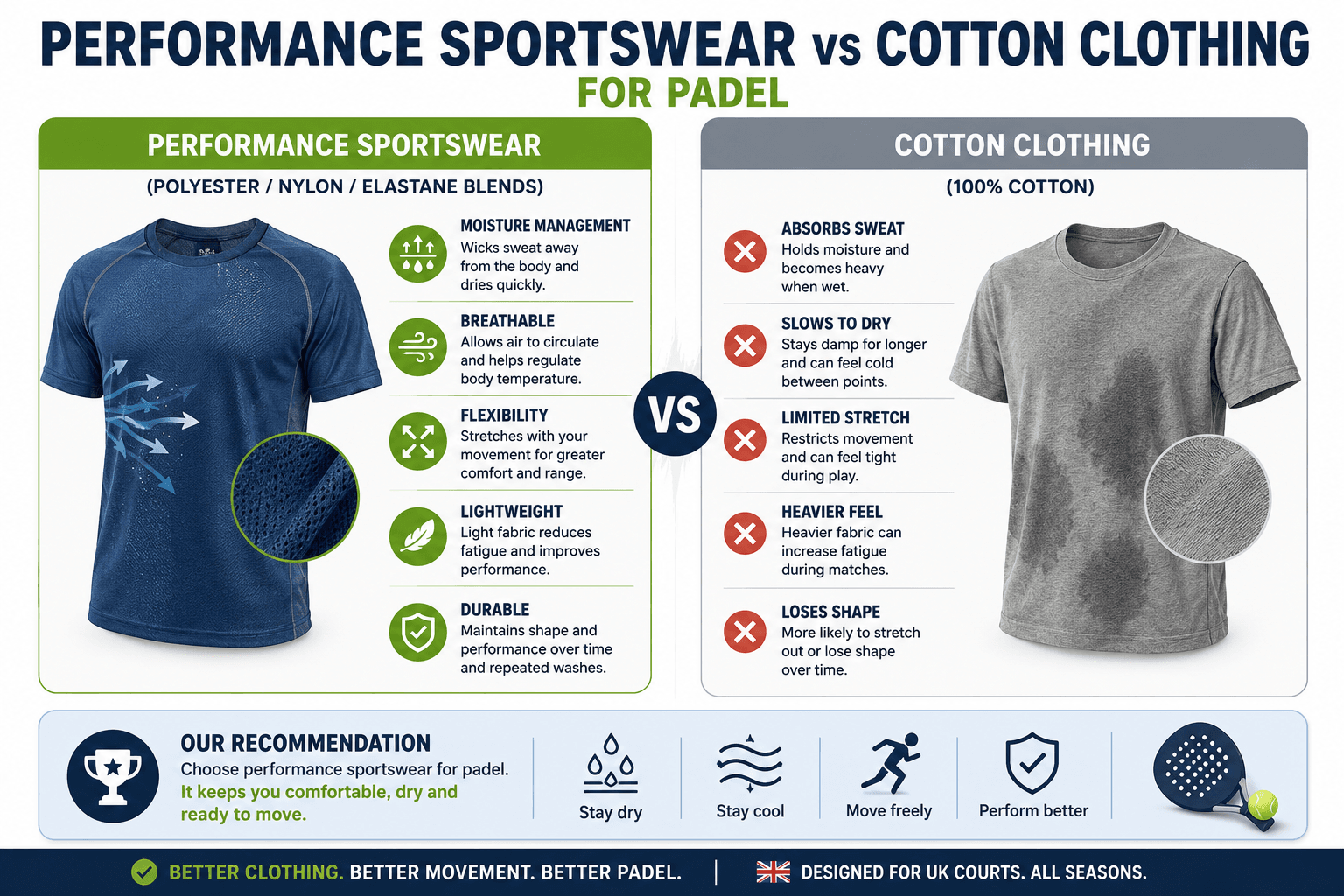
Cotton is not unsuitable or unsafe for padel. It is simply less practical for intensive sessions or cold-weather play, where moisture-wicking fabrics tend to offer a more comfortable experience.
The 7 Essential Padel Clothing Items for UK Players
Some product mentions may include affiliate links.
The seven categories below cover the most useful parts of a complete UK padel outfit, although beginners may already own several of them and do not need to purchase every item before their first session. They span the main categories used by beginners, regular club players, indoor players, and outdoor players across a UK summer and winter. The checklist and table further down in this article separate what is genuinely essential from what is useful or optional.
1 Padel Shirts and Moisture-Wicking Tops
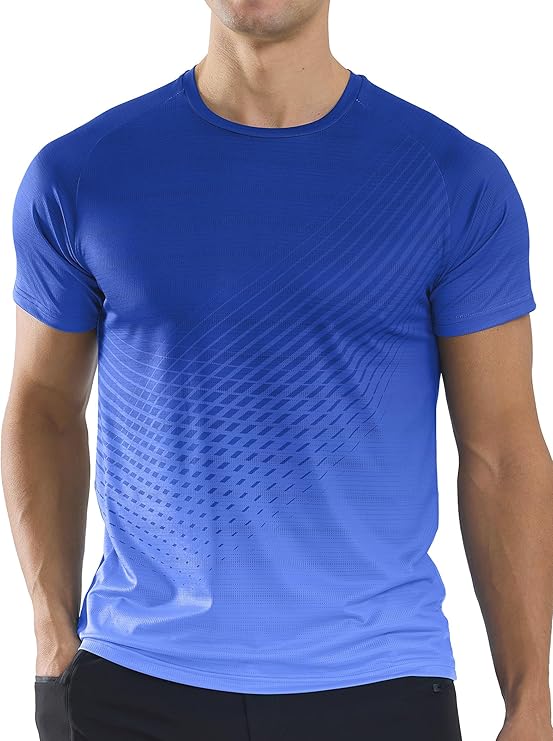
A lightweight, breathable padel shirt or performance top is one of the most useful pieces of padel clothing. Look for fabric that allows comfortable shoulder movement and helps move perspiration away from the skin during longer rallies.
Padel-specific shirts are available from many brands, but ordinary tennis or performance sports tops can work equally well. Heavy cotton is generally less practical once it becomes damp, especially during long indoor sessions or warmer summer play.
A beginner does not need a shirt labelled specifically for padel. A suitable tennis shirt or general performance t-shirt with similar fabric properties can work just as well for early sessions.


Swipe horizontally on smaller screens to view all products.
View men’s padel and performance t-shirts on Amazon UK.
2 Men’s Padel Shorts
Padel shorts for men generally combine stretch fabric, a secure waistband and at least one deep pocket for ball storage. A practical length allows free movement through lunges and side steps without restriction, and some shorts include an optional inner liner. Running shorts can be used in a pinch, but their pockets are often too shallow to hold a padel ball securely during a rally, which can be inconvenient mid-match.


Swipe horizontally on smaller screens to view all products.
View men’s padel and tennis shorts on Amazon UK.
3 Women’s Padel Tops
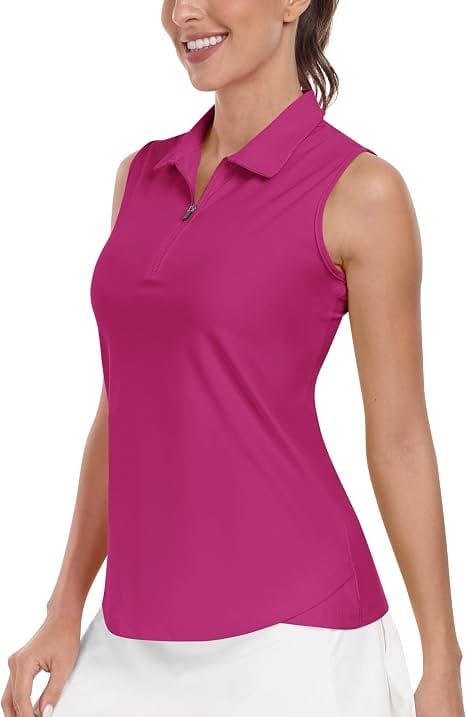
Women’s padel tops are usually designed with shoulder freedom and breathability as priorities, since overhead shots require a full range of motion. Racerback and sleeved styles are both common, and many players layer a fitted top over a separate sports bra suited to their own comfort and support preferences. Some manufacturers build support directly into a top, but this should only be relied upon where the brand specifically states this feature. Fit is largely a matter of personal preference, and the same top can typically be worn on indoor or outdoor courts depending on the season.


Swipe horizontally on smaller screens to view all products.
View women’s padel and performance tops on Amazon UK.
4 Women’s Padel Shorts, Skirts and Skorts
Good padel shorts, skirts and skorts should allow unrestricted lateral movement while providing enough stretch for lunges, low defensive shots and quick changes of direction. A secure pocket or integrated ball storage is especially useful because players often carry a spare ball while serving.
Men commonly choose lightweight performance shorts, while women may prefer shorts, a padel skirt, skort or dress depending on comfort and personal preference. Padel-specific bottoms are useful but not essential; suitable tennis clothing can work equally well if the fabric stretches comfortably and the pocket design is practical for court play.
- Shorts – a straightforward, flexible option with visible pockets
- Skorts – a skirt with built-in shorts underneath for coverage and pocket storage
- Skirts with integrated shorts – similar to a skort, often marketed under the skirt name
- Dresses – a one-piece option combining top and bottom, often with a built-in short
- Leggings – full-length coverage, useful in cooler weather or for players who prefer more coverage on the legs
Ball storage, coverage and seasonal suitability all vary between these options, so the right choice comes down to personal preference rather than any fixed standard.


Swipe horizontally on smaller screens to view all products.
View padel skorts on Amazon UK and padel dresses on Amazon UK.
5 Padel Shoes and Court Trainers
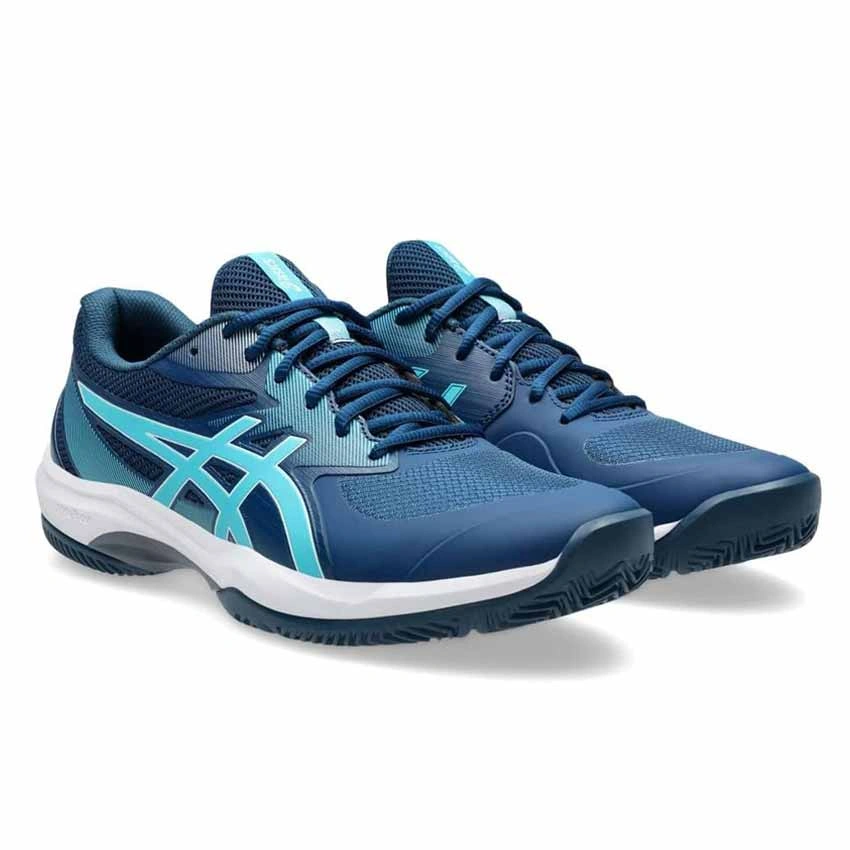
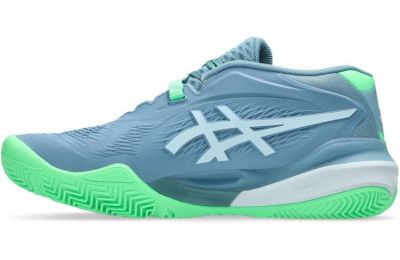
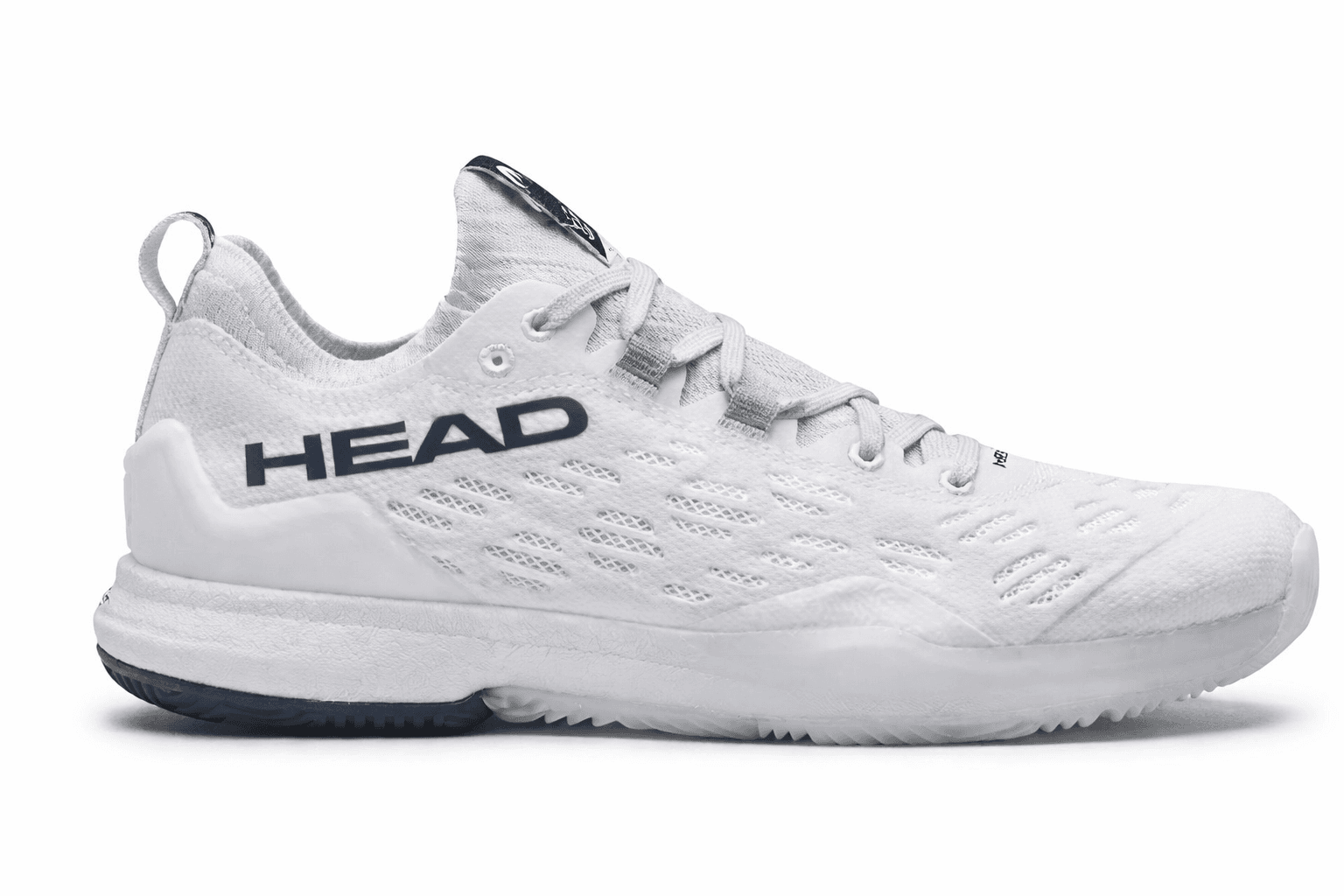
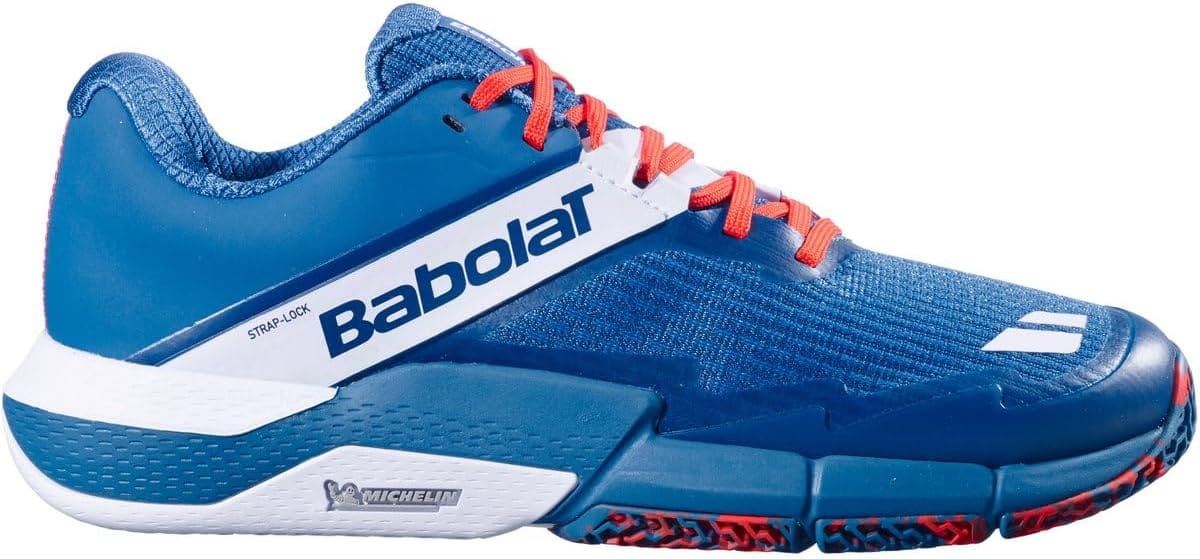
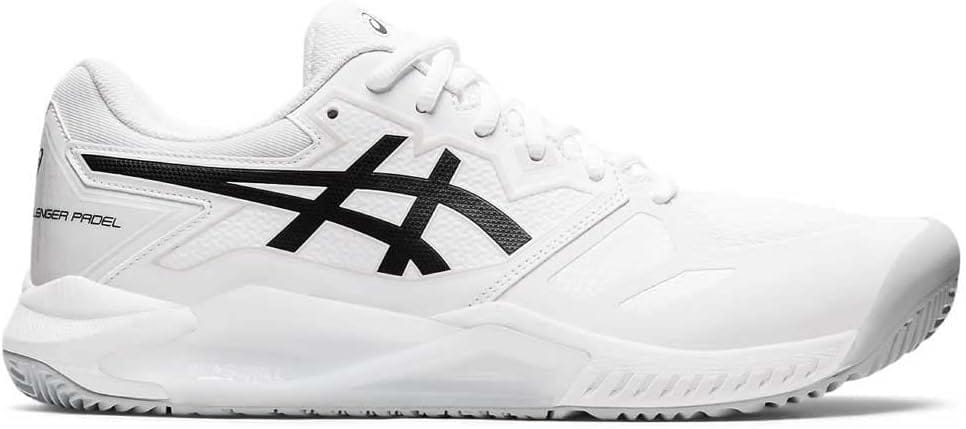
Shoes are footwear rather than clothing, but no padel clothing guide is complete without them. Footwear is one of the more important specialised purchases for regular players, and ASICS’s UK padel guidance explains why: padel shoes are generally built with lateral support for repeated side-to-side movement, court-specific traction, and cushioning suited to hard court surfaces. Running shoes are generally considered less suitable for regular padel, since their outsoles and support structures are designed primarily for forward motion rather than the frequent lateral cuts padel requires.
Suitable non-marking court shoes approved for the venue surface are a reasonable starting point for a beginner who does not yet own padel-specific footwear. No single outsole pattern suits every UK court, since surfaces vary between artificial turf, sand-infill courts and hard indoor flooring. Players should check with their venue about the surface used and any footwear requirements before assuming any one shoe type is appropriate.
Swipe horizontally on smaller screens to view all products.
For a detailed comparison of current options, see best padel shoes UK.
6 Base Layers, Leggings and Compression Clothing
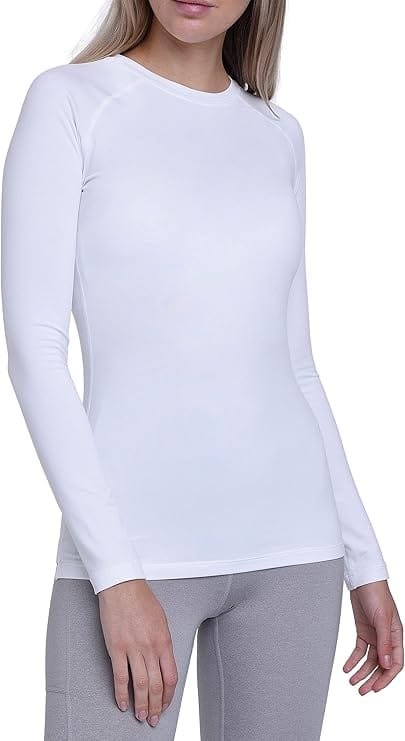
Base layers, leggings and compression garments are optional rather than essential for most players, but they are commonly used during colder UK sessions. Tights or leggings can be worn beneath shorts for extra warmth, or as standalone bottoms on their own. Moisture management and fit are the main considerations, in line with the fabric guidance covered earlier in this article.
Some manufacturers market compression clothing with claims around circulation or recovery. The evidence for these specific benefits is limited and mixed, and any reported improvement in comfort or recovery is best treated as subjective rather than guaranteed. This article does not claim that compression clothing prevents injury, improves circulation or speeds up recovery.


Swipe horizontally on smaller screens to view all products.
View thermal base layers on Amazon UK.
7 Socks, Caps, Headbands and Warm-Up Layers
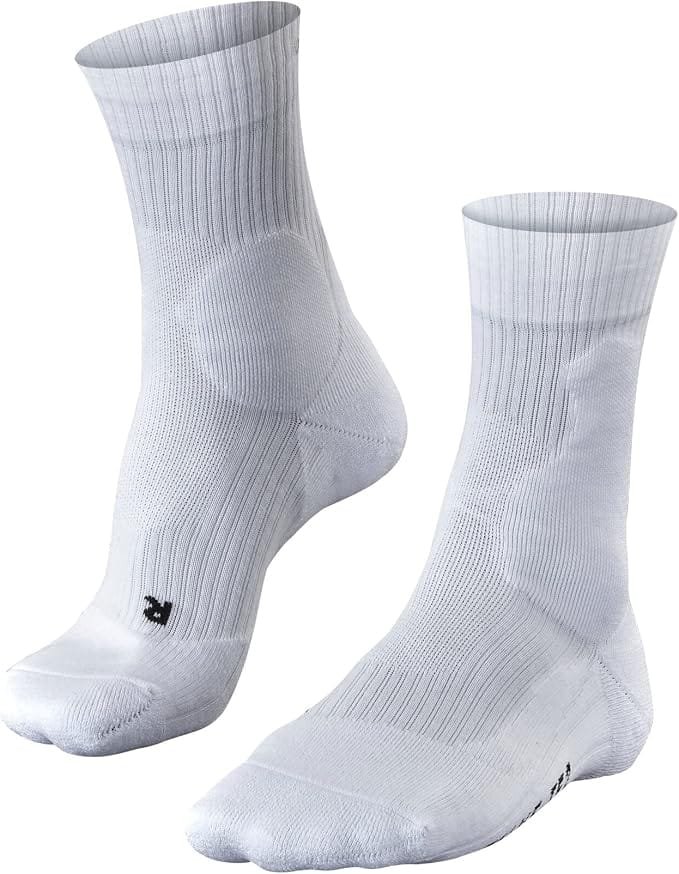
Socks: Sports socks with some cushioning and moisture management help keep feet comfortable inside court shoes during a session, and a snug fit inside the shoe may help reduce friction, though no sock can fully guarantee blister prevention.
Padel socks may seem like a small part of an outfit, but they can make a noticeable difference to comfort during longer sessions. Look for sports socks that fit securely inside your shoes, manage moisture and do not bunch or slide during repeated lateral movement.
Ankle and crew-length socks can both work for padel, so the best choice mainly depends on personal preference and shoe fit. Players who experience rubbing may prefer slightly thicker or cushioned sports socks, while lightweight options may feel more comfortable during warmer indoor sessions.
Caps and visors: Useful for outdoor play, particularly for managing sun and glare during lobs and overhead shots. A secure, well-fitted cap also helps in windier outdoor conditions common on UK courts.
Wristbands and headbands: Commonly used to manage sweat around the hands and forehead, which can make grip and visibility more comfortable during longer rallies.
Warm-up layers: Quarter-zips, lightweight hoodies, track jackets and shower-resistant outer layers are all practical for UK conditions, where courts can be cool before play begins and after it ends. Restrictive or heavy outer clothing is generally removed before active play starts.


Swipe horizontally on smaller screens to view all products.
View padel and sports socks on Amazon UK.
Padel Clothing Checklist and Comparison Table
| Item | Main purpose | Features to prioritise | Priority for beginners | Best UK use |
|---|---|---|---|---|
| Men’s performance top | Moisture management and shoulder freedom | Wicking fabric and mesh ventilation | Essential category; a padel-specific version is optional | Indoor and outdoor, year-round |
| Men’s shorts | Movement and ball storage | Stretch, a secure waistband and usable pockets | Essential category; a padel-specific version is optional | Indoor and outdoor, year-round |
| Women’s top | Shoulder freedom and breathability | Comfortable fit, ventilation and preferred sleeve length | Essential category; a padel-specific version is optional | Indoor and outdoor, year-round |
| Women’s shorts, skort or dress | Coverage and ball storage | Pockets, stretch and personal fit preference | Essential category; a padel-specific version is optional | Indoor and outdoor, year-round |
| Padel shoes or suitable court shoes | Lateral support and court traction | Suitable non-marking sole for the venue, cushioning and secure fit | High priority for regular play | Indoor, covered and outdoor courts |
| Base layer or leggings | Warmth in cooler conditions | Stretch and moisture management | Optional | Cold outdoor and covered courts |
| Socks and accessories | Comfort, sweat and sun management | Cushioning and breathable material | Useful | Indoor and outdoor, year-round |
| Warm-up jacket | Warmth before and after play | Lightweight, shower-resistant and easy to remove | Useful | Outdoor and covered courts, autumn to spring |
Swipe horizontally on smaller screens to view the full table.
What to Wear for Indoor Padel in the UK
Indoor and climate-controlled padel centres are common across the UK, and conditions inside can vary between venues. Some halls run warm, particularly during busy evening sessions, while others feel cool until players have warmed up. A breathable top and shorts or leggings are usually sufficient during play, with a removable layer worn before the session starts and after it finishes.
Bringing a spare dry top in the padel bag is a practical habit for indoor sessions, especially for players training multiple times a week, since a damp top from an earlier match can feel uncomfortable if reused straight away.
Sample Indoor Outfit
- Men: Short-sleeved moisture-wicking top, shorts with pockets, padel shoes, ankle socks
- Women: Fitted breathable top, shorts or skort, padel shoes, ankle or crew socks
What to Wear for Outdoor Padel in the UK
Outdoor UK padel introduces wind, cooler evenings, changing temperatures and the occasional spell of light rain before or after a session. Sun and glare can also be a factor, particularly during lobs. Bulky waterproof jackets are generally best kept for before and after play rather than worn during active rallies, since they restrict the shoulders and can trap heat once a rally gets going. Keeping a dry change of clothing in the bag is a sensible precaution across all seasons.
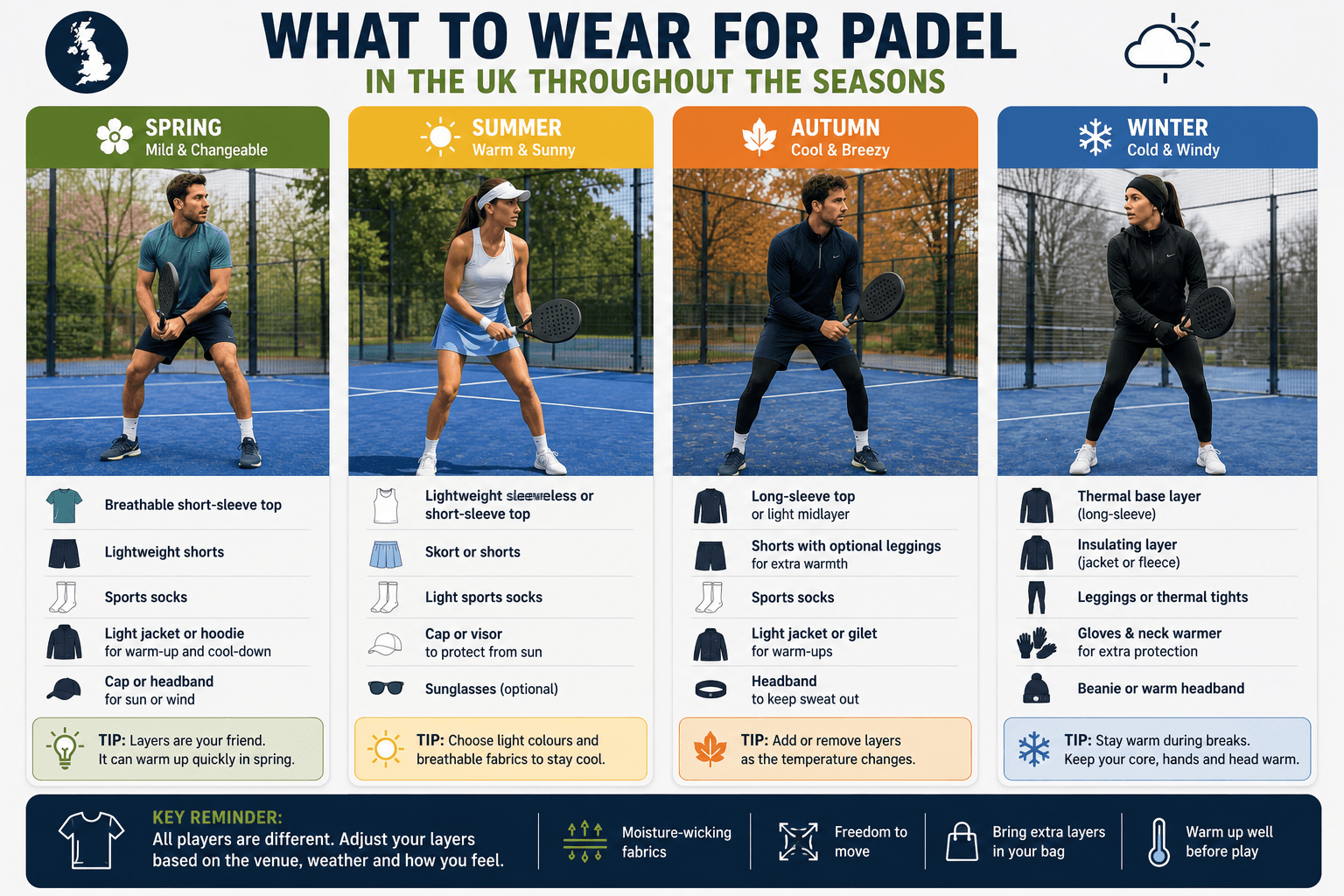
Spring
Mild but changeable. A breathable base layer paired with a light removable jacket for early mornings or evenings usually covers most spring sessions.
Summer
Generally the most comfortable season for outdoor UK padel, though some days can turn warm. Lightweight, breathable kit and sun protection accessories are the main focus.
Autumn
Cooler mornings and evenings return, along with more wind and occasional rain. A long-sleeved base layer or a removable mid-layer becomes more useful.
Winter
The coldest UK outdoor sessions call for the full layering system described earlier: a moisture-managing base layer, an optional mid-layer, and a warm-up jacket removed once play begins.
Weather across the UK varies significantly by region and by day, so these are general seasonal patterns rather than fixed rules for every location.
Summer Padel Clothing UK: What to Wear in Warm Weather
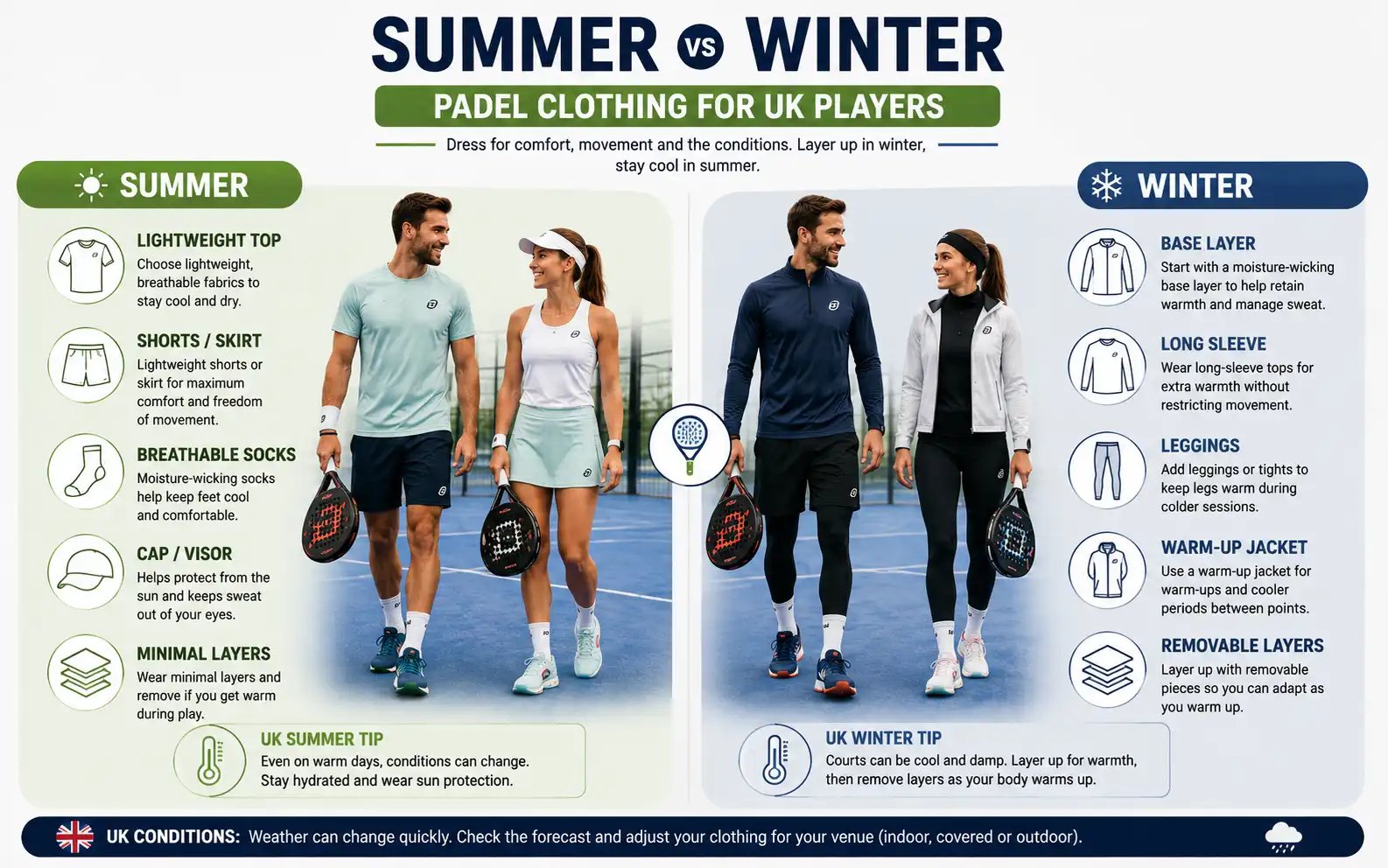
For warmer UK sessions, the best padel clothing is usually lightweight, breathable and easy to move in. Indoor courts can also become warm during longer matches, so clothing that manages perspiration well is useful even when you are not playing outside.
A simple summer padel outfit can include a moisture-wicking t-shirt or vest, lightweight shorts, a skirt or skort, sports socks and suitable court shoes.
| Summer Item | What to Look For | Why It Helps |
|---|---|---|
| Padel shirt or top | Lightweight, breathable performance fabric | Helps manage heat and perspiration |
| Padel shorts or skirt | Stretch fabric and practical ball storage | Allows easier movement during lunges and side steps |
| Padel socks | Moisture-managing and secure fitting | Can improve comfort during longer sessions |
| Cap or visor | Lightweight and secure | Useful for sunny outdoor courts |
Avoid choosing clothing purely because it is labelled as padel apparel. Tennis and other performance sportswear can work perfectly well if the fit, fabric and freedom of movement are suitable.
Winter Padel Clothing UK: How to Layer for Cold Weather
For colder UK sessions, winter padel clothing should keep you comfortable before and after play without becoming bulky once you start moving. Layering is usually more practical than wearing one heavy garment because you can remove clothing as your body temperature rises.
A typical winter padel outfit might combine a breathable base layer, a performance top, shorts or leggings and a lightweight warm-up jacket. Outdoor and covered courts may require more layering than heated indoor venues.
| Winter Layer | Best Use | Practical Tip |
|---|---|---|
| Base layer | Cold outdoor or covered courts | Choose stretch fabric that does not restrict movement |
| Long-sleeved top | Cooler sessions | Use as an alternative to a thicker outer layer |
| Padel leggings | Extra lower-body warmth | Wear alone or underneath shorts depending on preference |
| Warm-up jacket | Before and after play | Choose a lightweight layer that is easy to remove |
The goal is to stay warm without restricting shoulder rotation, lunges or quick lateral movement. Once the match starts, remove any layer that feels too warm or bulky rather than continuing to play in clothing that limits movement.
Can You Wear Tennis Clothes for Padel?
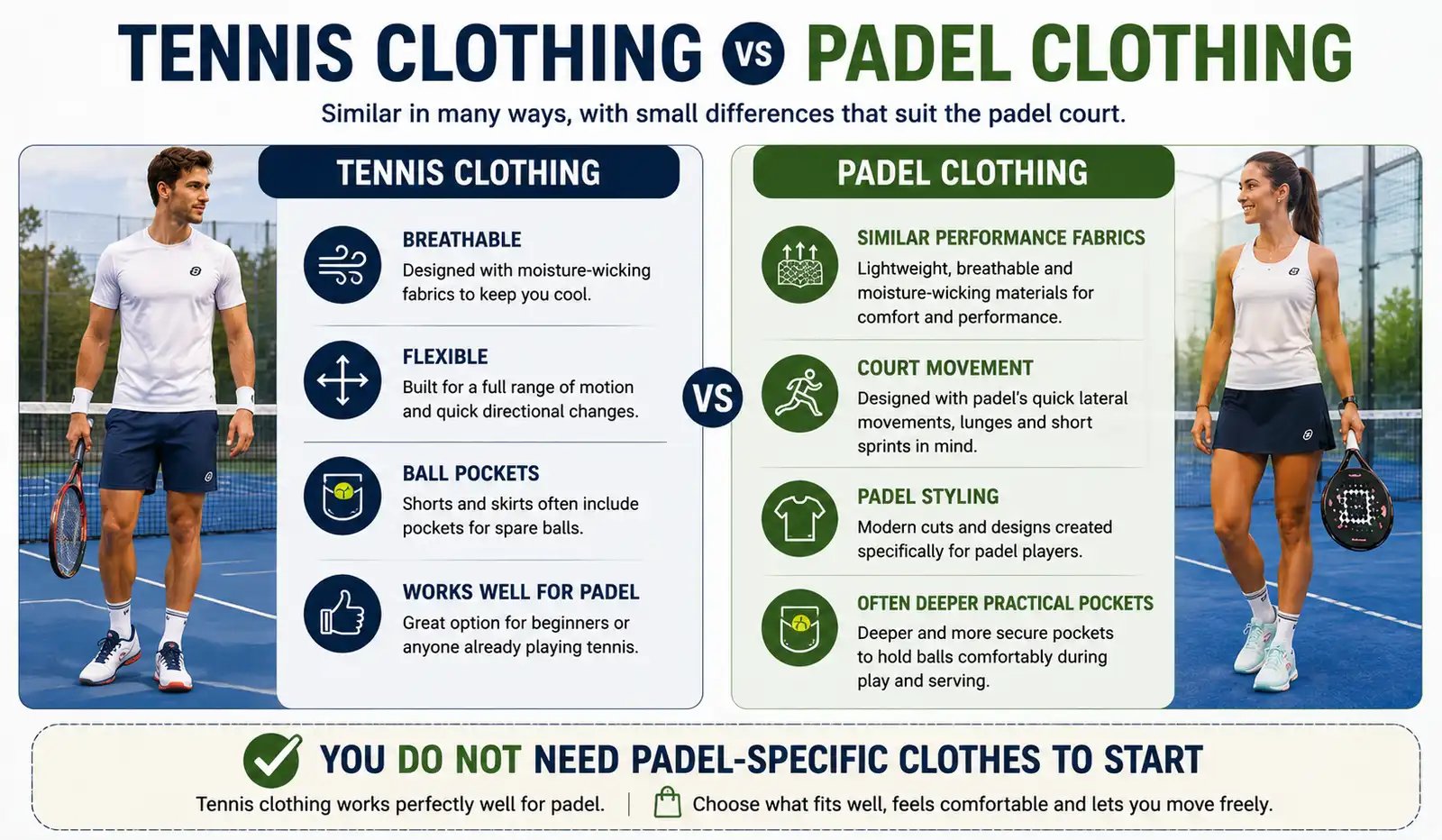
Yes. In most cases, tennis clothes can be worn for padel because both sports require similar freedom of movement, breathable fabrics and practical court clothing. Tennis shirts, shorts, skirts, skorts and dresses can all work well for recreational padel.
The main thing to check is whether the clothing allows comfortable lateral movement, lunges, overhead shots and quick changes of direction. Padel involves a lot of side-to-side movement, so anything too tight, heavy or restrictive can become uncomfortable during longer sessions.
Tennis Clothing vs Padel Clothing
| Feature | Tennis Clothing | Padel Clothing |
|---|---|---|
| Breathability | Usually designed for court play | Usually designed for court play |
| Freedom of movement | Generally very good | Generally very good |
| Ball pockets | Common on shorts, skirts and dresses | Common and useful for serving |
| Padel-specific styling | Usually tennis-focused | Often marketed specifically for padel |
| Suitable for beginners? | Yes | Yes |
For beginners, there is usually no need to replace suitable tennis clothing simply because you have started playing padel. If your existing kit is comfortable, breathable and allows unrestricted movement, it is generally suitable for your first sessions.
Padel-specific clothing can still be worth considering if you prefer dedicated padel brands, particular cuts or features such as deeper ball pockets, but it is a choice rather than a requirement.
Common Padel Clothing Mistakes
- Wearing restrictive casual clothing such as jeans or chinos
- Choosing running shoes for frequent play instead of court-specific footwear
- Wearing shorts without a usable ball pocket
- Wearing too many layers during active play rather than removing them once warmed up
- Relying on absorbent cotton in cold or wet conditions
- Choosing clothing based only on appearance rather than fit and function
- Ignoring the venue’s court surface and typical temperature when selecting footwear or layers
- Forgetting to pack a spare dry layer or top
- Using fabric softener on moisture-wicking garments when the care label advises against it
- Buying an excessively tight fit that restricts shoulder or hip movement
How to Wash and Care for Padel Clothing
- Always check the garment’s care label before washing, since instructions vary by brand and fabric blend
- Wash similar colours together to avoid dye transfer
- Use an appropriate low-temperature cycle where the label permits it
- Avoid fabric softener where the manufacturer advises against it, since it can affect moisture-wicking performance
- Close zips and hook-and-loop fasteners before washing to protect other garments
- Air dry where practical, particularly for elastane-rich garments
- Avoid excessive dryer heat on stretch fabrics, again checking the label first
- Allow padel shoes to dry naturally rather than using direct heat
- Do not place footwear directly against a radiator or other strong heat source
- Remove damp kit from the padel bag promptly after a session to avoid lingering moisture and odour
There is no single washing temperature that applies to every padel garment, since fabric blends and finishes vary between brands. The care label on each item remains the most reliable source of guidance.
What Should Beginners Wear to Play Padel?
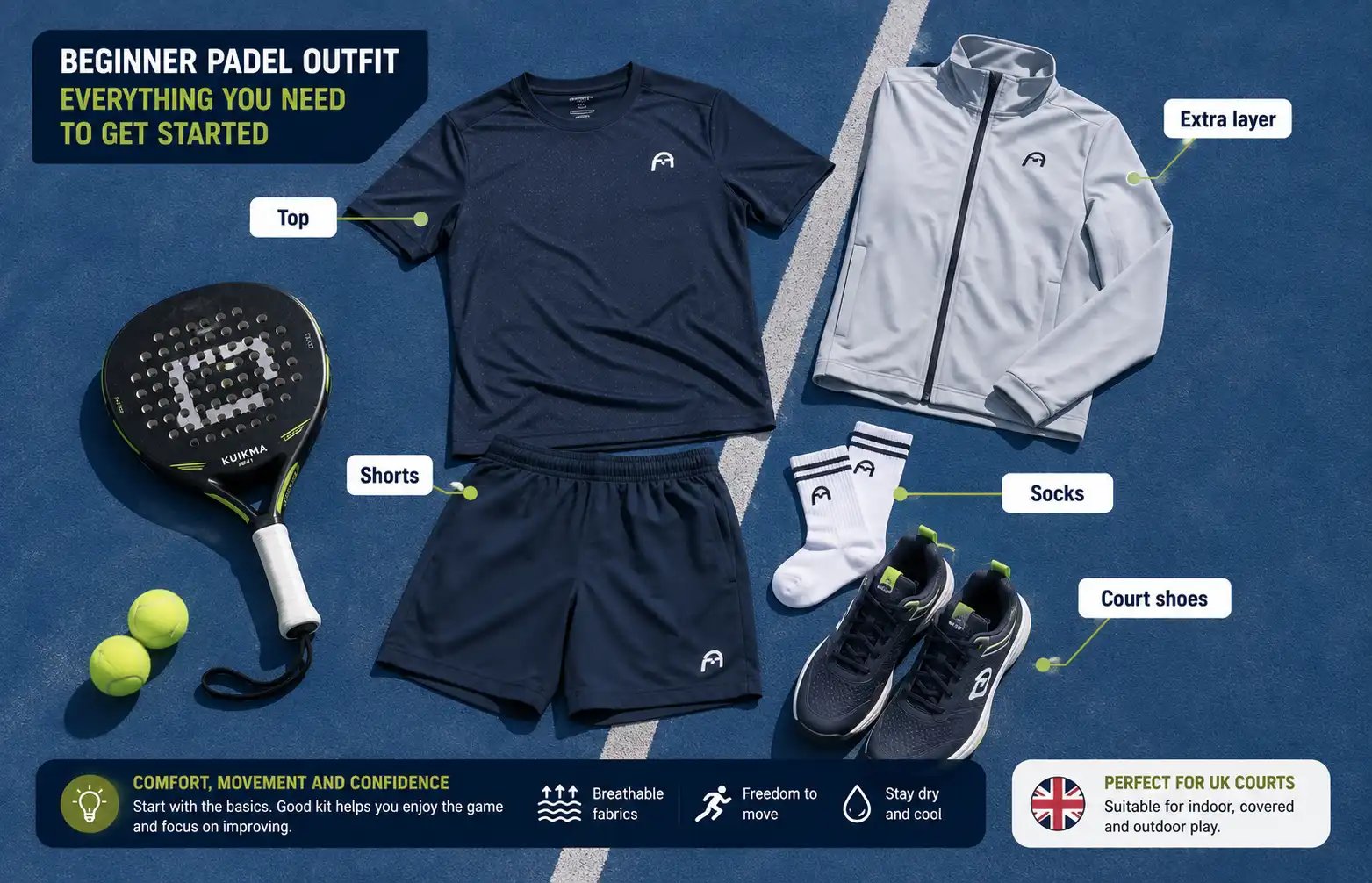
Beginners do not need a specialist wardrobe to start playing padel. A simple combination of a breathable sports top, flexible shorts or leggings, suitable court shoes and comfortable sports socks is enough for most first sessions.
If you already own tennis or gym clothing that allows good freedom of movement, you can usually use it for padel rather than buying a completely new outfit. The most important things are comfort, stretch, breathability and clothing that does not restrict lunges, turns or overhead shots.
Beginner Padel Clothing Checklist
| Item | Beginner Recommendation |
|---|---|
| Top | Breathable sports t-shirt or performance top |
| Bottoms | Flexible shorts, leggings, skirt or skort |
| Useful for carrying a spare ball while serving | |
| Shoes | Padel shoes or suitable court trainers with lateral support |
| Socks | Comfortable sports socks that fit securely inside the shoe |
| Extra layer | Lightweight top or jacket for warm-up and cool-down |
Do You Need Special Clothing for Padel?
No. Specialised padel clothing is not required for casual or beginner play. Ordinary sportswear with enough stretch, breathability and freedom of movement is generally suitable.
Padel-specific clothing can still be useful because some garments include features such as deeper ball pockets, lightweight technical fabrics and designs intended for court movement, but these are practical extras rather than requirements.
Related Padel Gameplan Guides
- Padel starter kit UK for a full first-purchase overview
- Best padel shoes UK for a detailed footwear comparison
- Best padel rackets UK for racket buying guidance
- Best padel balls UK for ball selection advice
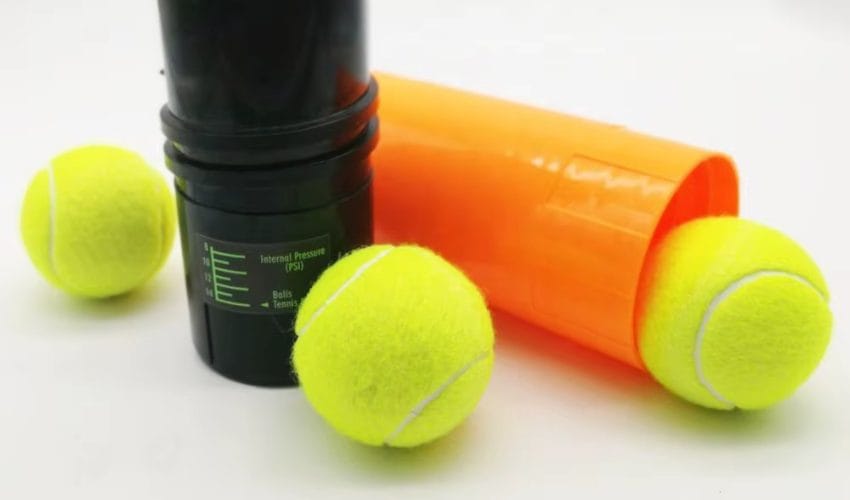
- Best padel ball pressurizer UK for keeping balls match-ready
- Rules of padel tennis for a full breakdown of scoring and gameplay
Padel Clothing FAQs
What should I wear to play padel in the UK?
For most padel sessions, wear a breathable sports top, flexible shorts, leggings, a skirt or skort, comfortable sports socks and suitable court shoes. For cooler outdoor or covered courts, bring a lightweight removable layer for warm-up and cool-down.
Do you need special clothes for padel?
No. You do not need special clothes to play padel. Tennis clothing and other suitable sportswear can work well as long as it is breathable, flexible and comfortable during side-to-side movement, lunges and overhead shots. Padel-specific clothing is optional rather than essential.
Can you wear tennis clothes for padel?
Yes. Tennis clothes are generally suitable for padel because both sports require breathable fabrics, freedom of movement and practical court clothing. Tennis shirts, shorts, skirts, skorts and dresses can all be used for recreational padel.
What should women wear for padel?
Women can wear a breathable performance top with shorts, leggings, a skirt, skort or padel dress, depending on personal preference and the conditions at the court. The most important factors are comfort, stretch, freedom of movement and suitable court footwear.
What should men wear for padel?
Men usually wear a lightweight performance t-shirt or polo with flexible shorts and suitable court shoes. Shorts with a secure pocket can be particularly useful for carrying a spare ball while serving.
What should you wear for outdoor padel in winter?
For winter padel in the UK, use lightweight layers rather than one bulky garment. A breathable base layer, long-sleeved performance top, shorts or leggings and a removable warm-up jacket can work well for colder outdoor or covered courts.
Are leggings good for padel?
Yes. Leggings can be a practical choice for padel, especially in cooler weather or for players who prefer more leg coverage. Choose stretch fabric that allows comfortable lunges, side steps and quick changes of direction.
Do padel shorts need pockets?
Pockets are not compulsory, but they are very useful. Many players keep a spare ball in a shorts or skort pocket while serving, so a secure and reasonably deep pocket can make match play more convenient.
What are the best clothes for padel beginners?
The best clothes for padel beginners are usually simple sportswear that allows comfortable movement. A breathable performance top, flexible shorts or leggings, sports socks and suitable court shoes are enough for most first sessions. You do not need to buy padel-specific clothing before you start playing.
How should you wash padel clothing?
Always check the care label first because fabrics vary between brands. In general, wash similar colours together on an appropriate low-temperature cycle, avoid fabric softener where the garment instructions advise against it, and air dry stretch fabrics where practical rather than using high dryer heat.
Complete Your Padel Kit
The right padel clothing is only one part of a comfortable court setup. Once you have your outfit sorted, these UK gear guides can help you complete the rest of your kit.
- Padel shoes: Choosing footwear with appropriate lateral support and court traction is especially important for repeated side-to-side movement. See our best padel shoes UK guide.
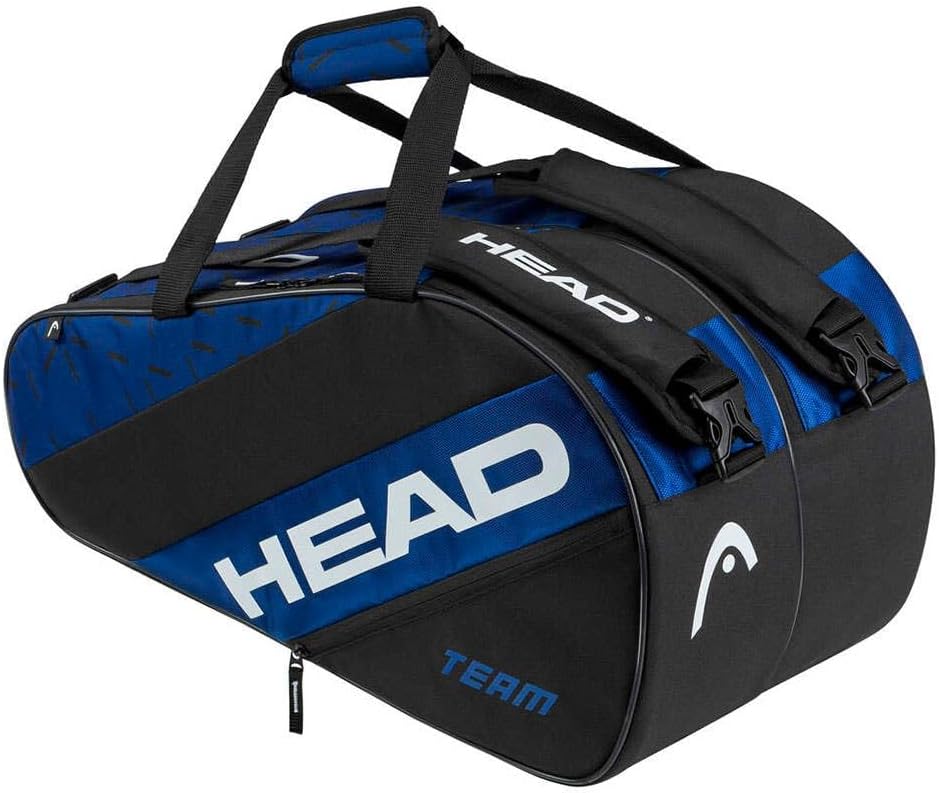
- Padel bag: A dedicated bag can make it easier to carry your racket, clothing, shoes, balls and accessories to the court. Compare the best padel bags UK.
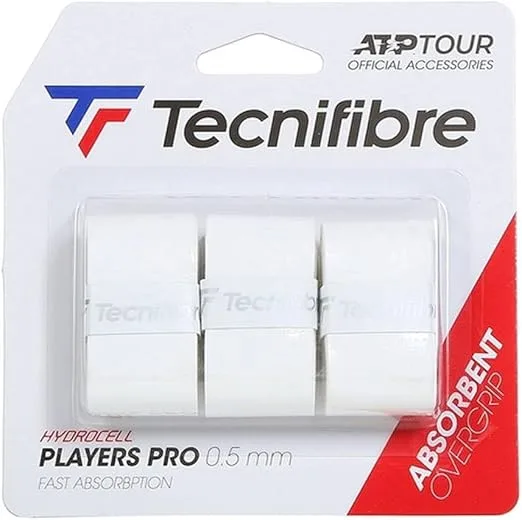
- Overgrips: A fresh overgrip can improve comfort and help maintain a secure hold on the racket during longer sessions. See the best padel overgrips UK.
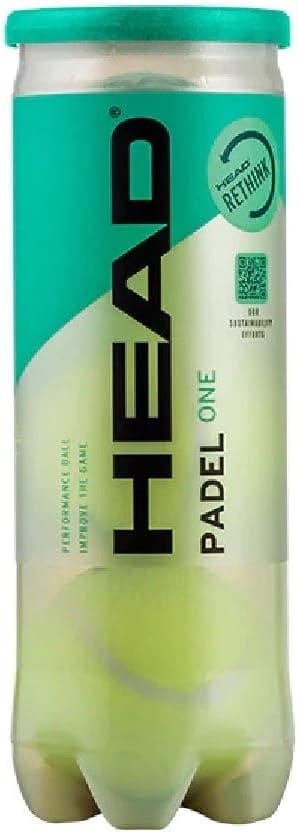
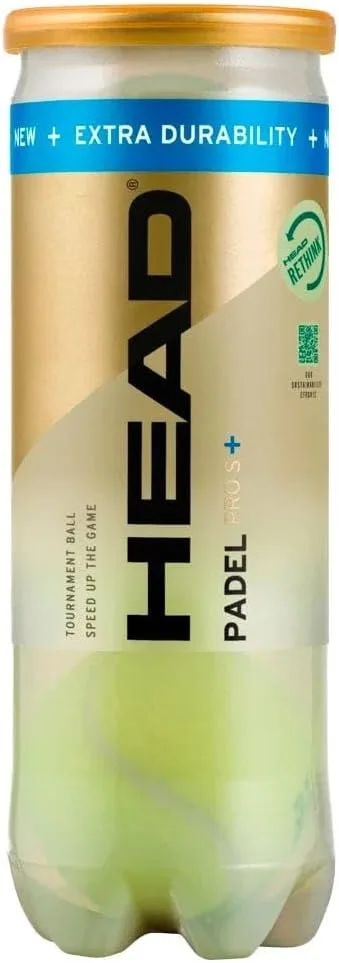
- Padel balls: If you are buying your own equipment for matches or practice, our ball guide compares options available to UK players. Compare the best padel balls UK.
Final Verdict: What Is the Best Padel Clothing for UK Players?
The best padel clothing for most UK players is comfortable, breathable and flexible enough for repeated lateral movement, lunges and overhead shots. You do not need a completely padel-specific wardrobe to start playing, and suitable tennis or general court sportswear can work perfectly well.
For most players, the essentials are a lightweight performance top, flexible shorts, leggings, a skirt or skort, suitable court shoes and comfortable sports socks. Outdoor and covered courts may also require removable layers for colder or changeable UK weather.
If you want to buy padel-specific clothing, brands such as Bullpadel, adidas, NOX, HEAD and Babolat offer dedicated courtwear, but the most important factors are still fit, freedom of movement, fabric comfort and practical features such as usable ball pockets.
For beginners, the simplest approach is to start with sportswear you already own and upgrade individual items only when you know what feels comfortable on court. That usually provides better value than buying a complete padel outfit before your first session.
Our recommendation: prioritise suitable court shoes first, then invest in breathable tops, flexible bottoms and comfortable socks. Add padel-specific clothing or extra seasonal layers only where they genuinely improve your comfort or convenience.
Sources
This guide was researched using official padel guidance, manufacturer documentation and UK clothing-care resources. No clothing products referenced in this article were personally tested by the Padel Gameplan Editorial Team, so recommendations are based on published specifications, intended use and practical suitability for padel.
- LTA Padel – Clothing and Footwear Guide: Guidance on suitable clothing and footwear for playing padel in the UK. LTA padel clothing and footwear guide .
- adidas UK – AEROREADY Technology: Official information on adidas AEROREADY moisture-management technology used across performance sportswear. Read about adidas AEROREADY .
- ASICS UK – Padel Gear: Official ASICS UK information on padel footwear and court-specific equipment. View ASICS UK padel gear .
- UK Fashion & Textile Association – Labelling Guidance: UK guidance covering textile and garment labelling, useful when checking clothing composition and care information. UKFT labelling guidance .
Brand ranges, product specifications and UK availability can change. Readers should check current manufacturer or retailer information before purchasing clothing or footwear.
This article was researched and published by the Padel Gameplan Editorial Team for UK padel players.