Best Padel Balls UK 2026: 7 Top Picks for Beginners & Club Players
By the Padel Gameplan Editorial Team | Published: 23 July 2026 | Updated: 23 August 2026
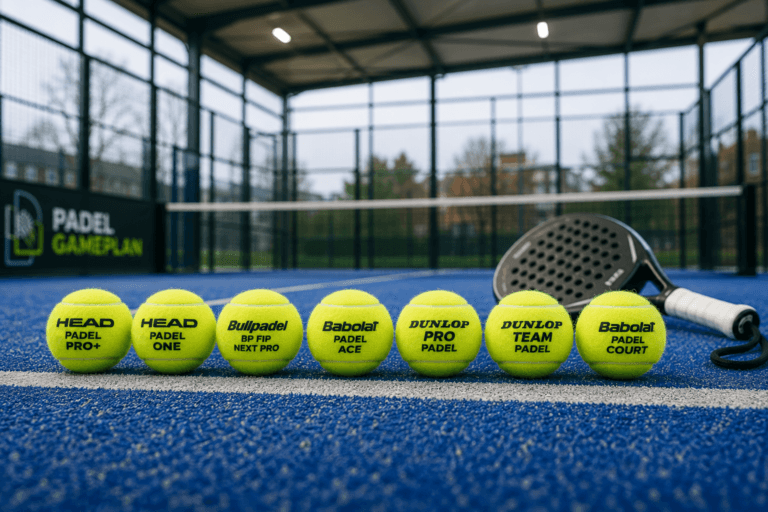
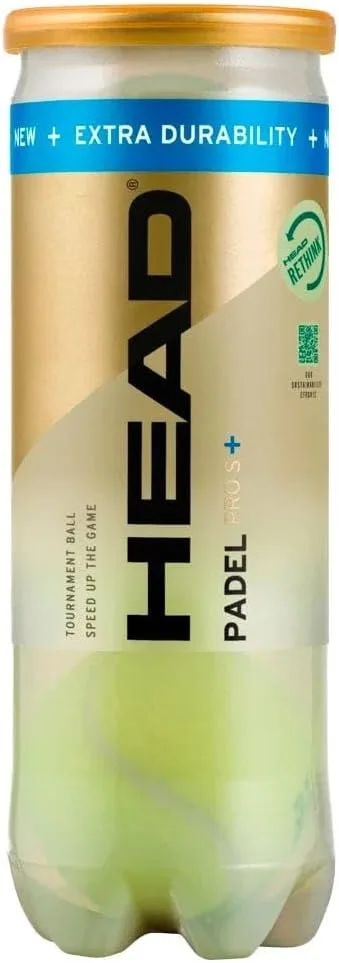
Choosing the best padel balls UK players can buy depends on playing level, court type and how fast you want the ball to feel. For most club players, HEAD Padel Pro+ is the strongest all-round option in this comparison, while HEAD Padel ONE is better suited to beginners and Dunlop Pro Padel is a strong choice for regular club and match play.
UK conditions can also affect ball performance. Indoor, covered and outdoor courts may produce different bounce characteristics, while colder temperatures and damp conditions can make pressurised balls feel slower or less responsive.
This guide compares seven padel balls available to UK players in 2026, covering beginner-friendly choices, faster match balls, club options and lower-cost alternatives.
If you are building your first setup, our Padel Starter Kit UK guide also covers rackets, shoes, overgrips, bags and other beginner essentials.
Beginners should also understand the basic scoring, serve and court rules before playing regularly. Our Padel Rules UK guide explains the essentials.
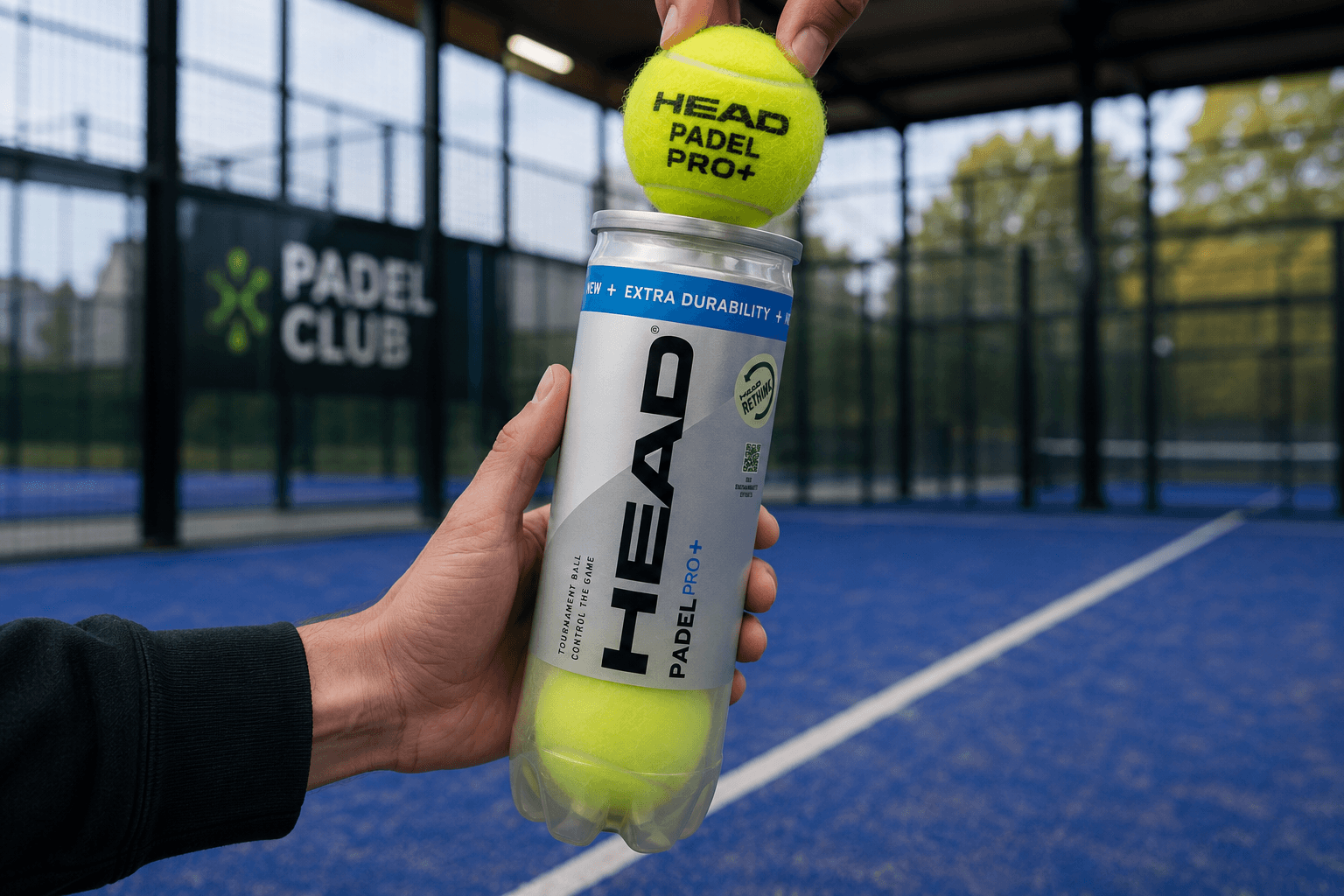
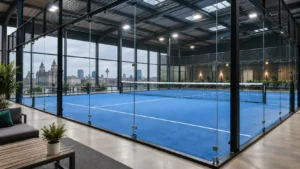
For players across the UK, court type and weather can influence how a ball performs. Padel is played on indoor, covered outdoor and fully outdoor courts, while temperature, moisture and storage conditions can affect bounce and pressure retention. This guide compares seven padel balls available in the UK in 2026, including beginner-friendly options, club-level choices and balls positioned by their manufacturers for frequent match or tournament use.
Buying balls is only one part of getting ready to play. The Padel Starter Kit UK guide also covers a beginner racket, suitable shoes, an overgrip, a bag and the approximate total cost.
For more equipment advice, compare the best padel rackets in the UK, the best padel shoes in the UK and the best padel ball pressurizers.
Ball choice is only one part of match preparation. Players looking to upgrade other equipment can also compare our best padel rackets UK guide and best padel shoes UK guide.
Best Padel Balls UK 2026: Quick Picks
| Complete Beginner | Casual Player | Improving Club Player | Fast-Play Preference | Frequent Club Player | Competitive Player | Value-Focused Player |
|---|---|---|---|---|---|---|
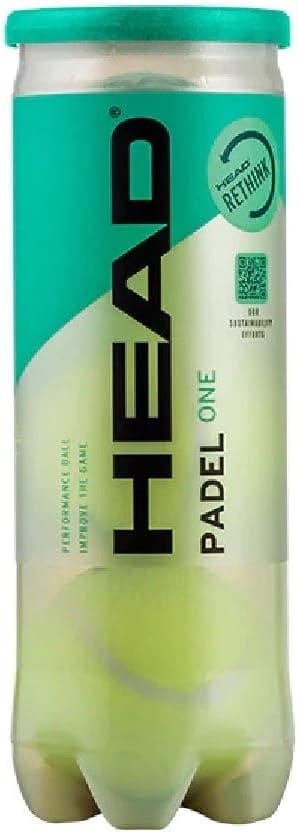
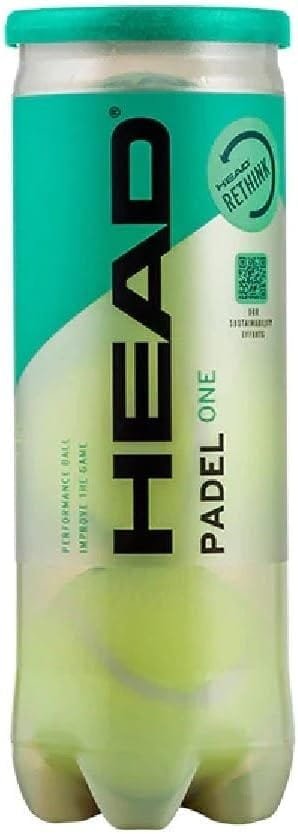 HEAD Padel ONE Best for Beginners HEAD Padel ONE Best for BeginnersMore controlled positioning for players learning rally consistency.
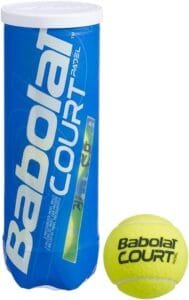
Check Price | 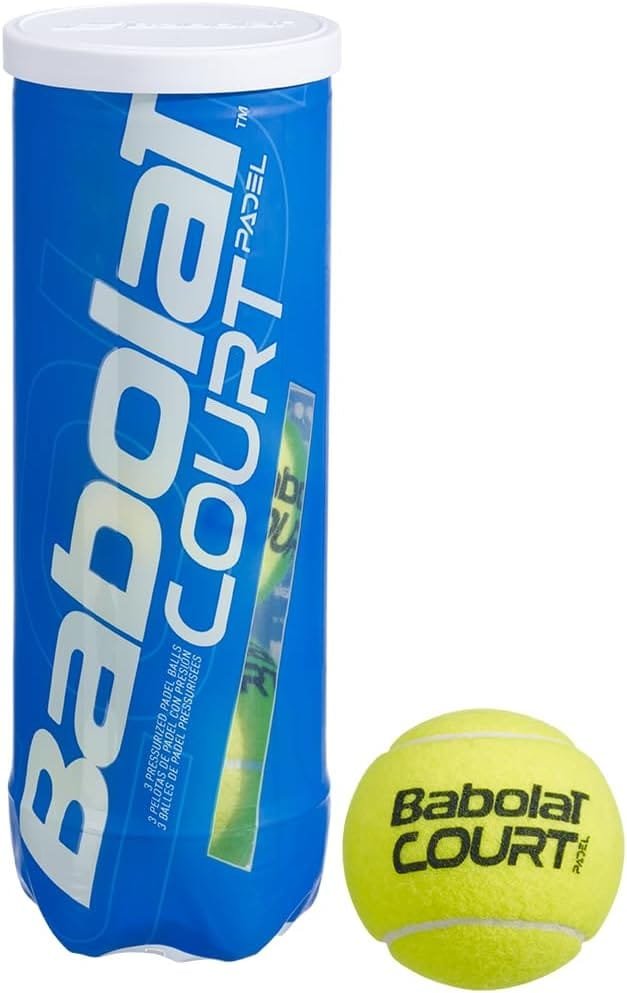 Babolat Court Padel Best Budget Choice Babolat Court Padel Best Budget ChoiceAccessible recreational option for casual sessions and beginner training.
Check Price | 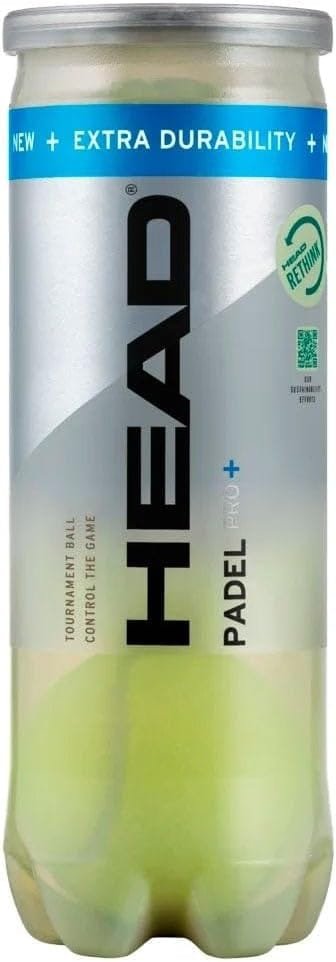 HEAD Padel Pro+ Best Overall HEAD Padel Pro+ Best OverallBalanced all-round option for improving and regular club players.
Check Price | 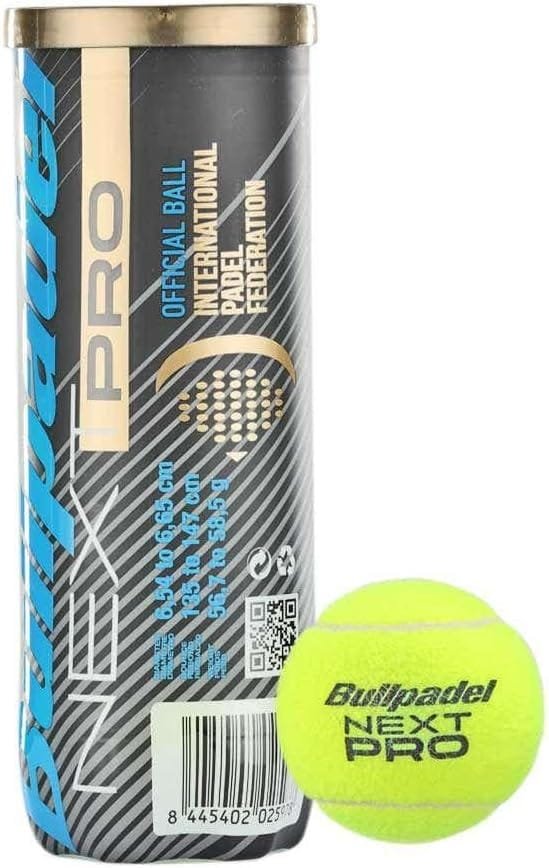 Bullpadel BP FIP Next Pro Best for Fast Rallies Bullpadel BP FIP Next Pro Best for Fast RalliesLively response for players who prefer quicker, energetic rallies.
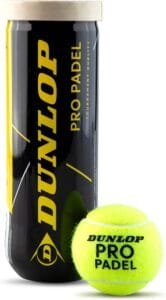
Check Price | 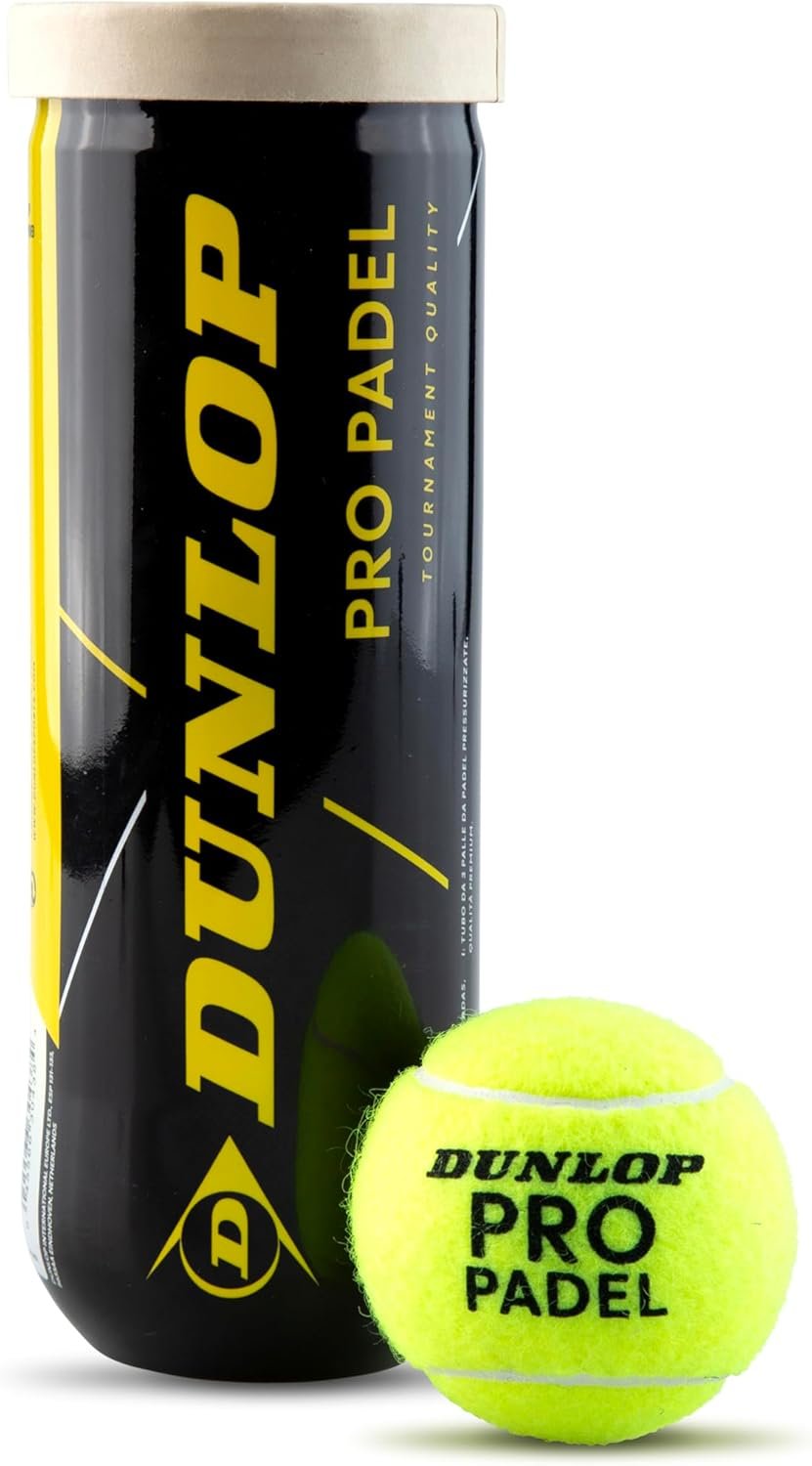 Dunlop Pro Padel Best for Club & Match Play Dunlop Pro Padel Best for Club & Match PlayPositioned for regular club, league and tournament sessions.
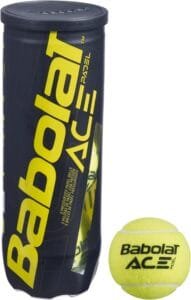
Check Price | 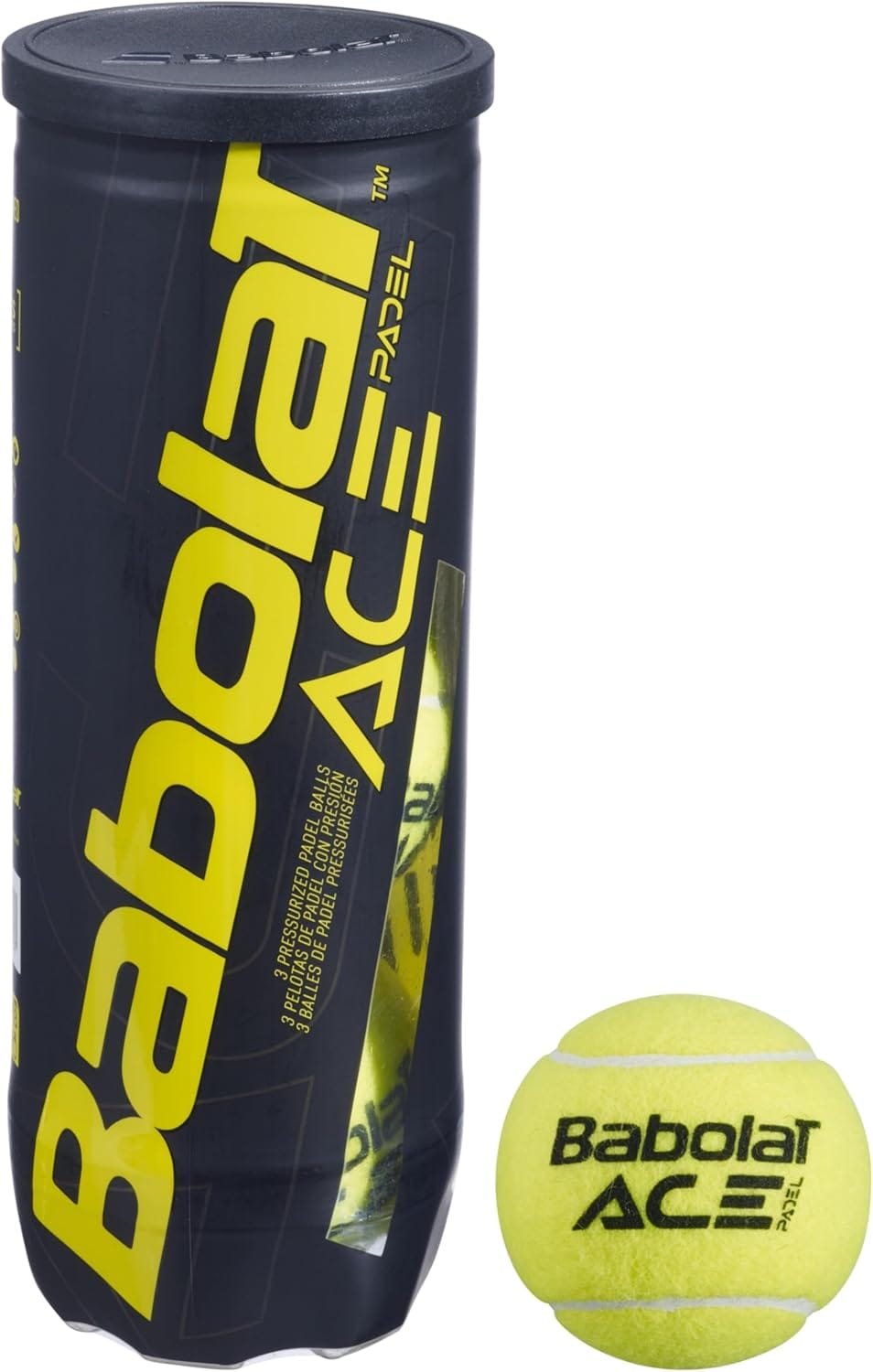 Babolat Ace Padel Best Alternative Fast Ball Babolat Ace Padel Best Alternative Fast BallMatch-oriented option with a faster, responsive playing feel.
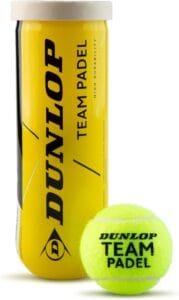
Check Price | 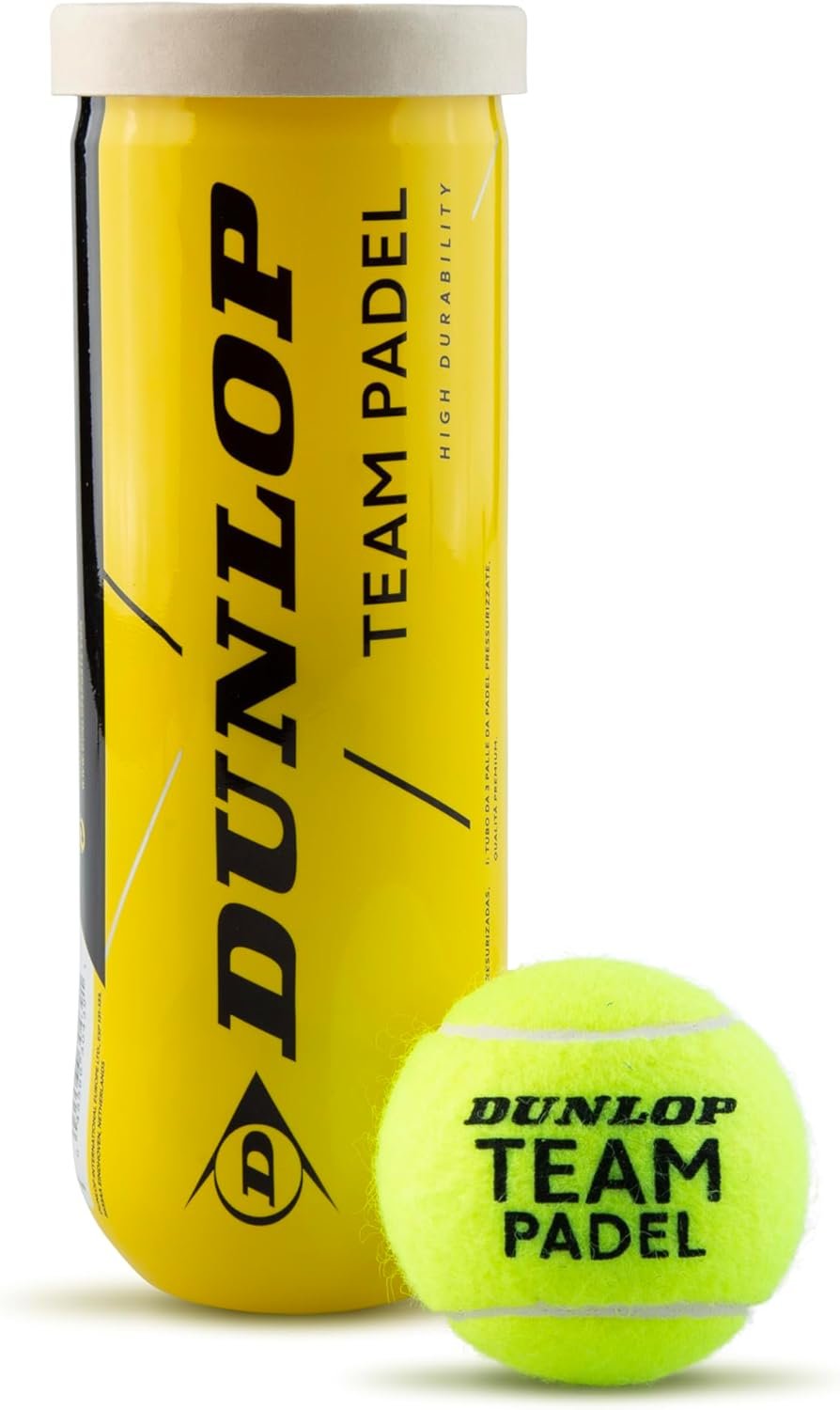 Dunlop Team Padel Best Value Dunlop Team Padel Best ValueSuitable for social sessions, improving players and regular club use.
Check Price |
How to Choose the Best Padel Balls
Best Padel Balls UK 2026: Comparison Table
| Ball | Best For | Speed or Feel | Intended Use |
|---|---|---|---|
| HEAD Padel Pro+ | All-round players | Medium-fast | Club and match play |
| HEAD Padel ONE | Beginners and improving players | Controlled | Training and recreational play |
| Bullpadel BP FIP Next Pro | Faster rallies | Fast and lively | Club and competitive play |
| Babolat Ace Padel | Competitive players | Fast | Match play |
| Dunlop Pro Padel | Frequent club players | Fast with extra bounce | Clubs and leagues |
| Dunlop Team Padel | Social players | Medium-fast | Social and club sessions |
| Babolat Court Padel | Beginners and casual players | Medium | Recreational play |
Quick choice: HEAD Padel Pro+ is the best all-round option in this comparison, HEAD Padel ONE is the most beginner-friendly, and Dunlop Pro Padel is a strong choice for regular club and match play. Players who prefer faster rallies should consider Bullpadel BP FIP Next Pro or Babolat Ace Padel.
Players buying balls for sanctioned competition should verify the exact model against the current FIP-approved ball list at padelfip.com.
How We Chose the Best Padel Balls
The balls in this guide were compared using manufacturer product information, intended playing level, stated speed, construction, UK retailer availability and available FIP certification information.
Padel Gameplan did not conduct laboratory pressure-retention or durability testing. References to speed, feel and intended use therefore reflect manufacturer positioning and comparative editorial analysis rather than controlled head-to-head testing. Product specifications, packaging and certification status can change, so buyers should check the exact model offered by the retailer before purchasing.
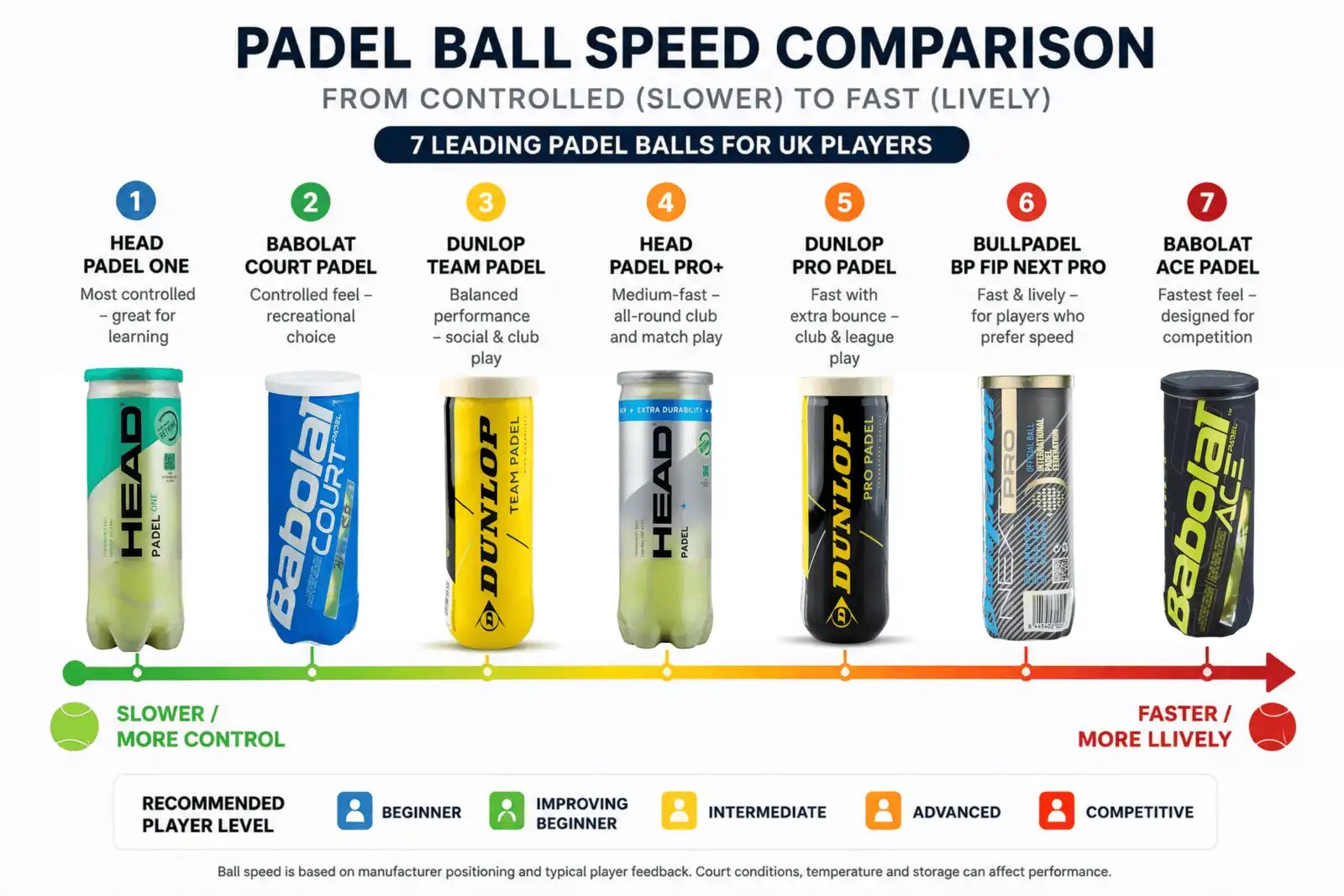
Padel Ball Speed Explained: Fast vs Slower Padel Balls
Padel balls can feel noticeably different depending on their speed, pressure and playing conditions. Faster padel balls tend to produce livelier rallies and quicker rebounds from the glass, while slower or more controlled balls can be easier for beginners and recreational players to manage.
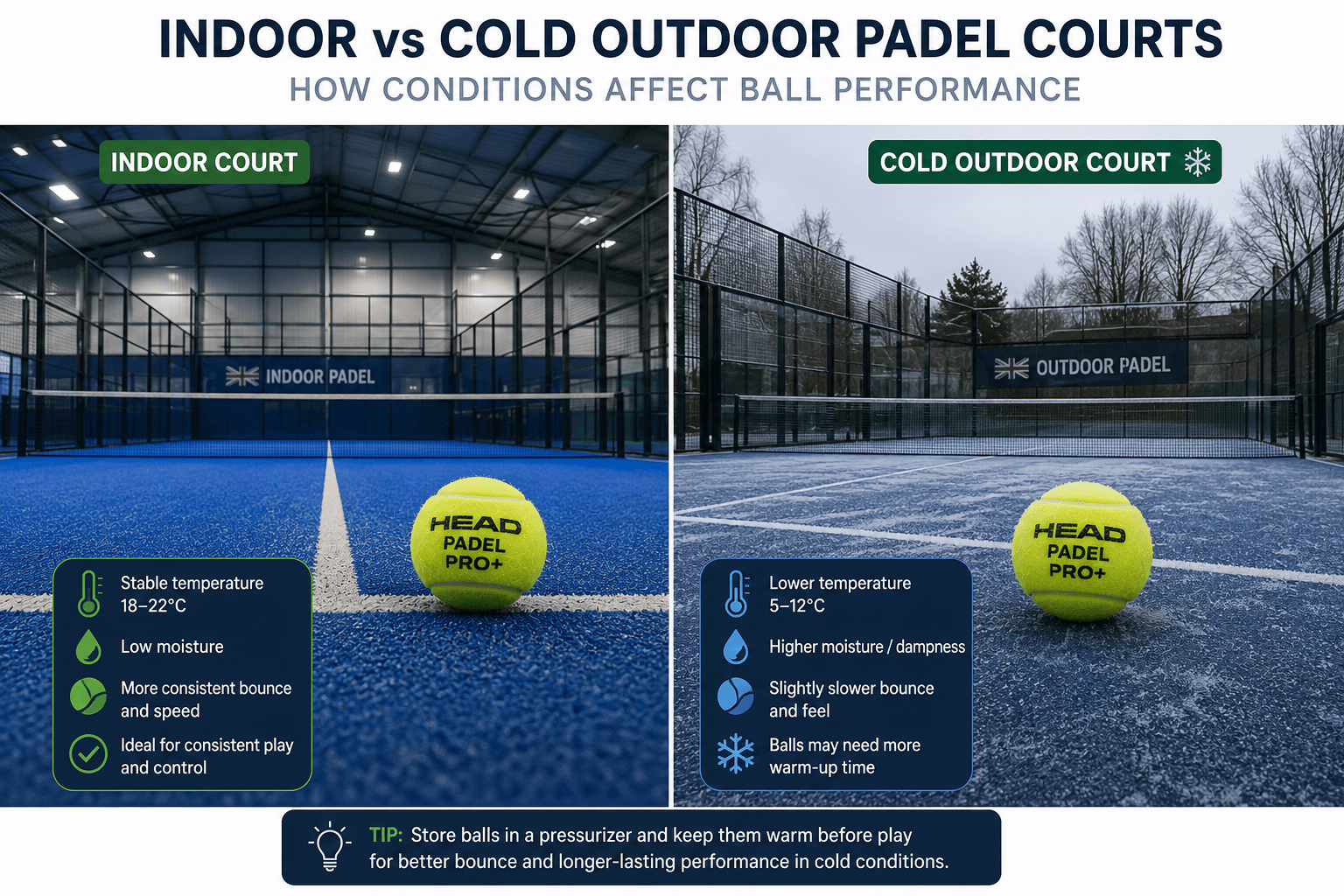
Temperature also matters. In colder UK conditions, pressurised balls often feel slower and lower-bouncing, while warmer indoor conditions can make the same ball feel quicker and more responsive.
For players who prefer faster rallies, Bullpadel BP FIP Next Pro and Babolat Ace Padel are the clearest speed-focused options in this comparison. Players looking for a more manageable all-round feel may prefer HEAD Padel Pro+ or HEAD Padel ONE.
Best Padel Balls for Indoor Courts in the UK
For indoor UK courts, most of the balls in this comparison are suitable because temperature and moisture are generally more stable than on outdoor courts. HEAD Padel Pro+ is the strongest all-round choice here, while Dunlop Pro Padel is a good option for players who regularly play club or match sessions.
Players who prefer quicker rallies may consider Bullpadel BP FIP Next Pro or Babolat Ace Padel, particularly on faster indoor surfaces.
Best Padel Balls for Cold Outdoor UK Courts
Cold UK conditions can make pressurised padel balls feel slower and produce a lower bounce. For outdoor winter sessions, Dunlop Pro Padel and Babolat Ace Padel are two of the stronger options in this comparison for players who want a livelier response.
However, no padel ball is immune to cold weather. Storage temperature, moisture and how long the balls have been open can affect performance as much as the model itself. Keeping balls dry and avoiding prolonged storage in very cold environments can help maintain a more consistent feel.
Pressurised vs Depressurised Padel Balls
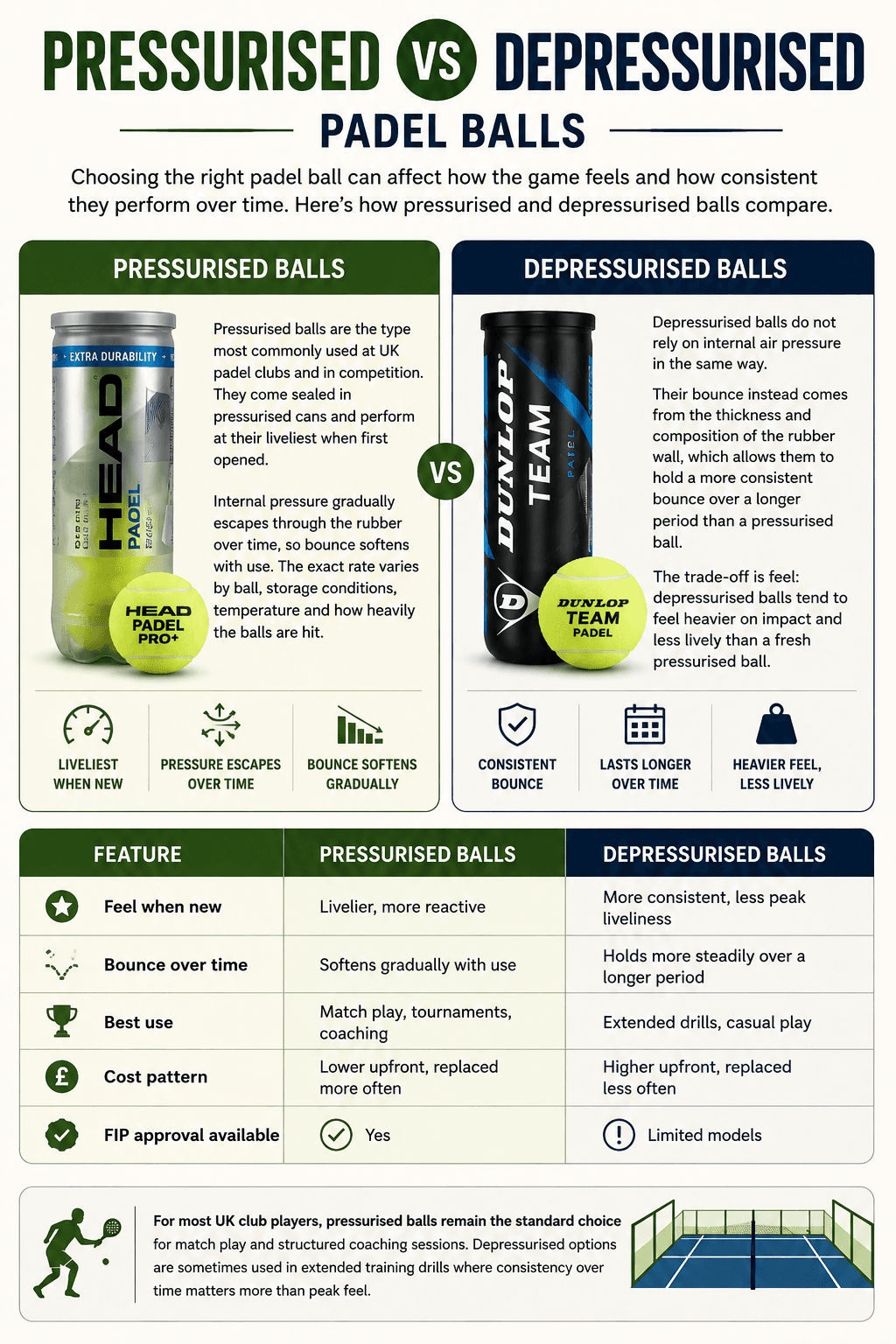
Pressurised balls are the type most commonly used at UK padel clubs and in competition. They come sealed in pressurised cans and perform at their liveliest when first opened. Internal pressure gradually escapes through the rubber over time, so bounce softens with use. The exact rate varies by ball, storage conditions, temperature and how heavily the balls are hit.
Depressurised balls do not rely on internal air pressure in the same way. Their bounce instead comes from the thickness and composition of the rubber wall, which allows them to hold a more consistent bounce over a longer period than a pressurised ball. The trade-off is feel: depressurised balls tend to feel heavier on impact and less lively than a fresh pressurised ball.
Many recreational players notice a meaningful drop in bounce after several sessions, although the usable lifespan varies according to storage, playing frequency, temperature and court conditions, so it is difficult to give a single figure that applies to every player.
Padel Balls vs Tennis Balls: What Is the Difference?
Padel balls and tennis balls look very similar, but they are not exactly the same. Regulation padel balls are designed to meet padel-specific pressure and bounce requirements, while tennis balls are made for a different court size and style of play.
The main difference players notice is the response on court. Tennis balls can feel faster and livelier in padel, particularly when rebounding from the glass, while proper padel balls usually provide a more controlled and predictable bounce.
For regular club play, coaching and matches, it is better to use balls specifically labelled for padel rather than standard tennis balls.
How Long Do Padel Balls Last?
How long padel balls last depends on playing frequency, temperature, storage and the ball model. Recreational players may get several sessions from a fresh can before noticing a clear drop in bounce, while frequent club players may replace balls more often to keep rallies consistent.
Rather than relying on a fixed number of matches, look for changes in performance. Padel balls are usually ready to replace when they feel noticeably softer, bounce lower, respond inconsistently off the glass or have heavily worn felt.
- Noticeably reduced bounce compared with a fresh can
- A softer feel when the ball is checked against a newer ball
- Flattened or visibly worn felt
- Inconsistent response between balls from the same can
- Rallies feeling unusually slow without a change in players or court
- Visible damage, deformation or splitting
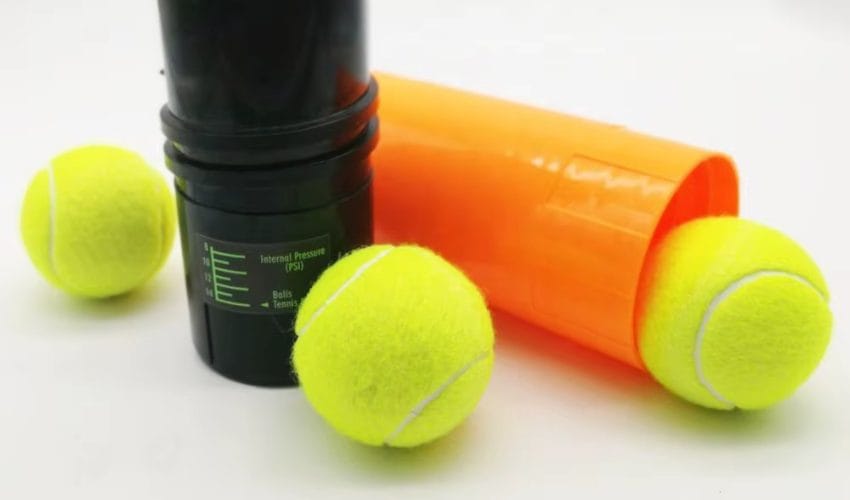
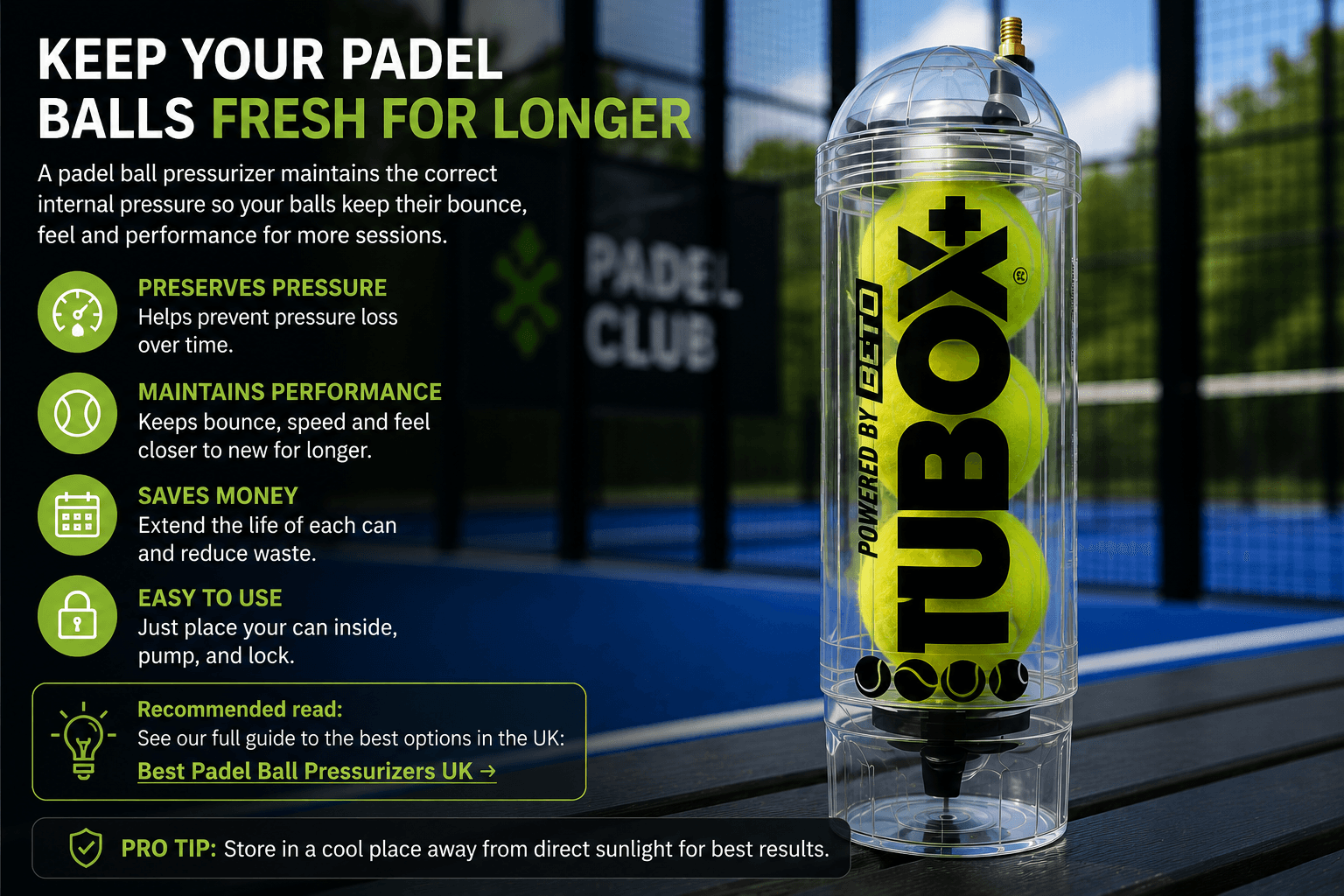
To extend usable life between sessions, store balls dry, avoid extreme temperature changes and consider using a padel ball pressurizer.
How UK Weather Affects Padel Ball Performance
UK weather can noticeably change how a padel ball feels on court. Cold conditions usually make pressurised balls feel slower and lower-bouncing, while warmer temperatures can make the same ball feel livelier and more responsive.
Moisture also matters. Damp felt can make a ball feel heavier and less consistent, particularly on outdoor or partially covered courts. This is one reason indoor courts often provide a more predictable ball response than exposed outdoor courts.
For more consistent performance, keep padel balls dry, avoid storing them in very cold places and allow them to adjust gradually to the playing environment before a session.
Damp conditions can affect the felt on the outside of the ball. In humid or wet weather, felt can absorb moisture, which adds weight and may dampen responsiveness, adding to the deadening process that already happens naturally with use. This is a more consistent consideration in the UK than in drier climates, given the amount of covered-outdoor and open-air court time many British players get through the year.
Practical steps that may help reduce pressure loss in UK conditions include:
- Storing balls in a pressurised ball tube or sealed container rather than leaving them loose in a bag
- Keeping balls away from car boots and unheated garages between sessions, since large temperature swings can affect pressure
- Rotating multiple balls during a session rather than using a single ball continuously
- Avoiding use immediately after balls have been stored in a very cold car or garage, letting them adjust naturally to the playing environment without applying direct heat
How to Make Padel Balls Last Longer
You cannot stop padel balls from gradually losing pressure, but good storage can help them stay playable for longer. Keep balls dry, store them at a stable indoor temperature and avoid leaving them in a cold car, garage or damp sports bag.
Rotating all three balls during a session also helps spread wear more evenly. If you play regularly, a padel ball pressurizer may help maintain pressure between sessions, although it will not restore heavily worn felt or damaged balls.
Replace the balls once bounce becomes noticeably inconsistent, the felt is badly worn or rallies begin to feel significantly slower than usual.
Padel Ball Care Tips for Beginners
Beginners do not need to overthink padel ball care, but a few simple habits can help keep balls playing consistently. Store opened balls in a dry place, avoid leaving them in very cold or hot conditions, and keep the tube closed between sessions.
Use all three balls during play rather than relying on one ball for most rallies. This helps spread wear more evenly across the set.
If you are just starting out, focus more on using proper padel balls than on buying the fastest or most expensive option. A beginner-friendly ball such as HEAD Padel ONE is a sensible place to start in this comparison.
New players may also find our Padel Rules UK guide useful before their first regular club sessions.
Common Mistakes to Avoid When Buying Padel Balls
Choosing padel balls is relatively simple, but a few mistakes can make them feel wrong for your level or playing conditions.
- Buying tennis balls instead of padel balls: they may look similar, but proper padel balls are designed for padel-specific pressure and bounce requirements.
- Choosing balls that are too fast: beginners and recreational players may find very lively balls harder to control, especially on quicker indoor courts.
- Ignoring UK weather: cold and damp conditions can affect bounce, felt and overall responsiveness, particularly on outdoor courts.
- Focusing only on price: a cheaper tube can still be suitable for casual play, but regular club players may prefer a ball positioned for more frequent match use.
- Keeping worn balls for too long: once bounce becomes inconsistent or the felt is badly worn, replacing the balls usually gives a better playing experience.
- Storing balls badly: leaving opened balls in a cold car, hot boot or damp bag can reduce consistency between sessions.
Final Verdict: Which Padel Balls Should You Buy?
For most UK club players, HEAD Padel Pro+ is the best overall option in this comparison because it offers a balanced mix of speed, control and consistency. Beginners should consider the more manageable HEAD Padel ONE, while regular league and match players may prefer Dunlop Pro Padel.
Players who prefer faster rallies can consider Bullpadel BP FIP Next Pro or Babolat Ace Padel. For recreational sessions and lower-cost purchasing, Babolat Court Padel and Dunlop Team Padel provide more accessible alternatives.
The right choice depends on playing level, court environment and preferred pace. UK players using outdoor courts should also consider storage conditions, since cold temperatures and moisture can affect any pressurised padel ball.
Frequently Asked Questions About Padel Balls
What are the best padel balls for beginners in the UK?
HEAD Padel ONE and Babolat Court Padel are the clearest beginner-oriented choices in this comparison, positioned by their manufacturers for accessible, controlled performance at reasonable price points. Dunlop Team Padel may suit improving beginners who are comfortable with a livelier response. All three are widely available through UK retailers and Amazon UK.
How many padel balls do I need for a session?
Bringing three balls is standard, since padel balls are normally sold and used in three-ball cans. Rotating all three balls distributes impact and felt wear more evenly throughout the session, which keeps bounce more consistent than relying on a single ball.
How long do padel balls last?
This varies considerably depending on playing intensity, temperature, storage and the ball model itself. Many recreational players notice a meaningful drop in bounce after several sessions of regular pressurised ball use, but it is difficult to give one figure that applies to every player and every ball.
Are padel balls and tennis balls the same?
Padel and tennis balls look similar, but regulation padel balls normally operate within a lower pressure range and are tested according to padel-specific bounce requirements. A tennis ball may make rallies feel faster and less predictable, particularly around the glass, so it is not a reliable substitute for regular padel play.
Does UK weather affect padel ball performance?
Yes. Cold temperatures can make pressurised padel balls feel slower and lower-bouncing, particularly outdoors in winter. Damp conditions can affect the felt exterior, adding weight and potentially dampening responsiveness. Many UK players report a noticeable difference in bounce between indoor and outdoor courts, especially in colder months.
What does FIP-approved mean for padel balls?
FIP-approved means a ball has passed testing conducted by an accredited FIP laboratory and meets the technical specifications required for official FIP and Premier Padel competitions. The approved ball list is maintained on the FIP website at padelfip.com and can change over time, so current status is worth checking directly rather than assuming permanent approval.
Can padel balls be stored in a pressurised tube?
Yes, and this is a commonly used approach. Pressurised storage tubes are designed to help maintain internal ball pressure between sessions. They are available from UK padel retailers and on Amazon UK.
Which padel balls are best for UK outdoor courts in winter?
For colder outdoor and covered-outdoor sessions, many players prefer established match balls such as Dunlop Pro Padel or Babolat Ace Padel. However, temperature affects every pressurised ball, so storage and allowing the balls to adjust gradually to the playing environment may matter more than choosing one specific brand.
Which padel balls are best for club players?
For regular club and match play, HEAD Padel Pro+ and Dunlop Pro Padel are the strongest options in this comparison because they are aimed at consistent, higher-level play. Players who prefer a faster, livelier response may also consider Bullpadel BP FIP Next Pro or Babolat Ace Padel.
Where can I buy padel balls in the UK?
Padel balls are available from UK padel-specific retailers, major sports stores and online through Amazon UK. Brands including HEAD, Babolat, Dunlop and Bullpadel are commonly stocked for delivery across the UK.
Publication and Sources
This guide was prepared by the Padel Gameplan Editorial Team for players comparing padel equipment available in the United Kingdom. Manufacturer product information from HEAD, Bullpadel, Babolat and Dunlop was reviewed for intended use, construction and stated performance characteristics, alongside available FIP certification material. UK padel participation figures are drawn from the Lawn Tennis Association, which reported 860,000 adults and juniors playing padel across Great Britain during 2025, supported by 1,553 courts across 559 venues at the end of that year. Availability, product specifications and certification status can change, so readers should confirm current details directly with retailers and with the FIP approved ball list at padelfip.com before purchasing.