Best Padel Ball Pressurizer UK 2026: 6 Reliable Options Compared
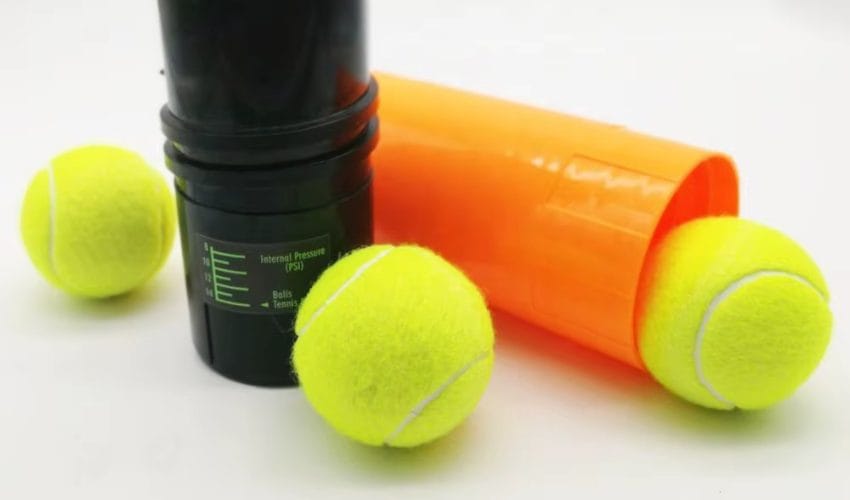
By the Padel Gameplan Editorial Team | Published: 20 Jul 2026 | Updated: 20 Sep 2026
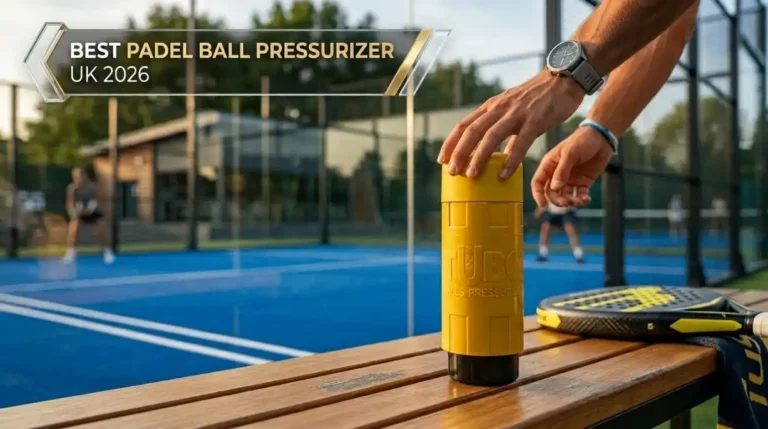
The best padel ball pressurizer UK options in 2026 can help slow pressure loss between matches and keep structurally sound padel balls usable for longer. This honest guide compares 6 reliable models for pressure control, ease of use, capacity, UK availability and value.
Both simple preservation-style models and pump-assisted restoration options are included. The right choice depends on how often you play, whether you only want to maintain pressure or also try to restore softening balls, and how much effort you want to put into storage after each session.
A ball pressurizer becomes more useful once balls are being reused regularly. For first-time players, the Padel Starter Kit UK guide explains which equipment should usually be prioritised first. For wider equipment comparisons, see the Best Padel Rackets UK, Best Padel Balls UK and Best Padel Shoes UK guides.
Some product mentions may include affiliate links.
Quick Answer: Which Padel Ball Pressurizer Is Best?
TUBOPLUS 29PSI X3e + Pump is the strongest restoration-focused choice in this guide for regular players. The Bullpadel Pascal Box is the precision-control option for players who want a pressure gauge and hand-pump system. For a simpler no-pump routine, TUBOPLUS TuboX3 is easier for beginners, while Bounce Tube Padel is the premium integrated-pump option.
How to Choose a Padel Ball Pressurizer in the UK
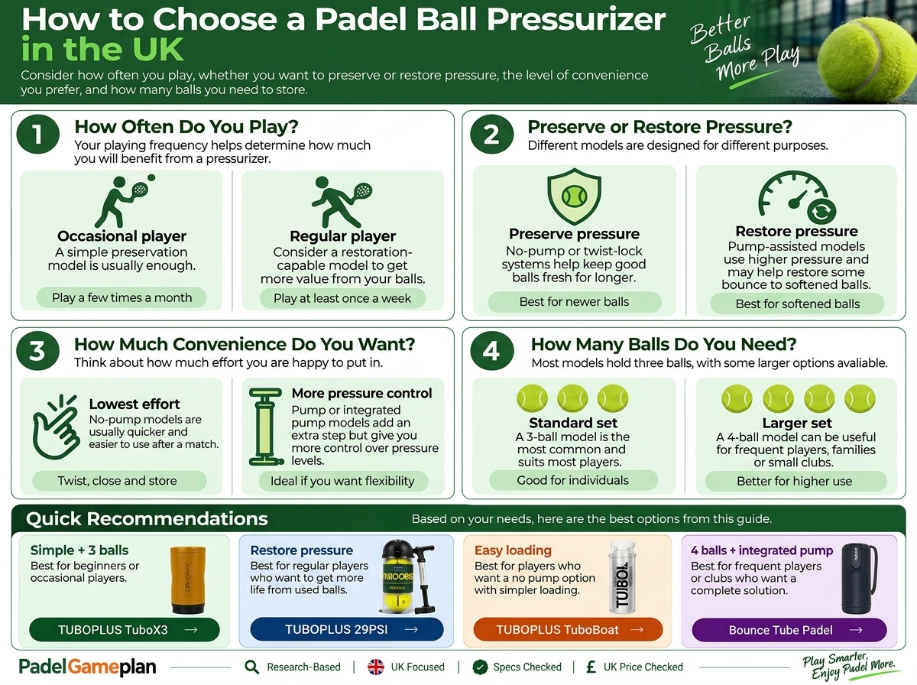
The main differences are how the device maintains or restores pressure, how many balls it holds, whether it needs a pump, and how often it will be used. For UK players, storage conditions also matter because balls may spend time in cold cars, garages or damp kitbags between sessions.
Playing Frequency
Regular players usually have the strongest reason to use a pressurizer because their balls move through repeated play-and-storage cycles. Occasional players can still benefit, but the potential saving is smaller if a set of balls is rarely used.
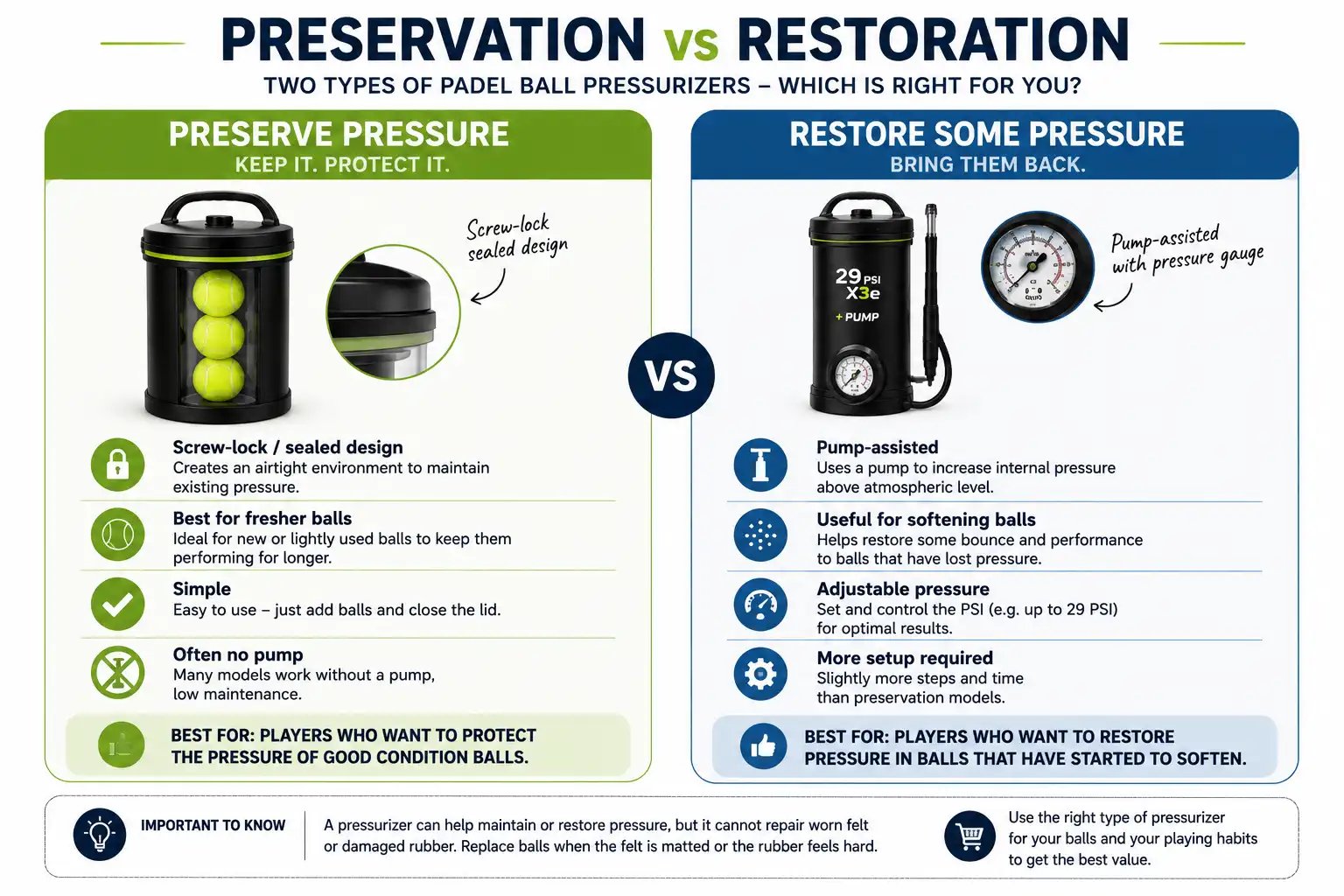
Preservation vs Restoration
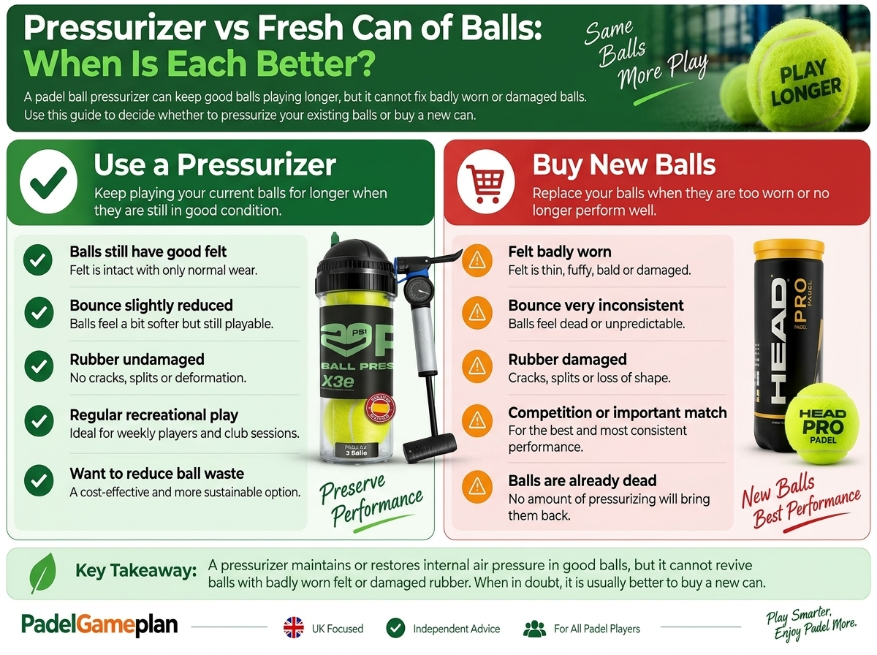
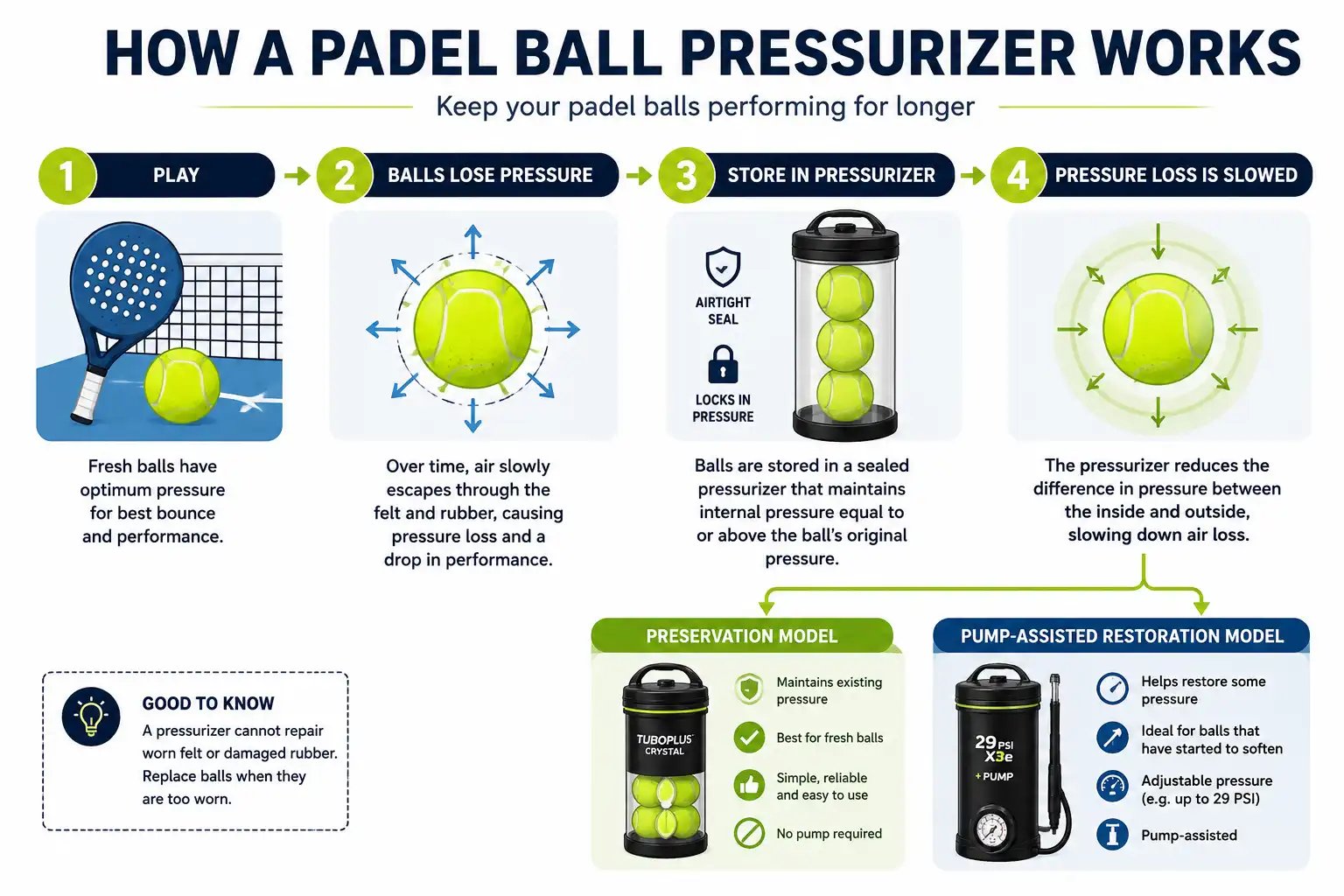
Preservation models are designed mainly to slow further pressure loss. Restoration-style models use a pump or higher-pressure system and may help return some pressure to balls that have started to soften. Neither type can repair worn felt, split rubber or a fully dead ball.
Ease of Use
No-pump systems are usually quicker after a match. Pump-assisted models add an extra step but provide more control over stored pressure.
Capacity
Most compact models hold three balls. A four-ball model can be useful for players or clubs that commonly carry four-ball sets.
Best Padel Ball Pressurizers by Player Type
| Best for | Model | Pressure type | Capacity | Indicative price* | Buying link |
|---|---|---|---|---|---|
| Restoring pressure / regular play |
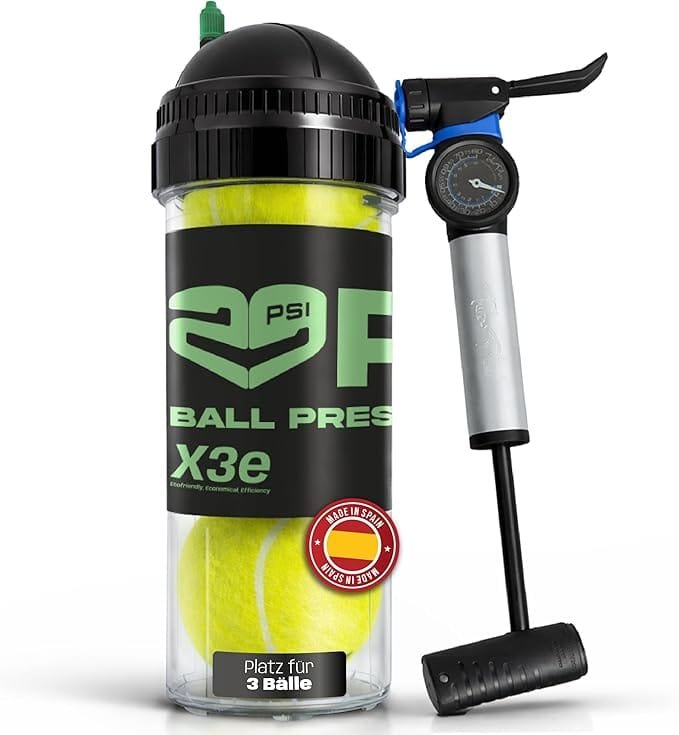 TUBOPLUS 29PSI X3e + Pump
 | Restoration | 3 balls | About £40-£50 | Check Price |
| Precise pressure control | Bullpadel Pascal Box | Restoration | 3 or 4 balls, depending on version | About £45-£55 | Check Price |
| Beginners |
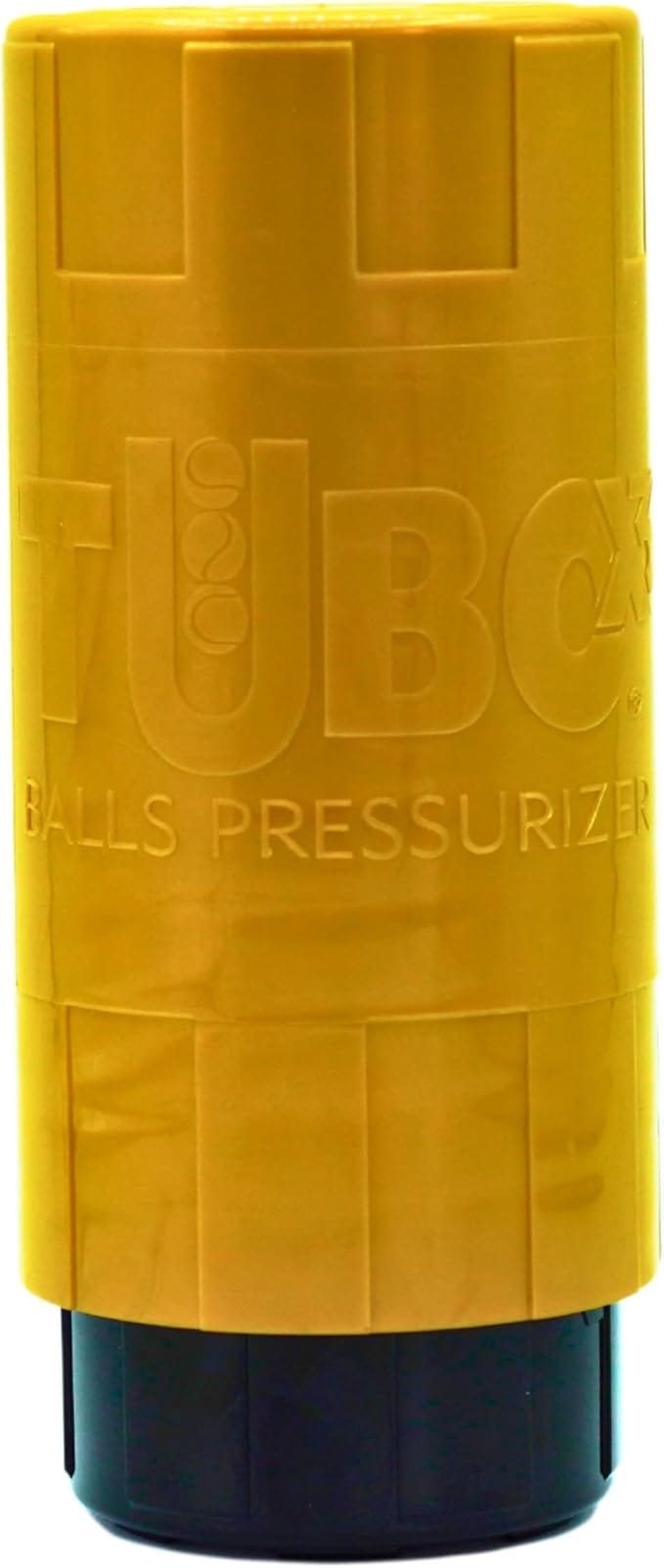 TUBOPLUS TuboX3
 | Preservation | 3 balls | About £20-£25 | Check Price |
| Club players |
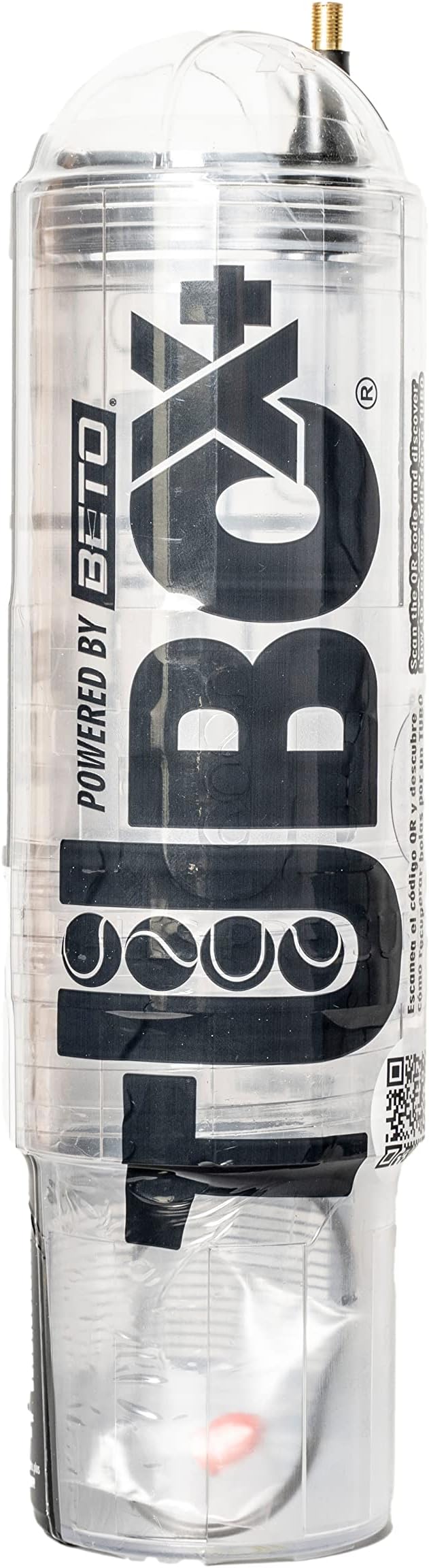 TUBOPLUS TuboBoat
 | Preservation | 3 balls | About £20-£25 | Check Price |
| Compact no-pump use |
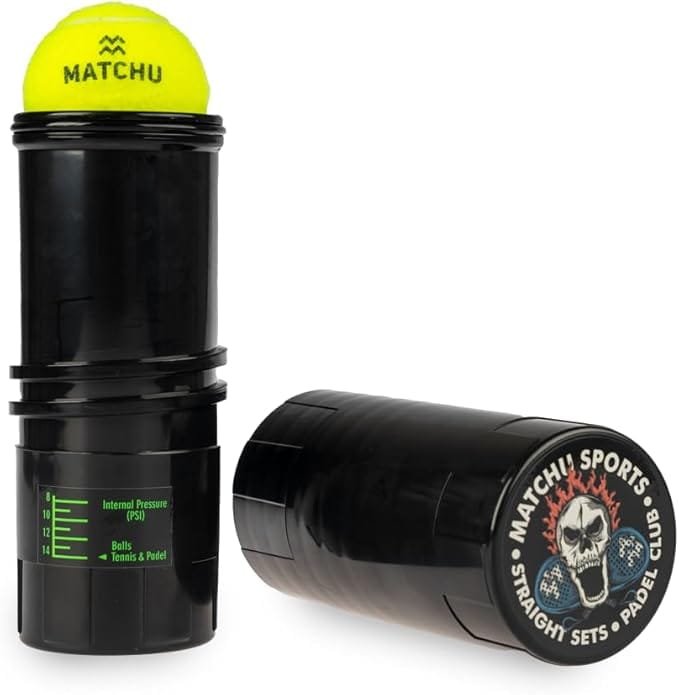 Matchu Pressure Pro
 | Preservation | 3 balls | About £25-£30 | Check Price |
| Premium integrated pump |
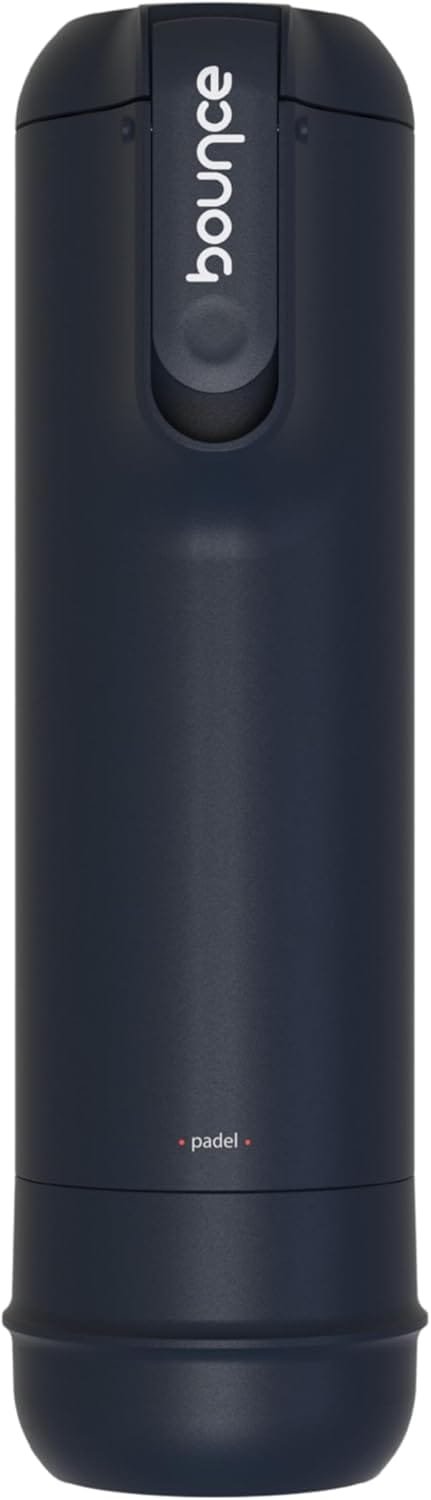 Bounce Tube Padel
 | Restoration | 4 balls | About £75-£90 | Check Price |
*Price ranges are indicative figures from the article research period and are not live prices. Confirm current UK stock and pricing before ordering.
Which Padel Ball Pressurizer Should You Choose?
- Best for restoring pressure: TUBOPLUS 29PSI X3e + Pump – suited to regular players who want a pump-assisted system.
- Best for precise pressure control: Bullpadel Pascal Box – suited to players who want a gauge and hand pump for adjustable pressure.
- Best for beginners: TUBOPLUS TuboX3 – simple, compact and does not require a separate pump.
- Best for club players: TUBOPLUS TuboBoat – a wider no-pump design that is easy to load and store.
- Best compact option: Matchu Pressure Pro – compact preservation design with a visible pressure reference.
- Best premium option: Bounce Tube Padel – combines four-ball capacity with an integrated pump.
If the main objective is simply to slow normal pressure loss between matches, a preservation-style model is usually enough. If the goal is to add pressure back to balls that are beginning to soften, look at a restoration-capable model instead.
6 Best Padel Ball Pressurizers Available to UK Players
TUBOPLUS 29PSI X3e + Pump
The TUBOPLUS 29PSI X3e is the strongest restoration-focused option in this guide for regular players who want more control over pressure between sessions. Unlike simple preservation tubes, it is designed to work with a pump so pressure can be added rather than only retained.
It is best suited to players who reuse the same balls frequently and are willing to add an extra step after play. It cannot repair worn felt or damaged rubber, but it may help structurally sound balls that have started to soften.
This model earns the restoration pick because it gives regular players more pressure control than a simple no-pump preservation tube.
| Specification | TUBOPLUS 29PSI X3e + Pump |
|---|---|
| Pressure Type | Restoration |
| Capacity | 3 balls |
| Pump | Uses a pump; check current listing for inclusion |
| Pressure System | Model marketed around a 29 PSI system |
| Best For | Regular players wanting pressure restoration |
| Indicative Price | £40-£50 |
Bullpadel Pascal Box
The Bullpadel Pascal Box is a restoration-capable pressurizer for players who want more control than a fixed-pressure preservation tube. Listings describe a precision pressure system that combines a gauge with a hand pump, allowing pressure to be monitored and adjusted between sessions.
Different Pascal Box versions may hold three or four balls, so UK buyers should check the exact capacity and included accessories before ordering. The system adds more setup than a basic screw-closure tube, but it suits players who prefer visible pressure feedback.
The Pascal Box earns the precision-control pick because its gauge and pump provide visible, adjustable pressure rather than relying on a fixed mechanical closure.
| Specification | Bullpadel Pascal Box |
|---|---|
| Pressure Type | Restoration |
| Capacity | 3 or 4 balls, depending on version |
| Pump | Hand-pump system; verify package contents |
| Indicator | Pressure gauge |
| Best For | Players wanting visible and adjustable pressure control |
| Indicative Price | £45-£55 |
TUBOPLUS TuboX3
The TUBOPLUS TuboX3 is the simplest option in this shortlist for beginners and recreational players. Its preservation-style design does not need a separate pump, which keeps the post-match routine quick and makes it easier to carry in a padel bag.
It is best used with balls that are still in reasonable condition and mainly need pressure loss slowed between sessions. Players wanting to actively add pressure back to softening balls should consider a restoration-style model instead.
The TuboX3 is the beginner pick because it offers a straightforward no-pump routine at a lower indicative price than the restoration models.
| Specification | TUBOPLUS TuboX3 |
|---|---|
| Pressure Type | Preservation |
| Capacity | 3 balls |
| Pump | Not required |
| Format | Compact tube |
| Best For | Beginners and recreational players |
| Indicative Price | £20-£25 |
TUBOPLUS TuboBoat
The TUBOPLUS TuboBoat is a preservation-style option with a wider body than the narrow TuboX3 format. It suits players who prefer easier ball loading and unloading and want a stable no-pump design for regular club use.
Its wider shape takes more room in a bag than a slim tube, but the trade-off is easier handling. It remains a pressure-preservation product rather than a pump-assisted restoration system.
This is the club-player pick for users who want simple preservation but prefer a wider, easier-to-load format over a narrow tube.
| Specification | TUBOPLUS TuboBoat |
|---|---|
| Pressure Type | Preservation |
| Capacity | 3 balls |
| Pump | Not required |
| Format | Wider-body design |
| Best For | Club players wanting easy loading |
| Indicative Price | £20-£25 |
Matchu Pressure Pro
The Matchu Pressure Pro is a compact preservation-style ball saver for recreational players who want a no-pump solution and a visible pressure reference. Its small format makes it practical for carrying in a padel bag between sessions.
It is designed to preserve pressure rather than actively recover heavily softened balls. That makes it more suitable for players who start using the device while their balls are still in good condition.
The Matchu earns the compact pick because it combines a small no-pump format with a visible pressure reference.
| Specification | Matchu Pressure Pro |
|---|---|
| Pressure Type | Preservation |
| Capacity | 3 balls |
| Pump | Not required |
| Indicator | Visible pressure reference |
| Best For | Casual and recreational players |
| Indicative Price | £25-£30 |
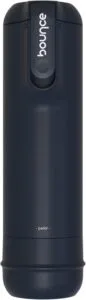
Bounce Tube Padel
The Bounce Tube Padel is the premium restoration-style option in this comparison. Its main advantage is the integrated pump, which removes the need to carry a separate pump while still allowing the user to add pressure between sessions.
It also holds four balls, making it the largest-capacity option in this shortlist. The trade-offs are a higher indicative price, greater size and more storage space compared with simple three-ball preservation tubes.
The Bounce Tube earns the premium pick because it combines restoration capability, an integrated pump and four-ball capacity in one unit.
| Specification | Bounce Tube Padel |
|---|---|
| Pressure Type | Restoration |
| Capacity | 4 balls |
| Pump | Integrated |
| Indicator | Pressure-indicator system |
| Best For | Frequent players wanting an all-in-one system |
| Indicative Price | £75-£90 |
How Long Do Padel Balls Last?
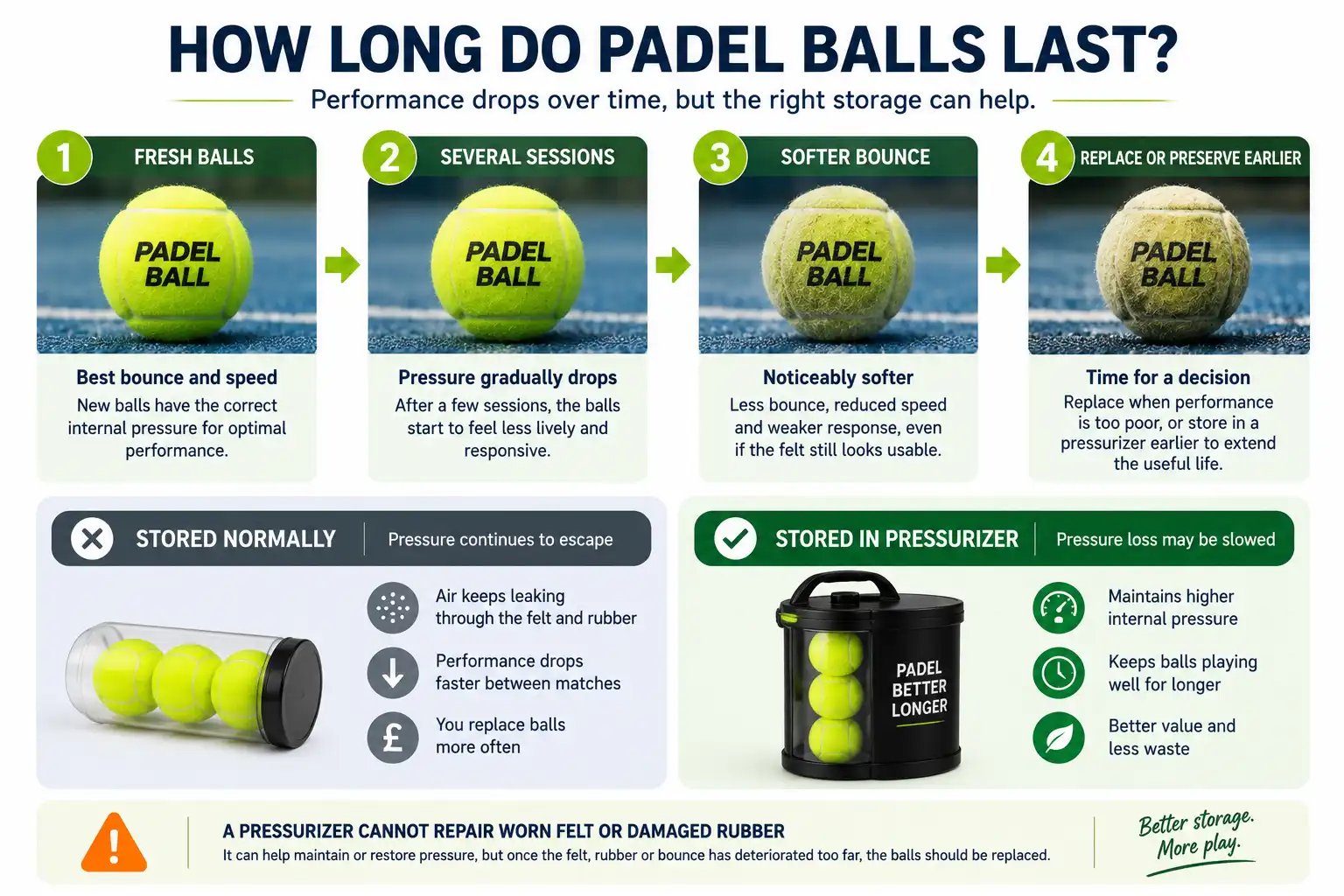
How long padel balls last depends on playing frequency, court conditions, storage, ball quality and how quickly they lose internal pressure. Many players notice a reduction in bounce before the felt looks completely worn. A pressurizer is intended to slow pressure loss between sessions, not to make damaged balls new again.
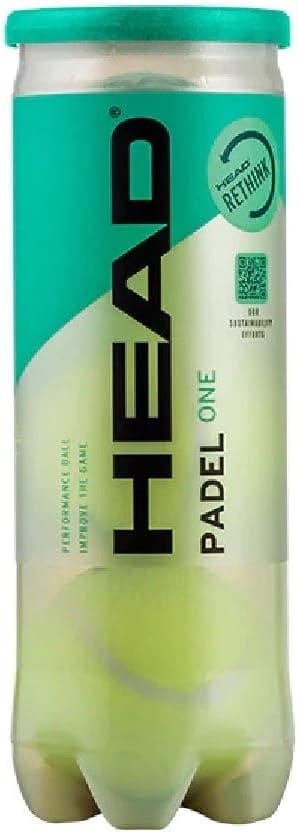
A pressurizer is most useful while the balls are still structurally sound. Once felt wear, rubber damage or inconsistent bounce becomes significant, replacement is the more appropriate option. Ball quality also matters, so compare the best padel balls in the UK if ball lifespan is a priority.
Why Padel Balls Lose Pressure
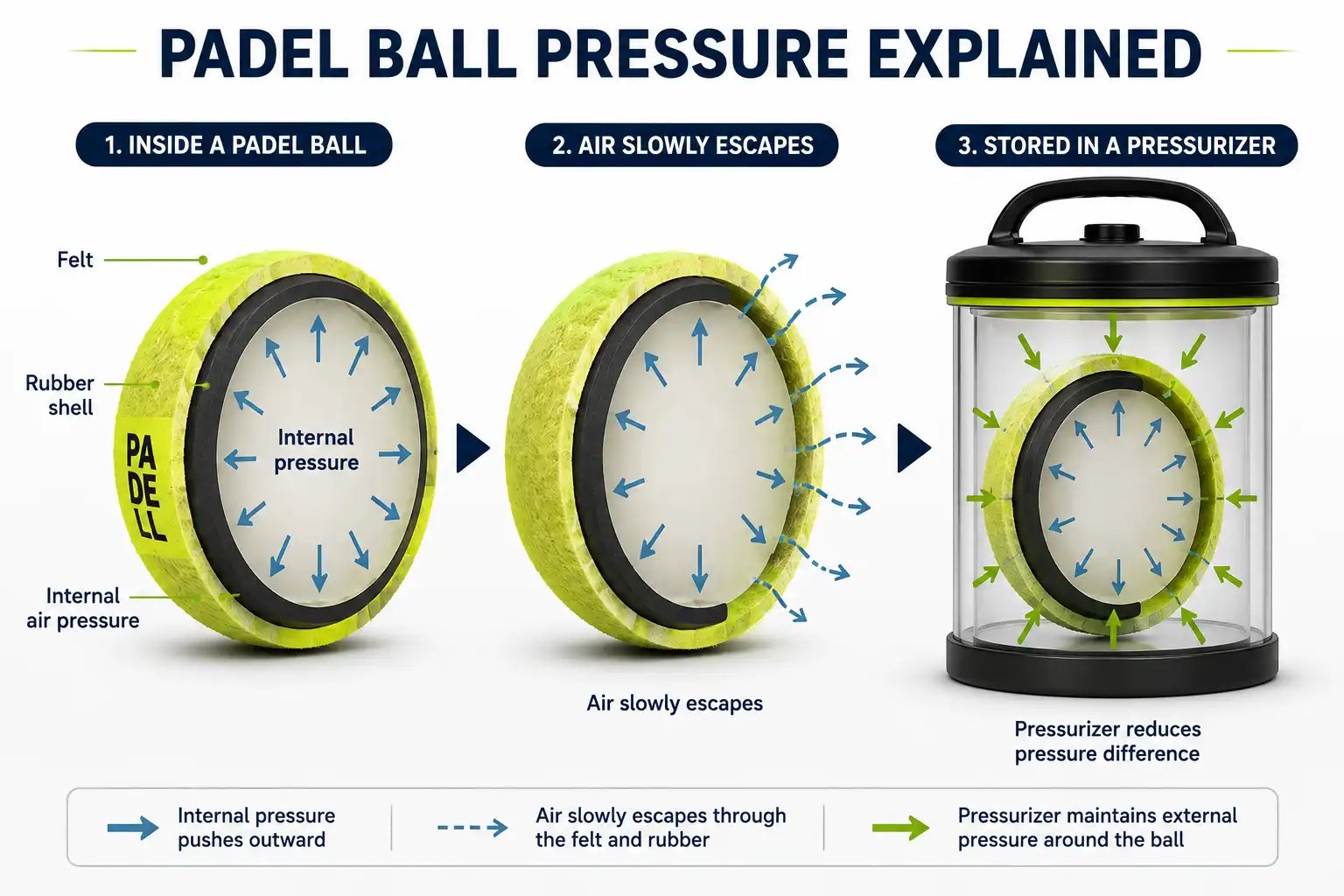
Padel balls gradually lose pressure because air can diffuse through their rubber construction over time. Once the original pressurised can is opened, the balls are no longer protected by the can’s sealed pressure environment.
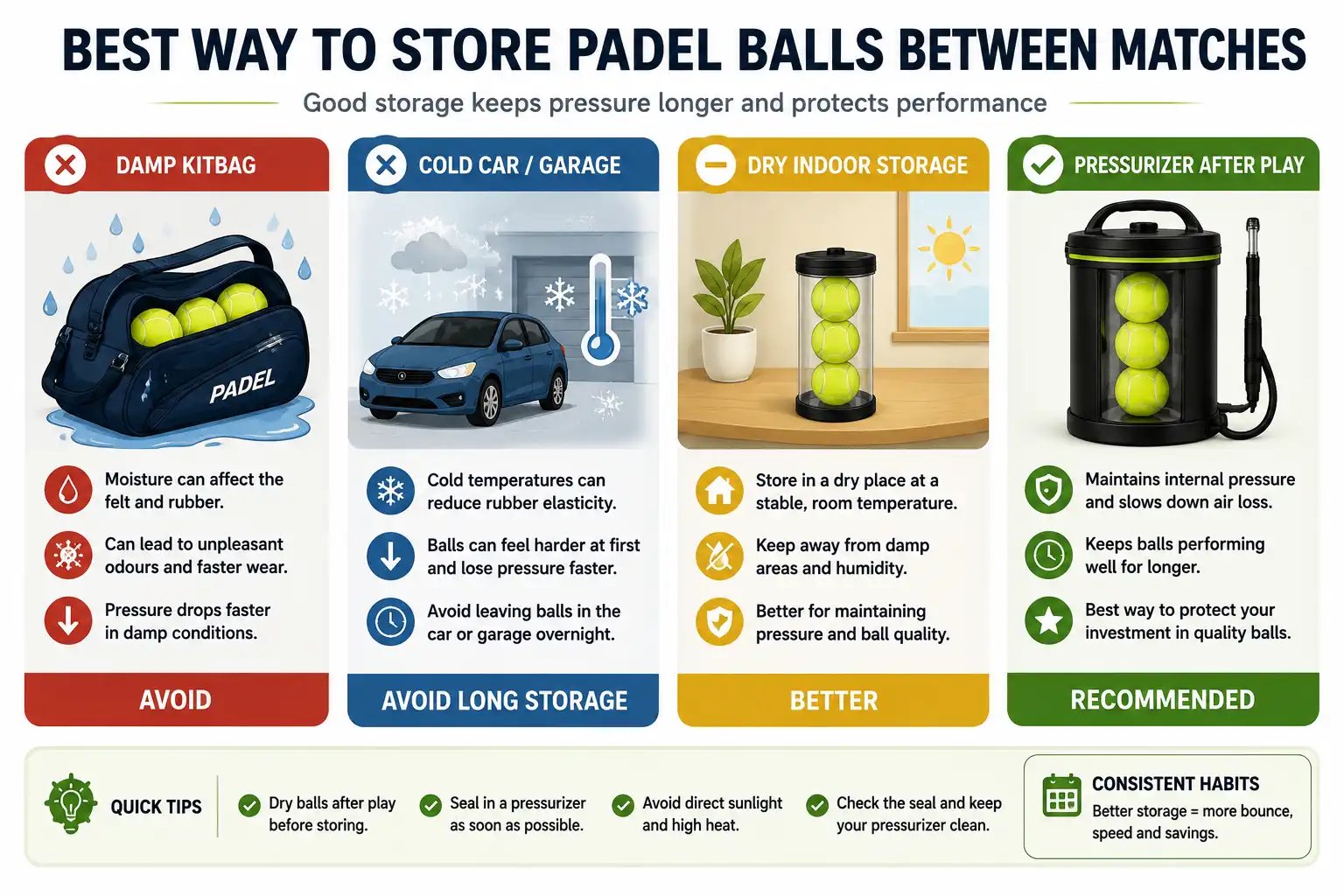
Temperature and storage conditions can also affect how a ball feels and how its rubber behaves. Cold storage in a car or garage and damp storage in a kitbag are not ideal. A pressurizer can help with pressure retention, but balls should still be stored dry and away from extreme temperatures.
How UK Storage Conditions Affect Padel Ball Pressure
UK players may leave balls in damp kitbags, cold cars or unheated garages between sessions. Those conditions can affect pressure, rubber feel and felt condition. Dry storage at a reasonably stable temperature is preferable, whether or not a pressurizer is used.
Players who carry balls, rackets and accessories between courts may also want to compare the best padel bags UK guide.
Best Practices for Using a Padel Ball Pressurizer
- Place balls back into the pressurizer soon after play rather than leaving them unsealed for long periods.
- Follow the manufacturer instructions for the exact model, including any recommended pressure level.
- Keep O-rings and sealing surfaces clean and free from felt fibres or dirt.
- Store the pressurizer and balls dry.
- Do not over-pressurise beyond the product’s specified limit.
- Replace balls once felt wear, rubber damage or inconsistent bounce becomes excessive.
Common Mistakes When Buying and Using Padel Ball Pressurizers
- Expecting a pressurizer to fully restore dead or heavily worn balls.
- Buying a restoration model without checking whether a pump is included.
- Leaving balls outside the pressurizer for long periods between sessions.
- Ignoring O-ring cleaning and seal maintenance.
- Storing damp balls or a damp pressurizer without drying them first.
- Choosing a three-ball model when four-ball capacity is regularly needed.
For the playing rules that determine when balls are in or out of play, see the UK padel rules guide.
10 FAQs: Best Padel Ball Pressurizer UK
1. What is a padel ball pressurizer and how does it work?A padel ball pressurizer is a sealed container used to reduce pressure loss between sessions. Some models create pressure through a screw or twist closure, while restoration-style systems use a pump to add pressure.
2. How long do padel balls last with a pressurizer?There is no fixed number of sessions. Ball quality, playing intensity, storage conditions and pressurizer type all affect the result. A pressurizer can extend usable life, but worn felt or damaged rubber still requires replacement.
3. Do I need a pressurizer if I mostly play on indoor UK courts?Indoor play does not prevent pressure loss between sessions. A pressurizer can still be useful during transport and storage, particularly for regular players who reuse the same balls.
4. Can a padel ball pressurizer restore already flat balls?Restoration-capable models may help add some pressure back to balls that are beginning to soften. They cannot repair severely worn felt, damaged rubber or fully dead balls.
5. Are padel ball pressurizers worth it?They are most likely to offer value for regular players who replace balls frequently. Casual players who use few balls may take longer to recover the purchase cost.
6. What pressure should be used in a padel ball pressurizer?Follow the instructions for the specific product. Pump-assisted models may have a stated target or maximum PSI, while preservation models often use a fixed mechanical closure rather than a user-selected pressure.
7. Do I need a separate pump?It depends on the model. TuboX3, the TUBOPLUS TuboBoat and Matchu Pressure Pro operate without a separate pump. Check the current TUBOPLUS 29PSI listing for pump inclusion. The Pascal Box uses a hand-pump system, while Bounce Tube Padel uses an integrated pump.
8. Can a padel ball pressurizer be used for tennis balls?TuboPlus and Matchu market compatible products for padel and tennis balls. For Bounce Tube, check the exact product version because padel- and tennis-specific models may be sold separately.
9. Where can UK players buy a padel ball pressurizer?The six products in this guide were identified through Amazon UK and manufacturer or retailer listings during the research period. Stock and price change, so verify the live listing before buying.
10. How do you repressurise padel balls?Place the balls inside a restoration-capable pressurizer and follow its manufacturer instructions for pressure and storage time. Simple screw-closure models mainly preserve existing pressure rather than actively restore it.
Final Recommendation
- Best Overall for Restoration: TUBOPLUS 29PSI X3e + Pump
- Best for Precise Pressure Control: Bullpadel Pascal Box
- Best for Beginners: TUBOPLUS TuboX3
- Best for Club Players: TUBOPLUS TuboBoat
- Best Compact: Matchu Pressure Pro
- Best Premium: Bounce Tube Padel
The best choice depends on whether the priority is simple preservation or active pressure restoration. For many recreational UK players, a no-pump model offers the easiest routine. Frequent players who are more concerned with restoring pressure may prefer a pump-assisted system.
For more UK padel equipment guides, see Best Padel Rackets UK, Best Padel Balls UK, Best Padel Shoes UK and Best Padel Bags UK.
Sources
- TuboPlus – manufacturer information for TuboPlus pressurizer models.
- Amazon UK Pascal Box listings – retailer information used to check current UK availability, versions and package contents.
- Matchu Sports – product information for Pressure Pro.
- Bounce Sports International – product information for Bounce Tube.
- Pressurebox – background on pressurizer use.
- Better Balls – background on padel ball pressure.
- padel.how – independent padel-ball guidance referenced in the original article.
- LTA – UK padel context.
Specifications, prices and availability can change. Verify current product details with the manufacturer or retailer before purchasing.